On the first London Underground train of the morning last week I saw dozens of tired people. They were the cleaners, porters, drivers, hotel staff, the cooks and the people who wake the city up. Who begin their labours when most have yet to get out of their beds.
Not one of them was white. Most were Asian and African, from all manner of countries and ethnicities, starting the day before most others. They could be described in some ways as the crème de la crème of the urban life that most of us live. Or you could just see them as the not necessarily important contributors to our society.
Read more:
Keep reading the journalism that powers our mission
Register free to continue and learn more about the stories, campaigns and the support we provide, helping people facing poverty across the UK.
So I wonder what is to happen if Reform becomes the major party and forms a government? What will they do with the immigrants they don’t want?
Will a Reform government invest in an incredible array of AI companies who can knock up automated people to do all the early morning jobs and keep the cities going? To replace those that get the cheap and dirty, and inconvenient, difficult jobs that fall to immigrants, and have done since time begun.
It will be a challenge to a Reform government; how could they be encouraging to those useful immigrants and children of immigrants so as to keep them, whilst keeping happy the anti-immigrant electorate who have put Reform in power. That would be a delicate balancing act.
Advertising helps fund Big Issue’s mission to end poverty
Or will it be only the illegal immigrants who have come in the boats? Certainly the boat arrivers have undermined the confidence of many people who would not normally think of voting for Reform, worried that no one seems to be able to stop the amounts of people coming in, the apparent ease with which it is done, however perilous it seems.
Will people be stopped in the streets and have to convince a group of people, like those in the pub my daughter witnessed, that in fact they are here legally? That doesn’t sound like a good future for anyone. A place where people are policed by the colour of their skin, or the legality of their papers.
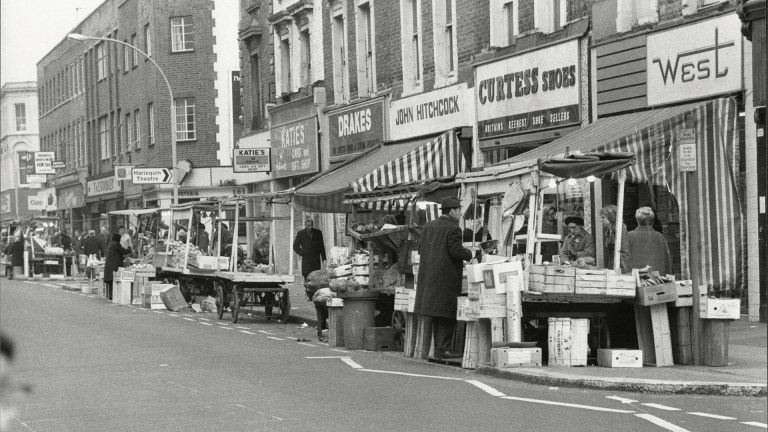
When I was a factory worker in the 1960s and ’70s you could see the gradual ethnic change taking place. The white working class were seen less and less in the big factories I worked in. If you went to one of the dirtiest and hardest factories along the Great West Road in London’s Hounslow, it was all West Indians. The factory made tyres and it was bestial to see. I only went there for a job interview but chose not to join the workforce. In other factories it was increasingly Indians, with the odd Irish person and Scot new to London. More and more it was the West Indians and people from north India who filled the factories I took jobs in.
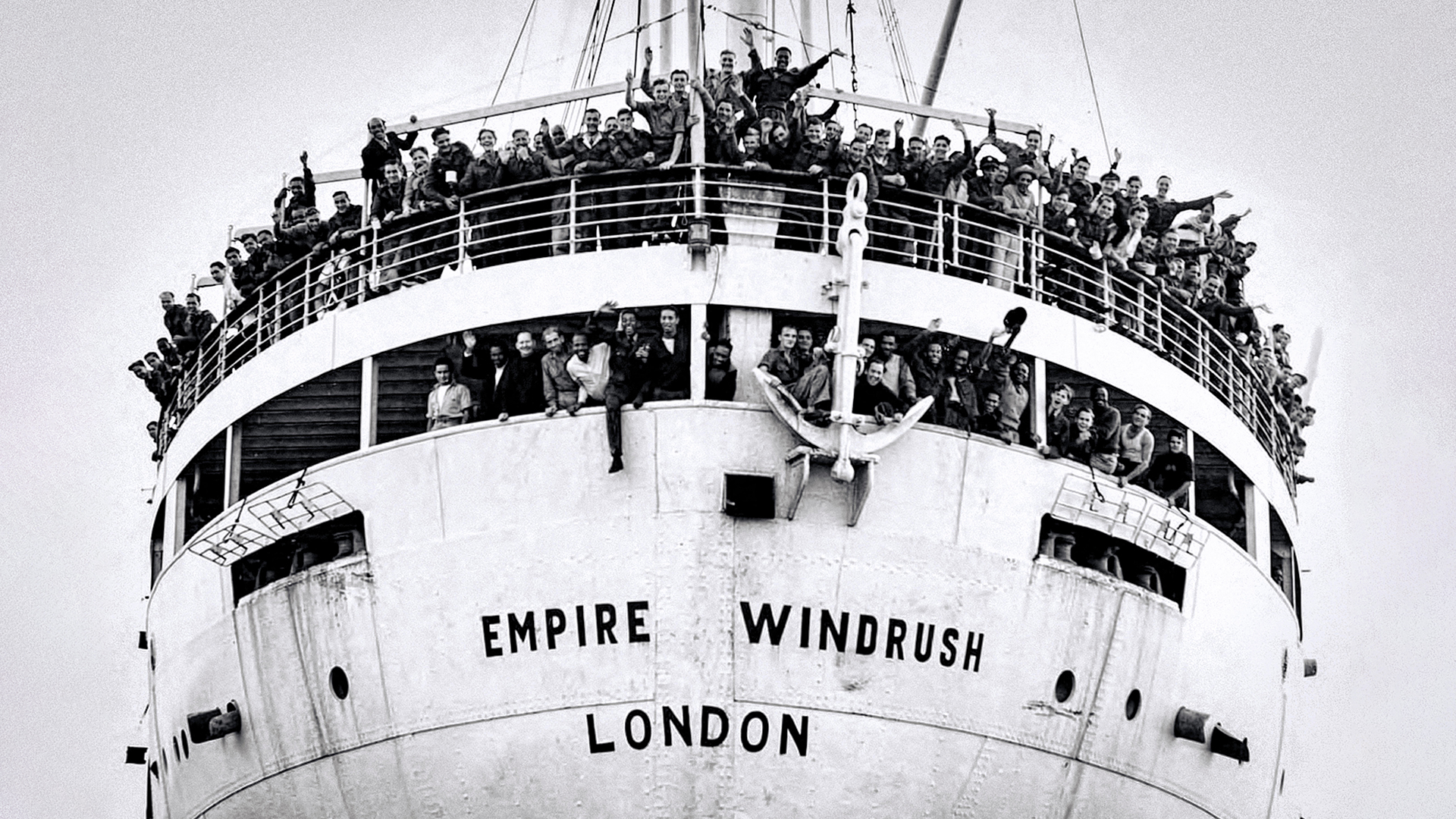
This process of immigration has gone on since the Second World War. Enoch Powell famously went to the West Indies to recruit bus drivers when he was minister of transport, and nurses and hospital porters when he was minister of health. And for no other reason than that many jobs were not attractive to the white working class.
I spoke to an irate Swiss person recently and he said to me that 25% of the Swiss population now is immigrants. I said, so there must be a lot of shit jobs the indigenous Swiss obviously don’t want to do. He looked at me and then laughed and said: “I think you are right.”
But back to the conundrum a Reform government would face. They stop the boats and make our borders secure from the impoverished of other nations. And then what? How will they get the indigenous white population out of their beds in the early hours of the morning to do the poorly paid jobs now done by immigrants? Perhaps the government’s agents could go round pubs recruiting Reform voters, perhaps even press gang them?
Advertising helps fund Big Issue’s mission to end poverty
Or perhaps instead accept that the Irish built the canals of early industrial England, and then the railways, the bridges and the underground lines. And that immigration has been an integral part of the modern UK; immigrants have been a big part of that creation of our modern life. Perhaps a bit of economic history would not go amiss, rather than ranting and breeding hatred.
Do you have a story to tell or opinions to share about this? Get in touch and tell us more.
Change a vendor’s life this winter.
Buy from your local Big Issue vendor every week – and always take the magazine. It’s how vendors earn with dignity and how we fund our work to end poverty.
You can also support online with a vendor support kit or a magazine subscription. Thank you for standing with Big Issue vendors.