Advertising helps fund Big Issue’s mission to end poverty
Opinion

If homelessness was a country, it would rival the United States. We must invest more to end it

Just 0.009% of global development funding goes on housing-related activities with a tiny fraction spent on homelessness, writes Depaul International’s Matthew Carter. That must change to prevent rising homelessness as climate change intensifies

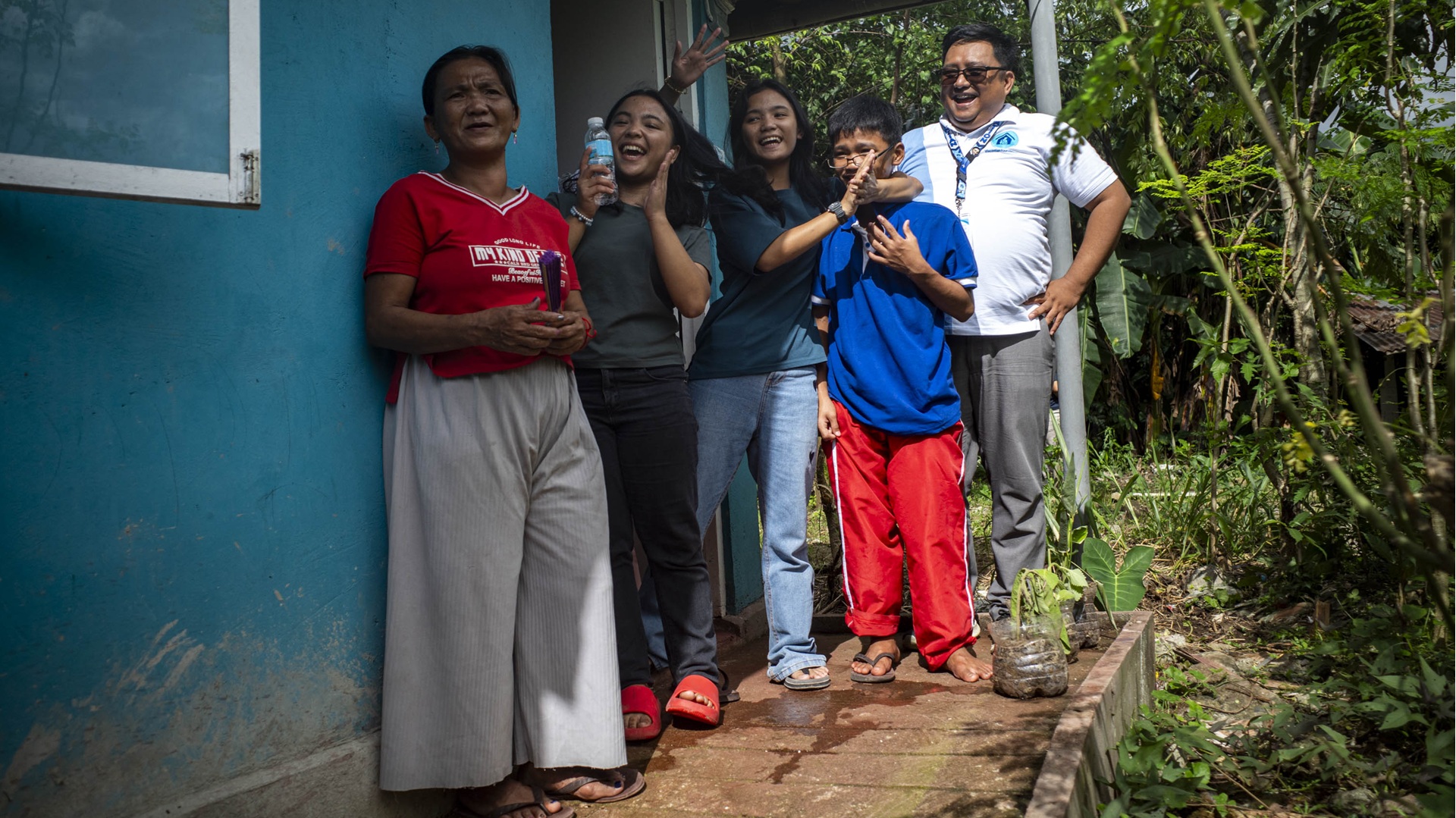
Onward Home in Manila, Phillipines

Depaul International's Onward Home housing programme in the Philippines shows what happens when funds are directed towards sustainable affordable housing. Image: Depaul International

Homelessness is a growing global problem that has a catastrophic impact on the lives of the people and communities affected by it.  

The global picture is stark. Estimates of the number of people experiencing homelessness vary, but if the global population of people thought to be living on the streets or in temporary shelter were counted as a single country, they would number in the hundreds of millions, comparable in size to the United States of America.   

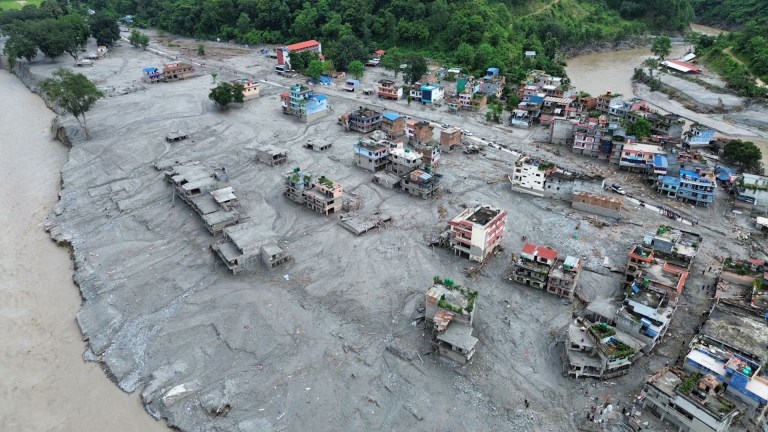
As the climate crisis intensifies, this number is at risk of growing. Already, over 20 million people are forced to leave their homes each year due to extreme weather events, including heavy rainfall, droughts and cyclones. The World Bank projects that, by 2050, climate change could drive up to 216 million internal displacements.  

Whilst on a recent trip to the Philippines, the most disaster-risk country in the world, I saw the impact of this crisis first-hand. One family I spoke with told me about heavy rains which had caused their shelter to collapse, killing their father; with nowhere else to go and no access to safe, quality housing, they had no choice but to rebuild a makeshift shelter on the same site.  

Sadly, their story is not unique. It is repeated time and again around the world, as those with the fewest resources are left most vulnerable to the impacts of climate change.

It’s something our Depaul teams around the world are seeing more often as temperatures increase. 2024 was the hottest year on record, and those sleeping on the street are more exposed to overheating due to a lack of access to shelter. 

Advertising helps fund Big Issue’s mission to end poverty

Yet, homelessness remains markedly absent from international development agendas. A report from Depaul International finds that Official Development Assistance (ODA) funding that targets housing-related activities accounts for less than 0.009% of funding, and only a tiny fraction of this specifically addresses homelessness. Analysis of OECD Development Assistance Committee (DAC) funding found that climate finance rarely addresses homelessness directly, ignoring clear evidence of the impact of the climate crisis on housing and homelessness. 

This is despite the fact that integrating homelessness into existing development agendas will deliver significant benefits across multiple sectors. Evidence shows that preventing and tackling homelessness can improve climate resilience, as well as driving progress across other pressing issues such as health and education. 

You only need to look at the experience of other global priorities, such as women’s rights and child survival, to see what becomes possible when issues are embedded across mainstream development issues.  

A global agenda to tackle homelessness could leverage innovative solutions, such as unlocking investment in climate-resilient social housing. This could reduce homelessness caused by extreme weather events and save lives. 

Read more:

Onward Home, our housing programme in the Philippines in partnership with local agency the Vincentian Foundation, shows what can be achieved when funds are directed towards sustainable, affordable housing. A proportion of the housing has been renovated using cement-bamboo frame technology developed by Base Bahay Foundation. As a result, the housing can withstand typhoons and strong winds, protecting residents from climate shocks. 

For Lhey, a resident at Onward Home, living in a home safe from the elements enabled her to secure a job. Her house also gave her son the stability he needed to return to school. Completing his education will open pathways to employment for Lhey’s son, which is vital to breaking the intergenerational cycle of poverty.  

To truly drive progress, stories like Lhey’s must be replicated around the world. If homelessness was incorporated into global development funding, the impact on homelessness would be far-reaching and transformative for those most in need.  

Doing so will ensure that nobody is left behind in the global push for progress. 

Matthew Carter OBE is group CEO at Depaul International

Do you have a story to tell or opinions to share about this? Get in touch and tell us more

Change a vendor’s life this winter.

Buy from your local Big Issue vendor every week – and always take the magazine. It’s how vendors earn with dignity and how we fund our work to end poverty.

You can also support online with a vendor support kit or a magazine subscription. Thank you for standing with Big Issue vendors.

Advertising helps fund Big Issue’s mission to end poverty

GIVE A GIFT THAT CHANGES A VENDOR'S LIFE THIS WINTER 🎁

For £36.99, help a vendor stay warm, earn an extra £520, and build a better future.
Grant, vendor

Recommended for you

View all
Holocaust Memorial Day: How communities ensure future generations don't forget lessons of the past
Jewish Museum in Berlin.
Molly Phillips

Holocaust Memorial Day: How communities ensure future generations don't forget lessons of the past

I'm turning 80. My birthday wish? Take the Big Issue when you buy
John Bird

I'm turning 80. My birthday wish? Take the Big Issue when you buy

I used to like working in advertising – but now there's a new world order
Stefan Gardner

I used to like working in advertising – but now there's a new world order

Time on your hands can cause stress – but I'm learning to lean into it
Sam Delaney

Time on your hands can cause stress – but I'm learning to lean into it