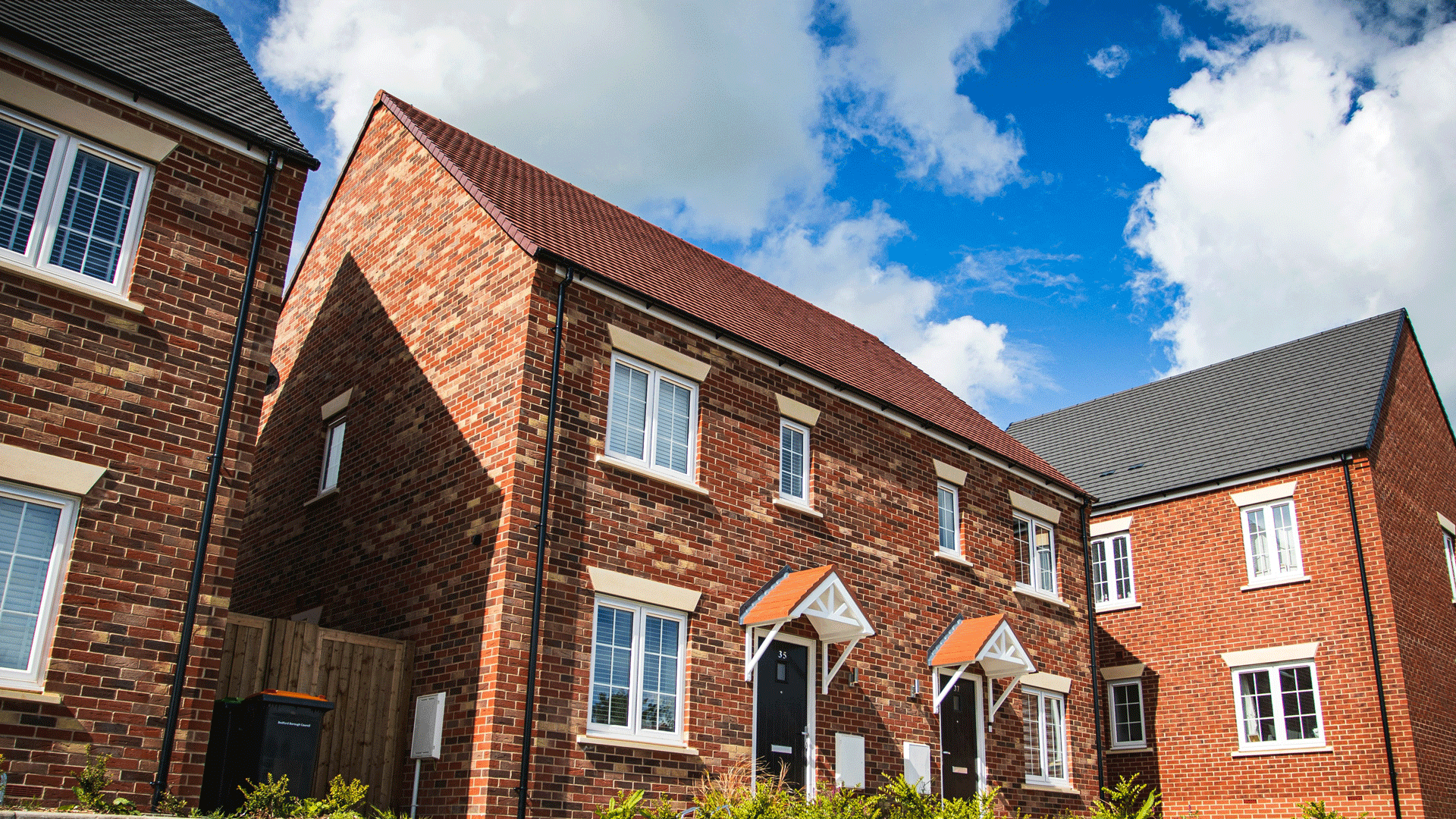
It’s become clearer and clearer that Britain in the early 21st century faces a housing emergency. In response, a housing drive is required on something akin to an emergency basis, and one that covers all bases. We need more council housing and more build-to-rent – and more construction for owner-occupation. We need everything.
New Labour just didn’t build nearly fast enough, and that stored up a whole load of trouble for the future. Those hard times are measured not in numbers but in children growing up in mould-infested flats and B&Bs or crushed in with their grandparents; young people who can’t afford to buy a shoebox; a new surge in sleeping on the streets.
Read more:
Keep reading the journalism that powers our mission
Register free to continue and learn more about the stories, campaigns and the support we provide, helping people facing poverty across the UK.
But in the 1990s and early 2000s ministers didn’t know, couldn’t know, how much the population would surge by the 2020s and 2030s. They were trying also to push economic growth and opportunity out from the overheated and crowded South-East of England too, and had some high hopes of doing so that often weren’t met in practice.
The economy of London and its surrounds started to boom uncontrollably instead, a new phenomenon alien to those of us who grew up thinking of a London in decline. The same financialisation that filled the Treasury’s coffers brought buyers aplenty into the London housing market, eventually crowding out anyone ordinary enough, young enough or without rich parents across the whole region. That wasn’t quite expected either.
Can we learn anything from the Tony Blair years? Undoubtedly we can. The first important lesson is that housing is key to everything: moving to get a job; the ambition to have children and give them a good start in life; people’s sense of place; saving and ‘getting on’. Without fixing the housing market, and that means building just as much as we can for as long as we can, any ambitions the Starmer government retains on those fronts will be frustrated.
Advertising helps fund Big Issue’s mission to end poverty
A second insight is that Britain has for far too long talked about ownership and management, not either building enough dwellings for everyone or getting different sectors to work together. We’ve been stuck arguing about ‘social housing’, ‘renters’ and ‘buying’ since probably the late 1960s – to no-one’s particular benefit, and to the profit of class prejudice and snobbery. That should have been a New Labour discovery, but their focus on owner-occupation and replacing councils with housing associations blurred their vision. What we need now is building of all sorts, all the time.
Third and last, we need to expect the unexpected. The birth rate rose at the turn of the century, and immigration went up, making even the increase in housebuilding New Labour managed inadequate. The economy surged ahead, especially in London, making housing a great investment rather than somewhere to live. Together those factors meant that New Labour raced and raced to meet demand, but was always somehow falling short.
So: housing is at the root of poverty and wealth, advantage and disadvantage; we should stop talking about who owns things, and start a conversation about who needs things; and last of all we must give up the idea that we can look in any sort of crystal ball.
If this government’s motto really is ‘build, baby, build’ that will give it a margin of safety on all those fronts: but they also have to look further ahead than just this housing crisis. That will mean good design, as well as rapid building.
All in all, New Labour tried hard to do all that, but two or three steps forward were often matched by one or two steps back. We cannot afford yet another era of mixed messages and patchy progress.
Glen O’Hara is professor of modern and contemporary history at Oxford Brookes University.
Advertising helps fund Big Issue’s mission to end poverty
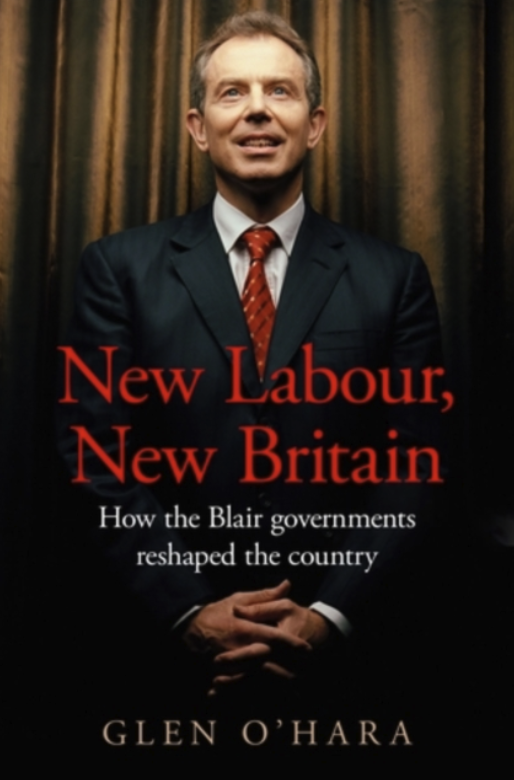
His new book, New Labour, New Britain? How the Blair Governments Transformed the Country, is out on 10 February (Manchester University Press, £20. You can buy it from the Big Issue shop on bookshop.org, which helps to support Big Issue and independent bookshops.
Do you have a story to tell or opinions to share about this? Get in touch and tell us more.
Change a vendor’s life this winter.
Buy from your local Big Issue vendor every week – and always take the magazine. It’s how vendors earn with dignity and how we fund our work to end poverty.
You can also support online with a vendor support kit or a magazine subscription. Thank you for standing with Big Issue vendors.