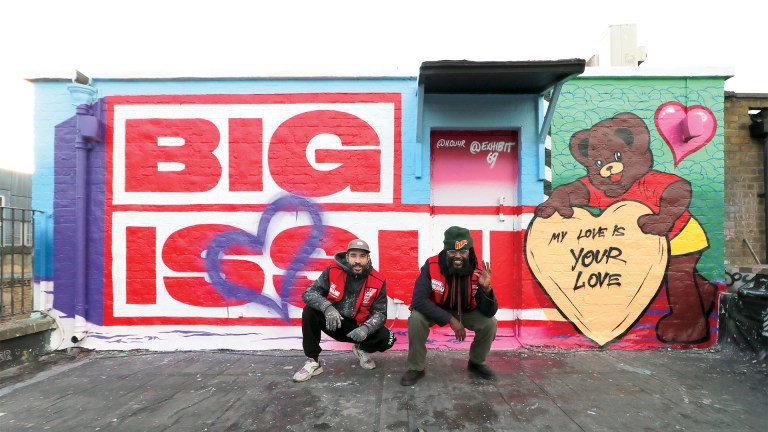
This is a privilege that not everyone has, which is one of the reasons for working with Big Issue, as I believe everyone should have access to shelter and to opportunities. If you have the ability to take risks, you have a responsibility to use it.
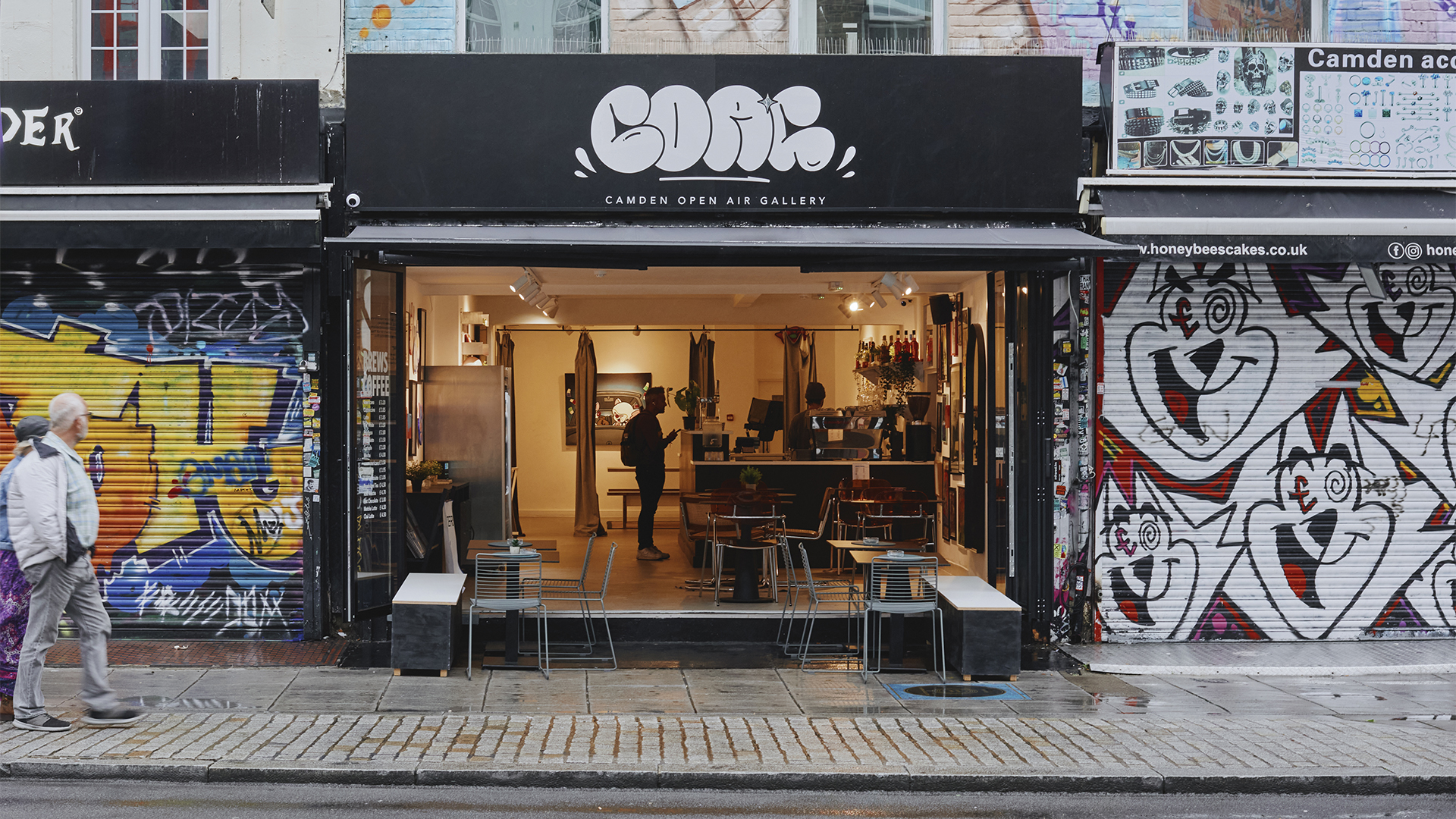
Many younger people feel the system has not worked for them. Many older people built wealth during one of the greatest periods of expansion in modern history. Those are different lived experiences. If we do not acknowledge that, we talk past each other. I didn’t realise it at the time, but part of starting COAG was about proving that if you build something real, culturally credible and rooted in place, people will show up. The demand has not disappeared. The system has simply made it harder for most people to take the risk.
Read more:
What are the problems Camden faces?
Large parts of Camden High Street now feel hollowed out. Repetitive retail. Low-quality tourist offerings. A street trading on its past while carrying some of the highest fixed costs in London.
Over the past two years, small businesses have absorbed relentless cost increases. Energy, insurance, rent, National Insurance and business rates have all risen in quick succession. At the same time, real incomes have fallen. Consumers are under pressure. Margins have been stripped back to the point where there is little left to reinvest.
Advertising helps fund Big Issue’s mission to end poverty
There is a clear disconnect between how the high street is discussed and what is happening on the ground. The consequences are already visible. Closures. Slower investment. Rising unemployment.
What is being asked of independents is not sustainable. They are expected to absorb higher costs and disruption while competing with global operators built on entirely different economics.
But Camden is also an opportunity. When a street is saturated with low-value retail, it creates space for those willing to invest in quality and identity. Offer something credible and different, and there is both cultural and commercial upside.
When the independents disappear, Camden loses more than shops. It loses its ecosystem. Camden needs to be re-recognised for its community and culture – and that’s why this campaign needs to happen.
What’s your aim with the 50 Years of Punk campaign?
My mission goes beyond nostalgia. This is about building community and a force for change. Punk emerged under economic pressure. It was collective energy when institutions were not delivering. That tension feels familiar. Costs are rising, streets are homogenising, and the system rewards scale while making independence harder to sustain.
Advertising helps fund Big Issue’s mission to end poverty
The only real leverage Camden still has is profile. That can be used passively, or it can be used strategically. It can raise energy and investment, but it can also create space to question priorities.
I see this campaign bringing traders, artists, venues and residents together around shared responsibility.
We cannot change national policy overnight. But we can coordinate locally. We can strengthen the ecosystem. We can use our profiles intelligently.
Fifty years ago, punk responded to economic pressure with culture. Camden can do the same. Not through sentimentality, but action.
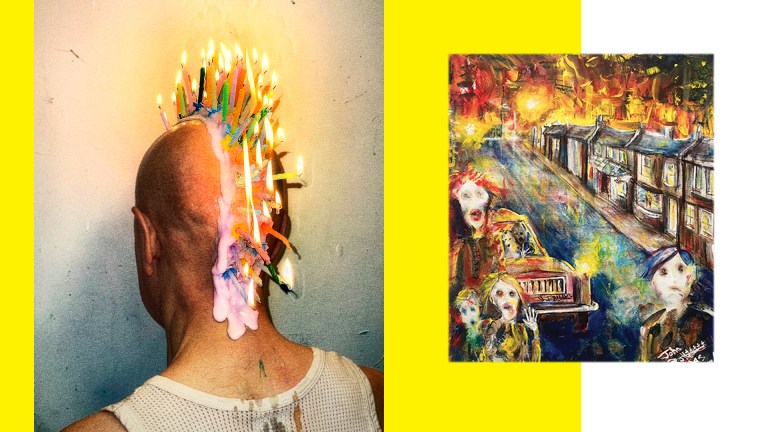
The Art of Anarchy: 50 Years of Punk in association with the Big Issue runs at Camden Open Air Gallery 13-29 March
Do you have a story to tell or opinions to share about this? Get in touch and tell us more.
Advertising helps fund Big Issue’s mission to end poverty
Change a vendor’s life this winter.
Buy from your local Big Issue vendor every week – and always take the magazine. It’s how vendors earn with dignity and how we fund our work to end poverty.
You can also support online with a vendor support kit or a magazine subscription. Thank you for standing with Big Issue vendors.