Advertising helps fund Big Issue’s mission to end poverty
News

First-ever child loneliness stats reveal that one-in-10 feel lonely

The ONS data also reveals that inner-city kids and those on free school meals suffer more

Youth homelessness

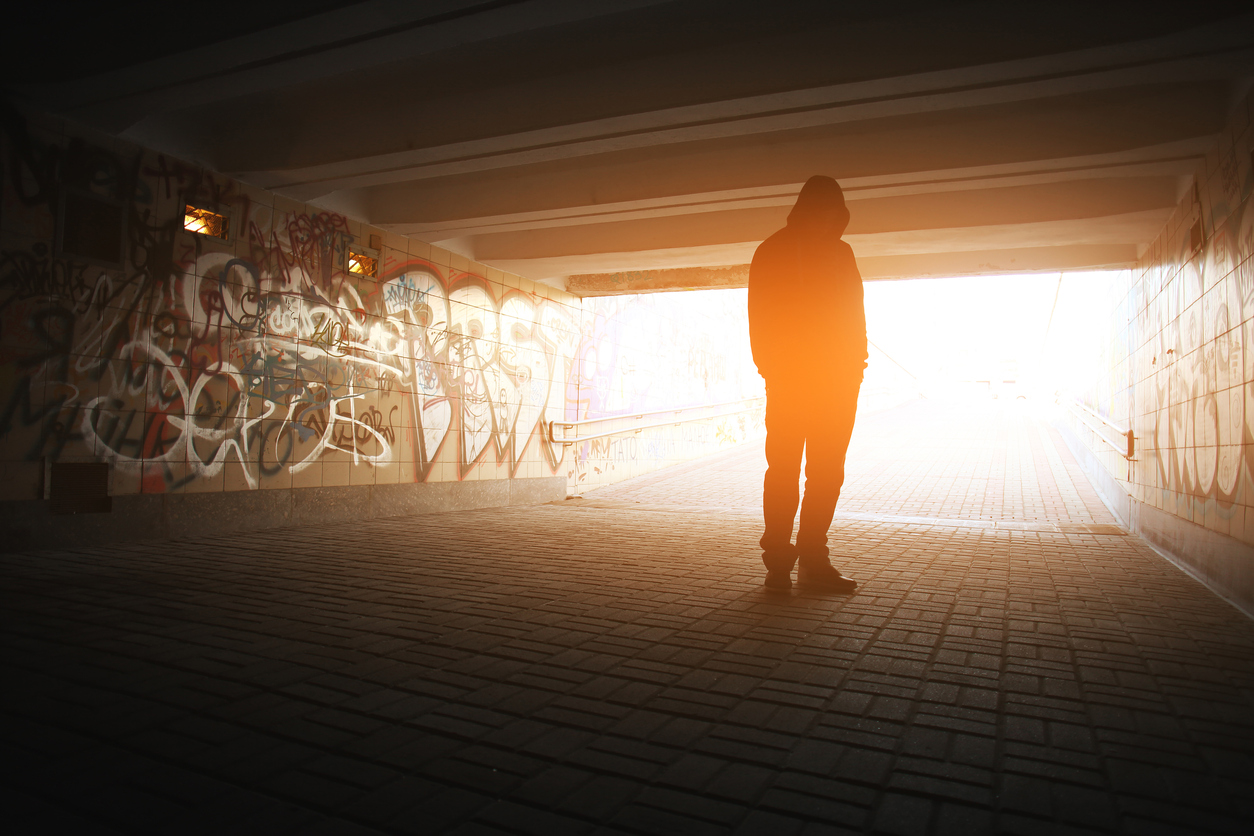
More than one-in-ten children have reported suffering loneliness in the Office of National Statistics’ first-ever report into child loneliness.

A total of 11.3 per cent of children surveyed reported that they were often lonely with the feeling most prevalent for kids aged between 10 and 12.

The statistics also uncovered a link between loneliness and kids who eat free school meals – that was the case for more than 25 per cent of kids receiving dinners, while just five per cent of kids without reported feeling lonely.

There was a similar disparity between the proportion of inner-city kids who struggled with loneliness compared to those growing up in rural areas. Just five per cent of countryside kids feeling lonely, while city life left almost 20 per cent of kids feeling that way.

Statisticians also uncovered correlation between poor health and family relationships and feelings of loneliness.

Advertising helps fund Big Issue’s mission to end poverty

“We’ve looked at how often children and young people feel lonely and why. An important factor is going through transitional life stages such as the move from primary to secondary school and, later, leaving school or higher education and adapting to early adult life,” said Dawn Snape, assistant director, sustainability and inequalities division, Office for National Statistics. “This work supports the government’s loneliness strategy, announced by the Prime Minister in October 2018.”

The figures will be an eye-opener for new Minister for Loneliness Mims Davies, who took up the post a month ago following the resignation of Tracey Crouch in a row over fixed-odds betting machines.

She is responsible for implementing the government’s loneliness strategy, which includes enlisting the help of GPs and postmen to identify and refer lonely people to the support they need.

But Sam Royston, director of policy and research at The Children’s Society, which was involved in the ONS research, has led the calls for more support for children in secondary school.

“Now that the heartbreaking scale of loneliness among children has been laid bare, it’s time for action to put more support in place and understand the underlying issues,” he said.

“Loneliness can be something that passes and we see many children who use our services move through these difficult periods. However, for some children, loneliness can lead to mental health issues and mean they struggle alone to cope with other challenges in their lives. In the most serious cases it can leave them more susceptible to grooming by sexual predators or criminal gangs.”

Advertising helps fund Big Issue’s mission to end poverty

HELP VENDORS KEEP WORKING THROUGH THE COLD

For £36.99, help a vendor stay warm, earn an extra £520, and build a better future.
Grant, vendor

Recommended for you

View all
Youth unemployment at its highest point for a decade: 'It's like running into a brick wall'
Unemployed University of Leeds graduate Charlie.
Social Justice

Youth unemployment at its highest point for a decade: 'It's like running into a brick wall'

Families face a bitter fight for SEND support in the UK: 'It nearly killed us emotionally and financially'
Big Issue has spoken to a number of families with children with SEND who have struggled to navigate the system.
SEND

Families face a bitter fight for SEND support in the UK: 'It nearly killed us emotionally and financially'

Challenging the stigma of social housing
A row of newly built brick homes in a social housing development, with parked cars in front and a town and green hillside visible in the background.
Advertorial

Challenging the stigma of social housing

Big Issue's 100 Changemakers of 2026: Environment and climate
Changemakers 2026

Big Issue's 100 Changemakers of 2026: Environment and climate