Advertising helps fund Big Issue’s mission to end poverty
News

Big Issue eBikes: We need your help

Vandalism is putting the scheme at risk.

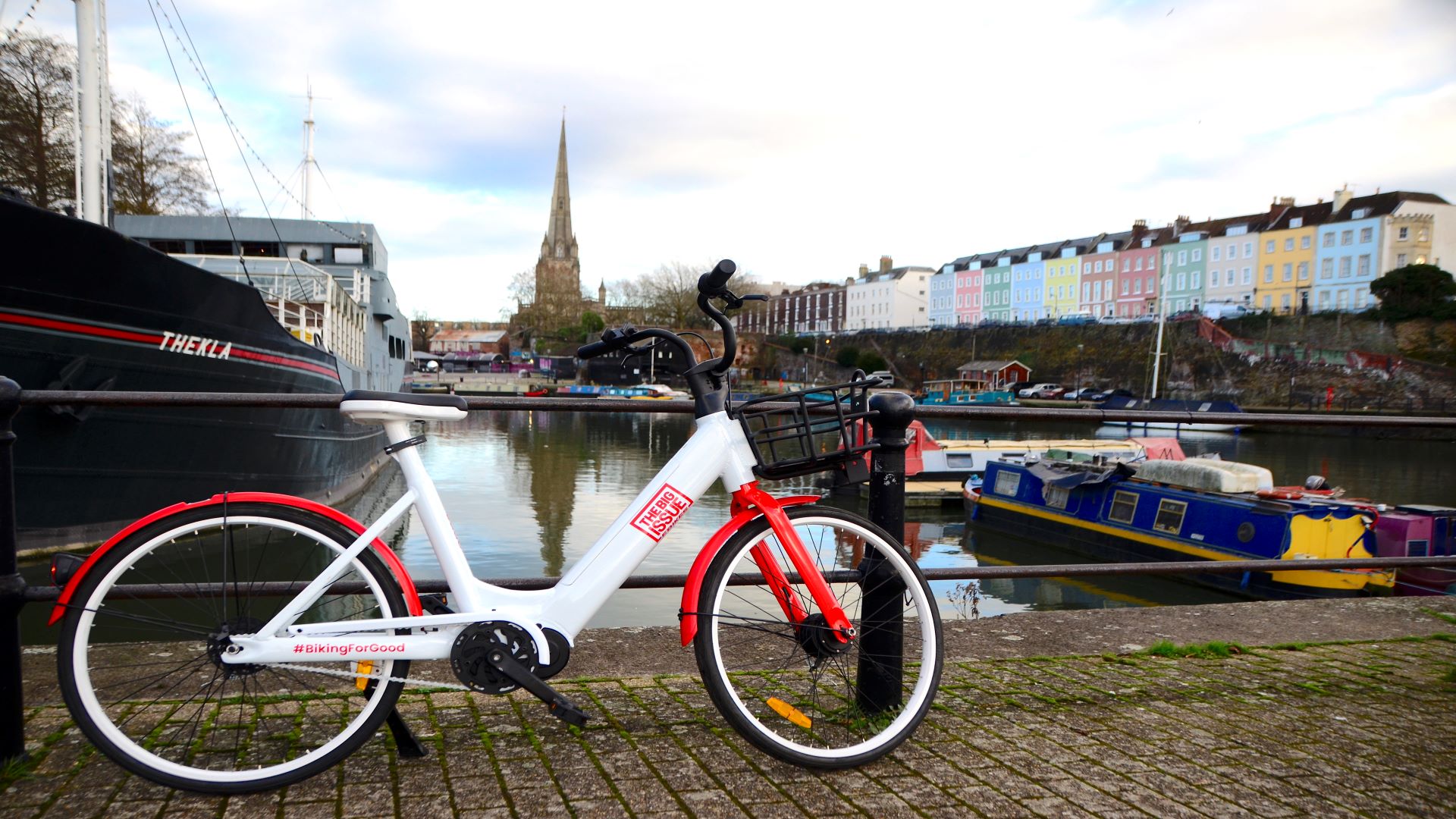
One of the first Big Issue ebikes, by the canal in Bristol

One of the first Big Issue ebikes, by the canal in Bristol. Image Credit: Big Issue eBikes

The Big Issue eBikes have been on the road since February, helping people in Bristol get around in a healthy and environmentally friendly way – but now we need to ask for help.

Bristol was the first British city to be named European Green Capital, and the uptake for the eBikes has shown this spirit lives on. The fleet of bikes are projected to prevent around 1,900 car journeys every day.

The eBikes, available 24/7, all have different names, and those supporting them are also helping create opportunities for marginalised people. The eBikes scheme recruits previously unemployed people, trains them up, and gets them back into work to keep things running smoothly.

But vandalism is putting the scheme at risk. It’s not believed to be from people taking part in the scheme  – but it’s a serious problem.

We need your support to ensure the bikes are available for a long time to come.

Less than a month after its launch, vandalism forced the scheme to reduce access in southern parts of the city. A previous bike hire scheme, YoBikes, was forced to pull out of Bristol after high levels of vandalism.

Advertising helps fund Big Issue’s mission to end poverty

Baskets are being ripped off and bikes are being stolen to cycle home – only for thieves to find they’re hard to pedal without electric assistance and giving up. Discarded eBikes have been lost along the Avon river, and from Southmead in the North to Hartcliffe in the South.

To tackle this, the zones for the bikes have recently changed. Those riding out of the city centre must now leave their bikes in smaller, specific “gathering points” on the outskirts of the city.

These changes, intended to make the eBikes safer and more available, will be shown in the Big Issue eBike app. Riders can also email zones@bigissue.bike to suggest improvements to zones.

Keep reading the journalism that powers our mission

Register free to continue and learn more about the stories, campaigns and the support we provide, helping people facing poverty across the UK.

But other changes are also afoot – inspired by high demand, the bikes will also be available with a longer subscription plan for regular users who want to cycle longer distances.

Jan Tore Endresen, CEO of Sharebike, the Big Issue’s partner in the eBikes scheme, said: “It’s really a shame that a few people can ruin something that has such a potential to benefit many.

“I would think it is in the interest of the council and the community to introduce a long term plan to tackle vandalism for Bristol to flourish.”

Got some wisdom to share? Want to get involved and help? Email editorial@bigissue.com

Advertising helps fund Big Issue’s mission to end poverty

Do you know how Big Issue 'really' works?

Watch this simple explanation.

Recommended for you

View all
Big Issue has always been bad at promoting itself. Andy Burnham can teach us a lesson
ohn Bird and Andy Burnham visit Independence Initiative
John Bird

Big Issue has always been bad at promoting itself. Andy Burnham can teach us a lesson

DWP rule change means people in temporary accommodation no longer lose money for working
a person working at a desk
Social Justice

DWP rule change means people in temporary accommodation no longer lose money for working

Ending rough sleeping isn't just about money – it takes everyone pulling together
Andy Burnham, pictured in a media interview at No 10, has promised to end rough sleeping
Letters

Ending rough sleeping isn't just about money – it takes everyone pulling together

How the Big Grow is strengthening communities and building resilience through growing food
Tatiana Hardy tends her school garden as part of the Big Grow project
Food

How the Big Grow is strengthening communities and building resilience through growing food