While rough sleeping remains lower than its 2017 peak of 4,751 people, the number of households living in temporary accommodation is increasing, with 112,660 households as of May 2024.
“It’s disappointing to see only vague references to homelessness in this manifesto. We would have liked to have seen targeted pledges to end the homelessness crisis. Even key, popular commitments such as scrapping the Vagrancy Act and raising the Local Housing Allowance in line with inflation haven’t been considered,” said Sian Aldridge, Interim CEO of Welsh homelessness and rough sleeping charity The Wallich.
The manifesto does not appear to commit the party to any new spending on ending homelessness. However, policies such as youth hubs, 8,500 additional mental health staff, and an end to Section 21 evictions target the causes of homelessness.
Keep reading the journalism that powers our mission
Register free to continue and learn more about the stories, campaigns and the support we provide, helping people facing poverty across the UK.
Aldridge added: “We do agree with the principles which Labour has highlighted in Manchester, which demonstrates a joined-up approach between health, probation and housing. We see this as beneficial to preventing the revolving door of homelessness.
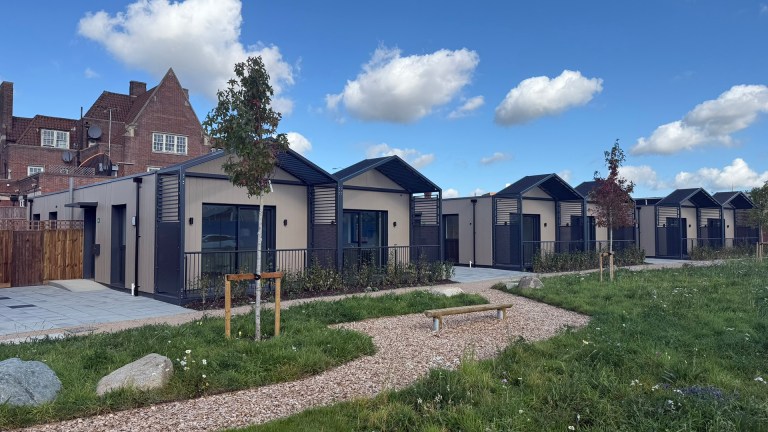
In pledging to work with mayors and councils across the country, Labour – if elected – will look to build on work including in London, where mayor Sadiq Khan has committed £10m in extra funding towards ending rough sleeping, and in Manchester, where Andy Burnham’s A Bed Every Night scheme and three-year Housing First project are part of efforts to get people off the streets.
In 2019, Jeremy Corbyn’s manifesto promised to end rough sleeping within five years, and make 8,000 extra homes additional for those with a history of rough sleeping. In 1997, Tony Blair promised a new duty on local authorities to help those living homeless. He gave no firm targets – but within two years had pledged to cut rough sleeping by two-thirds.
“We have one plea for the next government, include young people and their specific needs from the outset,” said Phil Kerry, chief executive of the New Horizon youth charity. Youth homelessness costs the economy £8.5bn a year, added Alicia Walker, head of policy, campaigns and research at Centrepoint.
Kerry explained: “Youth homelessness is a different experience with different solutions. We need young people to be treated as an equal stakeholder in this new unit, with representatives and dedicated resources. You can’t meaningfully end youth homelessness in the UK without youth homelessness being a priority.”
Do you have a story to tell or opinions to share about this? Get in touch and tell us more. Big Issue exists to give homeless and marginalised people the opportunity to earn an income. To support our work buy a copy of the magazine or get the app from the App Store or Google Play.