Advertising helps fund Big Issue’s mission to end poverty
Housing

Supreme Court ruling supports the homeless and vulnerable

Supreme Court judgement strengthens the housing rights of vulnerable homeless people

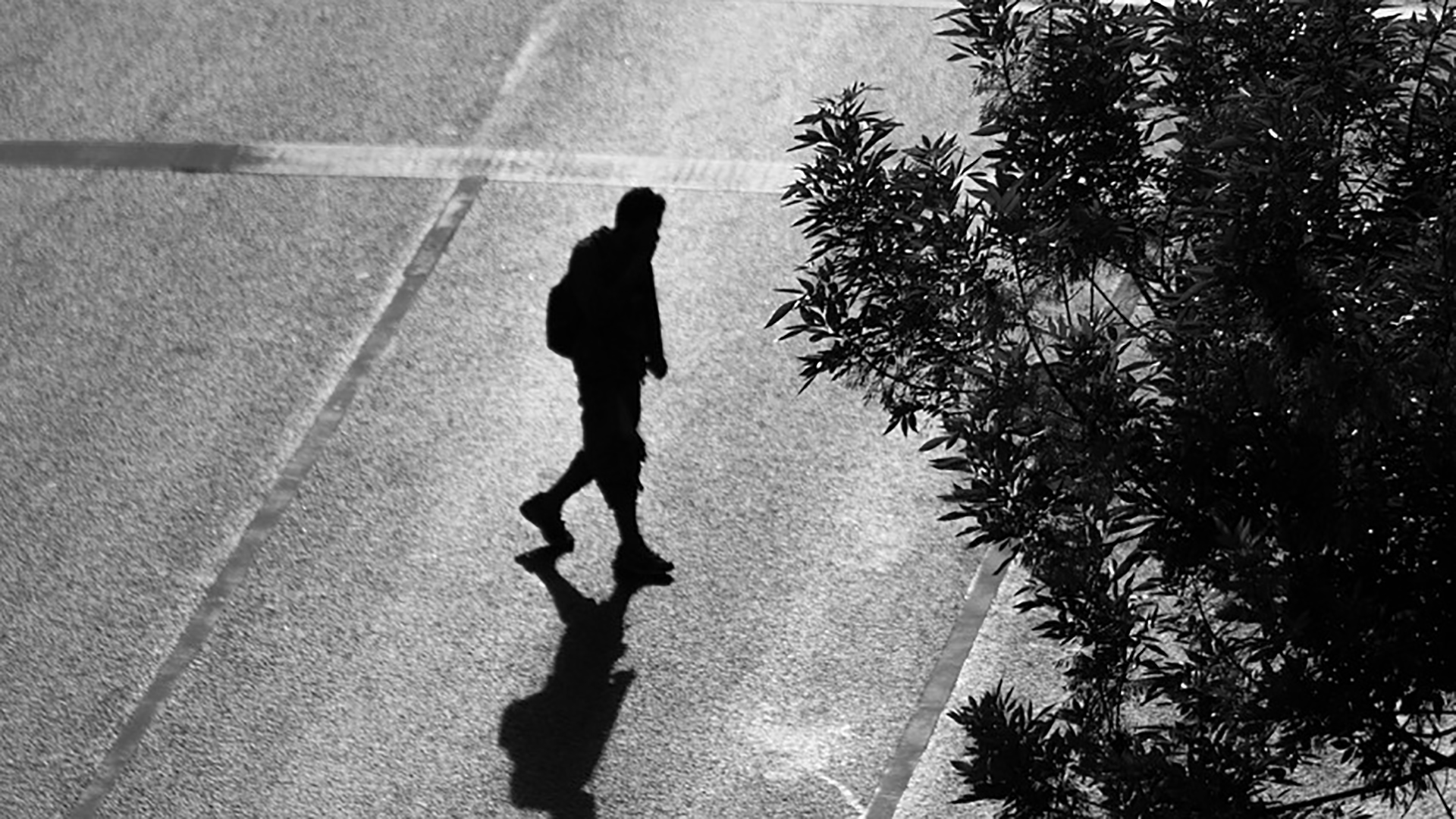
Homeless person on street

Today the Supreme Court announced its decision on the most important case on homelessness in decades, laying down clear guidance for assessing who is vulnerable and in priority need.

This is of critical importance for homeless people, particularly those with disabilities who do not have children. In recent times, single homeless people have been refused housing and left to fend for themselves, as cash-strapped councils have turned away people with disabilities on the basis that they are not a priority because they are able to cope or at least cope as well as an ‘ordinary homeless person’.

This will make it much clearer who should be assisted

The case involved three appeals against Southwark and Solihull Councils, including one from Patrick Kanu, a man with hepatitis B, hypertension and psychotic symptoms whom Southwark Council had deemed not in priority need of housing because he was cared for by his wife.

Housing Act

Under the Housing Act 1996 a homeless person without children is considered to be in priority need for accommodation if they are “vulnerable as a result of old age, mental illness or handicap or physical disability or other special reason”.

The Court of Appeal had previously ruled in favour of Southwark and Solihull Councils, saying that a person was deemed to be vulnerable and in priority need only if they would suffer more than an “ordinary street homeless person”.

However, the case was then taken to the Supreme Court, which allowed Patrick Kanu’s appeal against Southwark Council’s decision, finding that his suffering should not have been compared with a street homeless person, but rather an ordinary person who stood to lose his accommodation.


Advertising helps fund Big Issue’s mission to end poverty

Stuart Hearne of Cambridge House who represented Patrick Kanu said:

“This will make it much clearer who should be assisted. In the past Local Authorities were having to compare homeless applicants with other homeless people to consider who is more vulnerable, which led to disputes and some very disabled people being refused accommodation.

I hope that the Supreme Court ruling will be welcomed by Local Authorities

“This decision should now mean that the vast majority of homeless people who have a physical disability or have mental ill health should be accepted as being in priority need for accommodation. I hope that the Supreme Court ruling will be welcomed by Local Authorities.”

Advertising helps fund Big Issue’s mission to end poverty

GIVE A GIFT THAT CHANGES A VENDOR'S LIFE THIS CHRISTMAS 🎁

For £36.99, help a vendor stay warm, earn an extra £520, and build a better future.
Grant, vendor

Recommended for you

View all
Labour's Planning and Infrastructure Act is now law. Here are five things it looks to change
housing secretary Steve Reed in hi-vis
Housing

Labour's Planning and Infrastructure Act is now law. Here are five things it looks to change

Building Safety Regulator delays leaving leaseholders in limbo: 'It's stressful and upsetting'
a builder carrying wooden planks
Housebuilding

Building Safety Regulator delays leaving leaseholders in limbo: 'It's stressful and upsetting'

Rents in UK are at record highs. Will they keep going up?
rents uk
Renting

Rents in UK are at record highs. Will they keep going up?

More than 100,000 children will spend Christmas homeless in London: ‘It’s heart-breaking’
London skyline
Housing

More than 100,000 children will spend Christmas homeless in London: ‘It’s heart-breaking’