Advertising helps fund Big Issue’s mission to end poverty
Social Justice

Not having a bank account costs an extra £485 every year

More than 1.2 million Brits do not have a bank account and a new report insists they are forking out more as a poverty premium

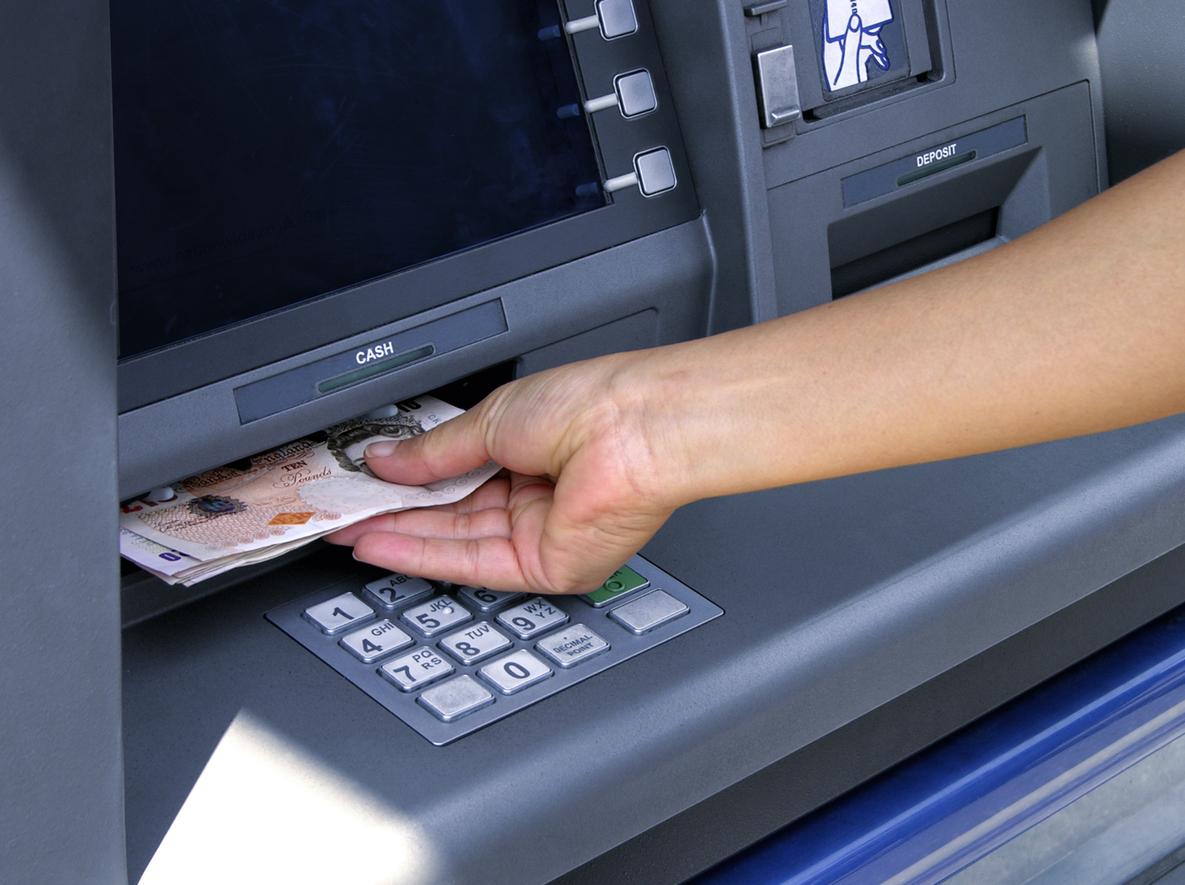
Brits who don’t have a bank account are paying out a poverty premium of £485 every year for everyday bills.

A new study by challenger bank Pockit has broken down the average investment each of the 1.2 million people who don’t use banks pay annually, missing out on discounts that other customers receive by using direct debit.

This is the reality for anybody who is financially excluded because they are homeless and therefore have no fixed address to apply for a back account, or have a poor credit history so are unable to access mainstream credit and turn to unscrupulous high-cost lenders instead.

In that case, they will pay £1,028 on electricity and gas, which is £199 more than if they used direct debits, and it is £68 for mobile data, working out at an addition £26.

As for broadband, £246 is £38 more than they would pay with access to a bank account while interest payments on annual loan of £300 are £261 compared to just £39 if you do have an account, according to Pockit.
Advertising helps fund Big Issue’s mission to end poverty

That makes a grand total of £485 – something which is unacceptable to Pockit founder and CEO Virraj Jatania.

“Having access to a bank account won’t solve everybody’s problems overnight,” he said. “But, helping people overcome this Banking Poverty Premium is an important first step. This is about finding new ways for people to be members of what is an increasingly cashless society.”

The poverty premium is at the heart of The Big Issue’s attempts to bring financial inclusion to our vendors as well as renters in the UK.

The Creditworthiness Assessment Bill that Big Issue founder Lord John Bird is currently bringing through the House of Commons has been designed to tackle the poverty premium by ensuring that renters can build up a credit file for keeping up with rent payments.

This is crucial when it comes to accessing mainstream credit and ensuring that they do not have to fork out the additional £485 a year as a poverty premium or turn to other credit providers.

As Lord Bird puts it: “Unless we can get lenders to take tenants’ rent payments into account in their decisions, many millions of people will continue to get worse deals for loans, insurance, utilities and mobiles than those with a mortgage.

“And as most people who live in rented accommodation tend to be low paid and less advantaged by their place in the social pecking order, this unfairness is a further indictment of Britain’s lopsided, excluding economy.”

We are also running a trial with iZettle to give vendors card readers, allowing them to offer card payments to buy the magazine and ensuring that they can keep pace with an increasingly cashless society.

Advertising helps fund Big Issue’s mission to end poverty

Do you know how Big Issue 'really' works?

Watch this simple explanation.

Recommended for you

View all
There has been a 60% rise in Big Issue vendors aged 18 to 24 since 2022: 'I wanted to be a lawyer'
22-year-old Big Issue vendor Paula Langa. Image: Exposure Photo Agency
Young people

There has been a 60% rise in Big Issue vendors aged 18 to 24 since 2022: 'I wanted to be a lawyer'

Do settled migrants really get 'immediate access' to social housing?
social housing

Do settled migrants really get 'immediate access' to social housing?

Energy bills to rise as millions struggle with cost of living: 'People are already rationing'
a gas meter
Cost of living

Energy bills to rise as millions struggle with cost of living: 'People are already rationing'

Government launches new AI chatbot – but there are fears 'people in need might be excluded'
Woman with baby on computer
Digital inclusion

Government launches new AI chatbot – but there are fears 'people in need might be excluded'