Advertising helps fund Big Issue’s mission to end poverty
News

State schools losing out on music tuition as public school music lessons rise

State school music tuition faces a 21 per cent decrease while private schools receive more musical opportunities, BPI survey finds

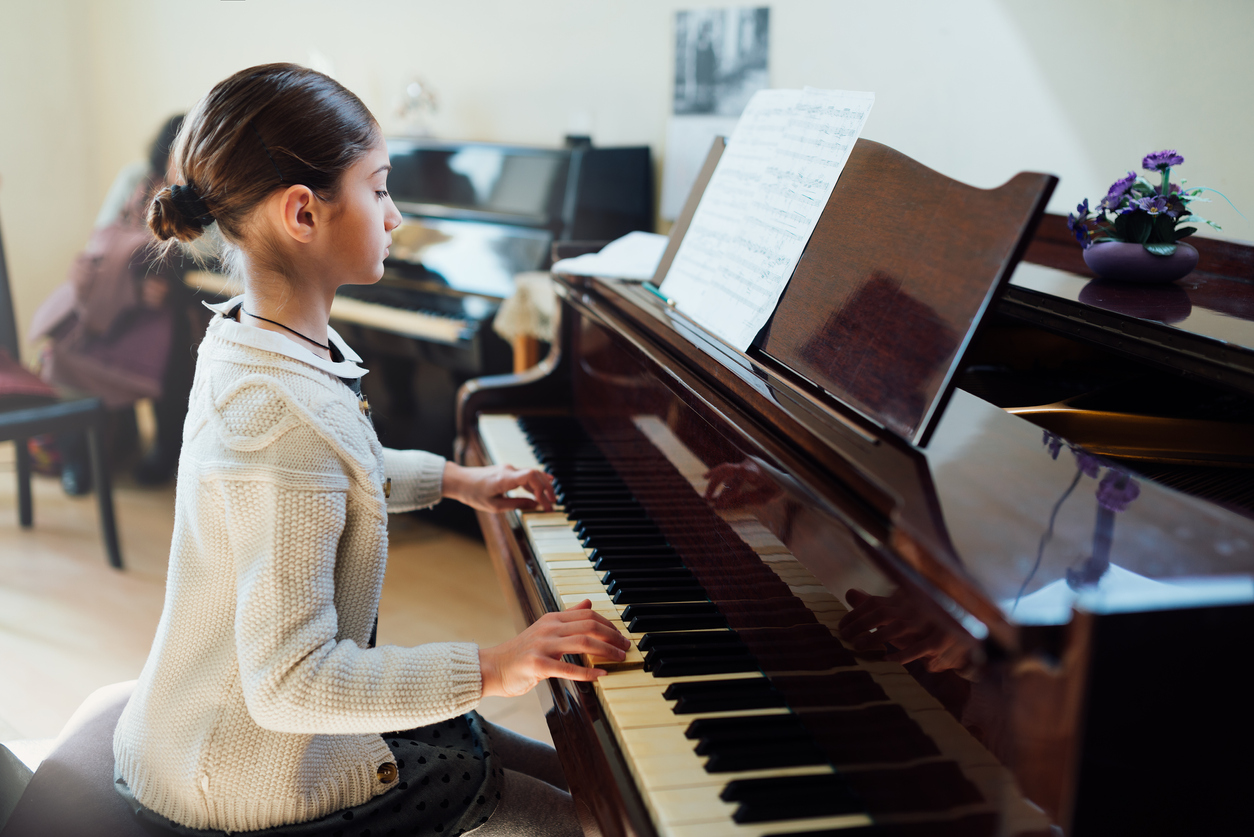
good student plays the piano at a music school

A new survey by UK record labels association has exposed the mounting disparity between independent and state school music tuition, with private schools attaining a 7 per cent rise in music provision.

The survey looked at 2200 music teachers across Britain to uncover the findings, which also showed 1 in 4 schools in disadvantaged communities offer no instrument tuition whatsoever to kids who want it; and almost 40 per cent of state schools have no compulsory music lessons for 13-14-year-olds. Only 12 per cent of deprived state schools have orchestral groups compared to 85 per cent of private schools.

Recent cuts for local services in England are to result in 36 per cent less funding for 2019-20; which will directly affect music education in state schools. The unjust differences between state and private school education further questions why these cuts should disadvantage deprived children.

“These BPI findings make us profoundly concerned that music education and tuition in state schools is beginning to lag far behind that in the independent sector,” said Geoff Taylor, chief executive at BPI.

“This inequality is not just deeply unfair to children in the state sector, it risks depriving our culture of future talents as diverse as Adele, Stormzy and Sheku Kanneh-Mason.”

Findings from UCL back in November 2018 showed that British private schools are up to three times wealthier than state schools; and resources for private schools have trebled since the 1980s.
Advertising helps fund Big Issue’s mission to end poverty

Annual fees for private boarding schools such as Eton, Harrow and Winchester exceed £40,000 and fee-paying day schools cost on average £13,026 a year; meaning private education is predominantly a luxury of the rich.

The Musicians Union reported recently that kids in higher income families were often receiving full price, private instrument lessons but children from low-income backgrounds were mostly learning instruments in school or teaching themselves.

Private music lessons are well beyond the budgets of many low-income families, with more than 40 per cent telling the MU they simply could not afford tuition – music education at school is for many the only opportunity to learn an instrument.

Keep reading the journalism that powers our mission

Register free to continue and learn more about the stories, campaigns and the support we provide, helping people facing poverty across the UK.

The BPI has challenged the Government “to inject additional funding for musical instrument tuition in state schools and to recognise music as a core component of a child’s education”.  

Image: iStock

Words: Anna Whealing

Advertising helps fund Big Issue’s mission to end poverty

Do you know how Big Issue 'really' works?

Watch this simple explanation.

Recommended for you

View all
Will chancellor John Healey unfreeze local housing allowance at the autumn budget?
a housing estate in Luton pictured from the air
local housing allowance

Will chancellor John Healey unfreeze local housing allowance at the autumn budget?

Women can't be left out in the cold if we are to end rough sleeping
A woman walking down the street
Ella Tritton

Women can't be left out in the cold if we are to end rough sleeping

How a British man was pulled into modern slavery working at a food court in the heart of London
An illystration of people walking in a line to illustrate modern slavery
Modern slavery

How a British man was pulled into modern slavery working at a food court in the heart of London

Are you paying enough council tax? How Londoners could be underpaying property taxes by £3.1bn
London's skyline
Housing

Are you paying enough council tax? How Londoners could be underpaying property taxes by £3.1bn