Advertising helps fund Big Issue’s mission to end poverty
News

UK has 400,000 problem gamblers, report finds

One in every eight young men in the UK has experienced difficulty with gambling in the past year, study says

Problem gambling is now widely recognised as a clinical addiction, a pursuit that can lead to poverty and ruins lives.

And a new report by the Gambling Commission has revealed the full extent of damaging habits, estimating that the UK now has 400,000 problem gamblers.

The report’s authors found 0.8% of the population could be classified as having a “problem” gambling habit – an issue now worrying common among young men. One in every 50 British men between the ages of 16 to 34 was identified as having a gambling addiction.

A larger group – 3.9% of the adult population – were deemed “at-risk” gamblers, either addicted to gambling or in danger of developing a problematic habit.

Astonishingly, one in every eight men between 16 and 34 has “experienced some difficulty with gambling in the past year.”

Gambling continues to cause harm to a significant number of people in Great Britain

Tim Miller, the Gambling Commission executive director, said the report showed the commission faced a “significant challenge” in meeting its commitment to make gambling safer.


Advertising helps fund Big Issue’s mission to end poverty

“The pace of change to date simply hasn’t been fast enough – more needs to be done to address problem gambling,” Miller said.

Sir Chris Kelly, chairman of the Responsible Gambling Strategy Board, said: “These new findings show that gambling continues to cause harm to a significant number of people in Great Britain.”

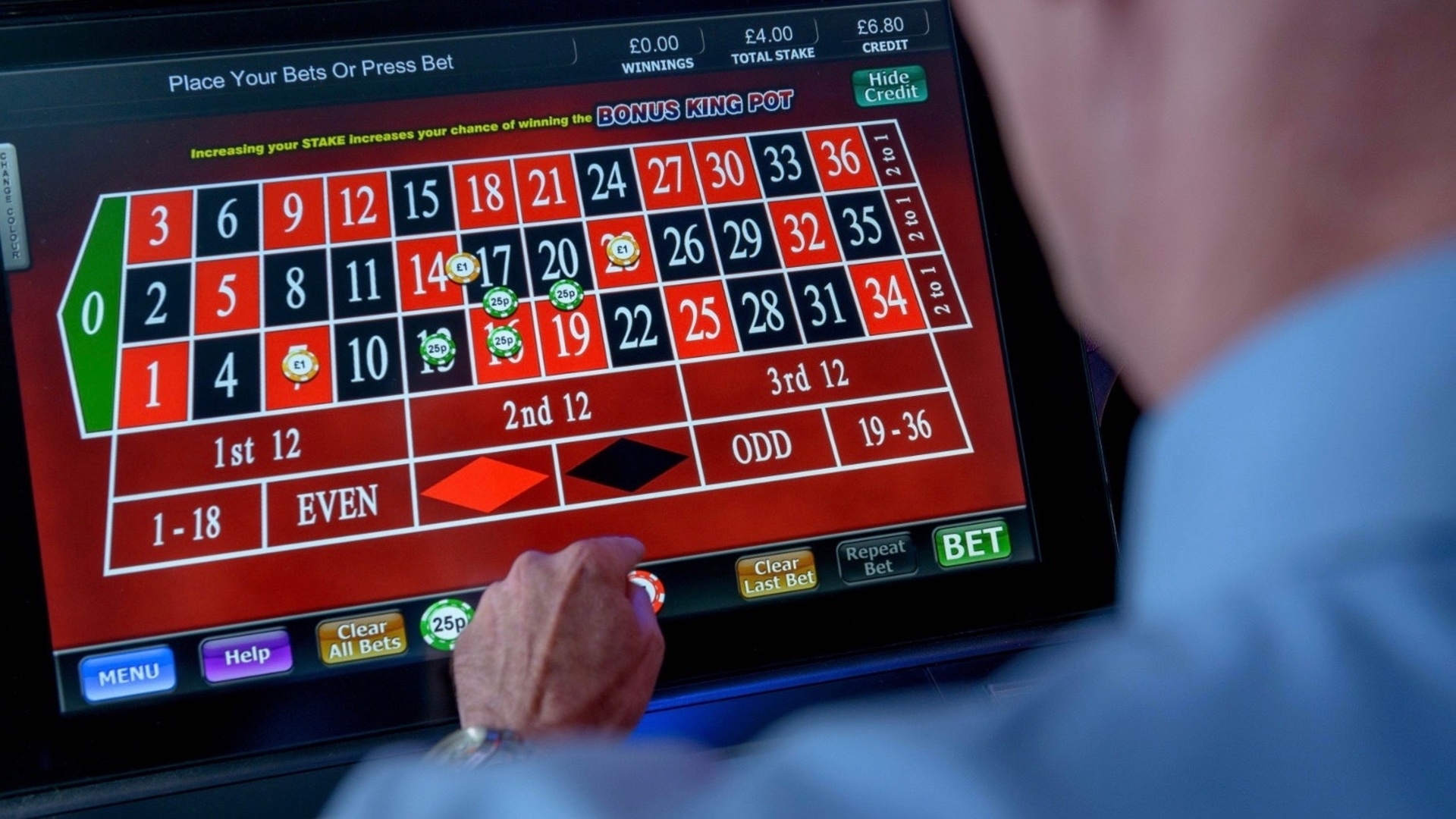
Online gambling and Fixed Odds Betting Terminals (FOBTs) were among the forms of gambling used by problem gamblers.

The Big Issue has previously investigated the problems associated with the FOBTs. Players are currently able to bet up to £100 per spin on the machines, allowing people to pile up losses incredibly quickly.

The Labour party and campaign groups have called for the maximum stake on the digital gaming machines to £2 per spin.

There is no economic argument for those machines at all

FOBTs have been shown to disproportionally impact on the poorest communities in the UK. Earlier this year the Bafta-winning screenwriter Jimmy McGovern condemned the spread of the machines in high street bookmakers as “immoral.”

“There is no economic argument for those machines at all,” he told The Big Issue. “They are immoral. They should not be on our high streets. The rate of suicide would also go down if you banned them. It would help hundreds of people, maybe thousands.”

Introducing RORA Jobs and Training

Whether you’re in work, currently unemployed, or worried about your future job security, Big Issue RORA Jobs & Training is here to help. Search our latest jobs, register for alerts, browse training courses and find your next role today.  

Find out more
Advertising helps fund Big Issue’s mission to end poverty

GIVE A GIFT THAT CHANGES A VENDOR'S LIFE THIS CHRISTMAS 🎁

For £36.99, help a vendor stay warm, earn an extra £520, and build a better future.
Grant, vendor

Recommended for you

View all
Inside the chocolate factory spreading sweet treats – and helping autistic people find work
Employment

Inside the chocolate factory spreading sweet treats – and helping autistic people find work

Nicola Sturgeon: 'Scotland will definitely be independent much sooner than it feels right now'
Letter to my Younger Self

Nicola Sturgeon: 'Scotland will definitely be independent much sooner than it feels right now'

'We try and make it magical': How this Big Issue-backed grotto is spreading Christmas cheer
A santa with children dressed in Christmas costumes
Big Issue Invest

'We try and make it magical': How this Big Issue-backed grotto is spreading Christmas cheer

Labour's immigration changes could cost £11bn due to 'significant loss' for UK workforce
Immigration

Labour's immigration changes could cost £11bn due to 'significant loss' for UK workforce