Advertising helps fund Big Issue’s mission to end poverty
News

The UK's top 1% do not feel wealthy

LSE study finds inequality among the 1% - a big gap dividing high earners and the truly super rich

When do rich people feel rich? Not when earning “only” £140,000 a year, apparently.

A new study by London School of Economics researchers on the top 1% of UK earners has found a big wealth gap between high earners and the truly super-rich – the top 0.1%.

The report details the resentment and outright envy felt by many high earners acutely aware of a gulf separating them from multi-millionaires. One investment banker complained that earning a few hundred thousand a year “just doesn’t feel particularly wealthy” when others in the City have millions of pounds in bonuses and assets.

And if you feel like playing the world’s tiniest violin, LSE researcher Dr Katharina Hecht said the divide is actually more than perceptual. She states that there is “vast absolute income inequality” within the 1%.

Earning more than £140,000 before tax would put you in the UK’s top 1%. But the top 0.1% are earning an average income of £990,000.

They are surrounded by vast absolute income inequality

The difference is not something many of us would understand or perceive when, say, walking the streets of south Kensington. But it is felt.


Advertising helps fund Big Issue’s mission to end poverty

“While recognising their advantage compared to the general population, they experience disadvantage when “looking up”,” said Dr Hecht.

“(They) are surrounded by vast absolute income inequality, because the differences between top income earners are much higher than those between individuals situated in the middle of the distribution.”

If you were beginning to empathize, ever-so-slightly, with the forgotten 0.9%, it’s worth reading the thoughts of some of the LSE’s interviewees.

Keep reading the journalism that powers our mission

Register free to continue and learn more about the stories, campaigns and the support we provide, helping people facing poverty across the UK.

Three people on The Sunday Times Rich List were among the 30 people questioned for the study. And one hedge fund manager compared the power of his labour to former England captain Wayne Rooney.

“If you’re someone like Wayne Rooney, you can go to Manchester United and say “pay me £200,000 a week or I’m gonna go to somewhere else” and Man Utd just say “yeah fine” because he’s got unique pricing power,” he said.

“If you are a successful hedge fund manager, if you make money for your clients, you also have unique pricing power because of the fees that we receive.”

If “looking up” detains the thoughts of the country’s high-earners, poverty and wider social inequality does not seem to trouble most of them.

Around two-thirds of people surveyed by LSE disagreed with the statement that “the government should reduce income differences.”

Advertising helps fund Big Issue’s mission to end poverty

There’s more than one way to make a difference

Big Issue vendors need you more than ever this Christmas.

Recommended for you

View all
TikTok is cutting human moderators in favour of AI. Fired workers are fighting back 
Image of a hand holding a phone
Technology

TikTok is cutting human moderators in favour of AI. Fired workers are fighting back 

Sophie Morgan: 'We need to be able to make this country inclusive for everybody'
Sophie Morgan, writer, broadcaster and disability advocate.
PM For The PM

Sophie Morgan: 'We need to be able to make this country inclusive for everybody'

The Renters' Rights Act made it illegal to reject tenants on benefits. But it's still happening
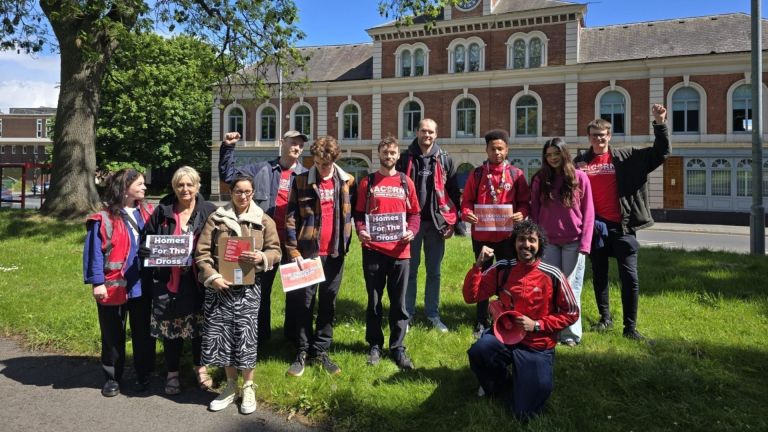
Members of ACORN Leeds community union protesting discrimination against tenants in receipt of welfare benefits
Renting

The Renters' Rights Act made it illegal to reject tenants on benefits. But it's still happening

A bit of Beethoven can ensure we’re not deaf to the dangers of falling into poverty 
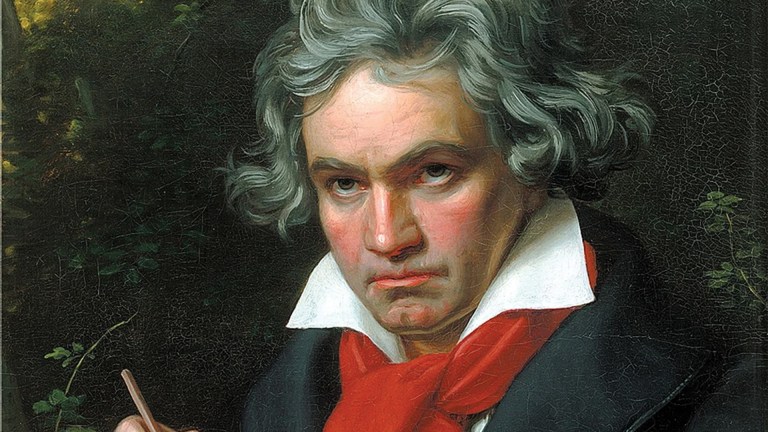
An 1820 portrait of Beethoven by Joseph Karl Stieler
John Bird

A bit of Beethoven can ensure we’re not deaf to the dangers of falling into poverty