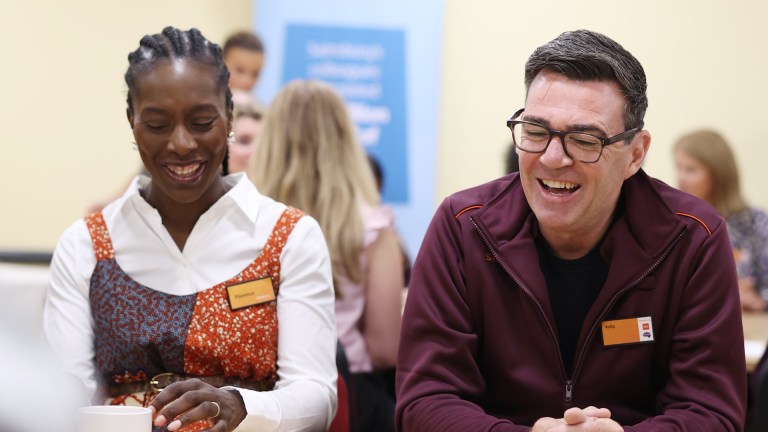
Her friend Erin, also 18 and also studying engineering, was told: “You can’t just be a pretty face, you’ve got to get on with your work.” Some people might dismiss their experiences as “banter” or a joke, but it’s more than that. For a while, these young women haven’t always felt able to directly challenge sexism, and comments such as these. Perhaps that’s as concerning as the attitudes themselves, which is why it’s important they both spoke up.
Equally striking were the accounts of some of the male students at the college.
Harry (16) and Alex (17) are both acting students. It can’t be easy to speak live on national radio on such a sensitive and controversial topic, but they were straight-talking and bold. They summed up how many young men are feeling right now.
Continue reading for free
Registration is free and takes less than 30 seconds.
Our supporters make Big Issue’s work possible. Join us to see the impact we’re having together and discover more ways to help people facing poverty access income, opportunity and support.
Alex said he felt that boys are depicted as rough, sexist and controversial: “Boys get judged for their clothes, when they’re wearing hoodies and tracksuits.”
When I asked Harry what he thinks a “typical lad” his age is like, his first response was to say “kind”. I was expecting him to say “sporty” or “funny”, but the fact he pointed out his kindness shows how misrepresented teenage boys feel in 2024.
So what can be done? Poppy and her team at Newcastle College have been proactive and trying to get to the heart of the conversation around this. Whatever the students see on social media, they need to be aware of too. It’s not easy when social media is constantly evolving.
Advertising helps fund Big Issue’s mission to end poverty
Mel, the student support manager at the college, wants to see a culture shift. If female students are concerned and uncomfortable, she wants them to be able to say so.
She wants the boys to know that actions have consequences, and that misogyny and sexism is never acceptable.
The challenge going forward – how do we better create an environment for girls to speak about their experiences? Equally, how can we include young men in the conversation without them fearing being “cancelled” by their friends?
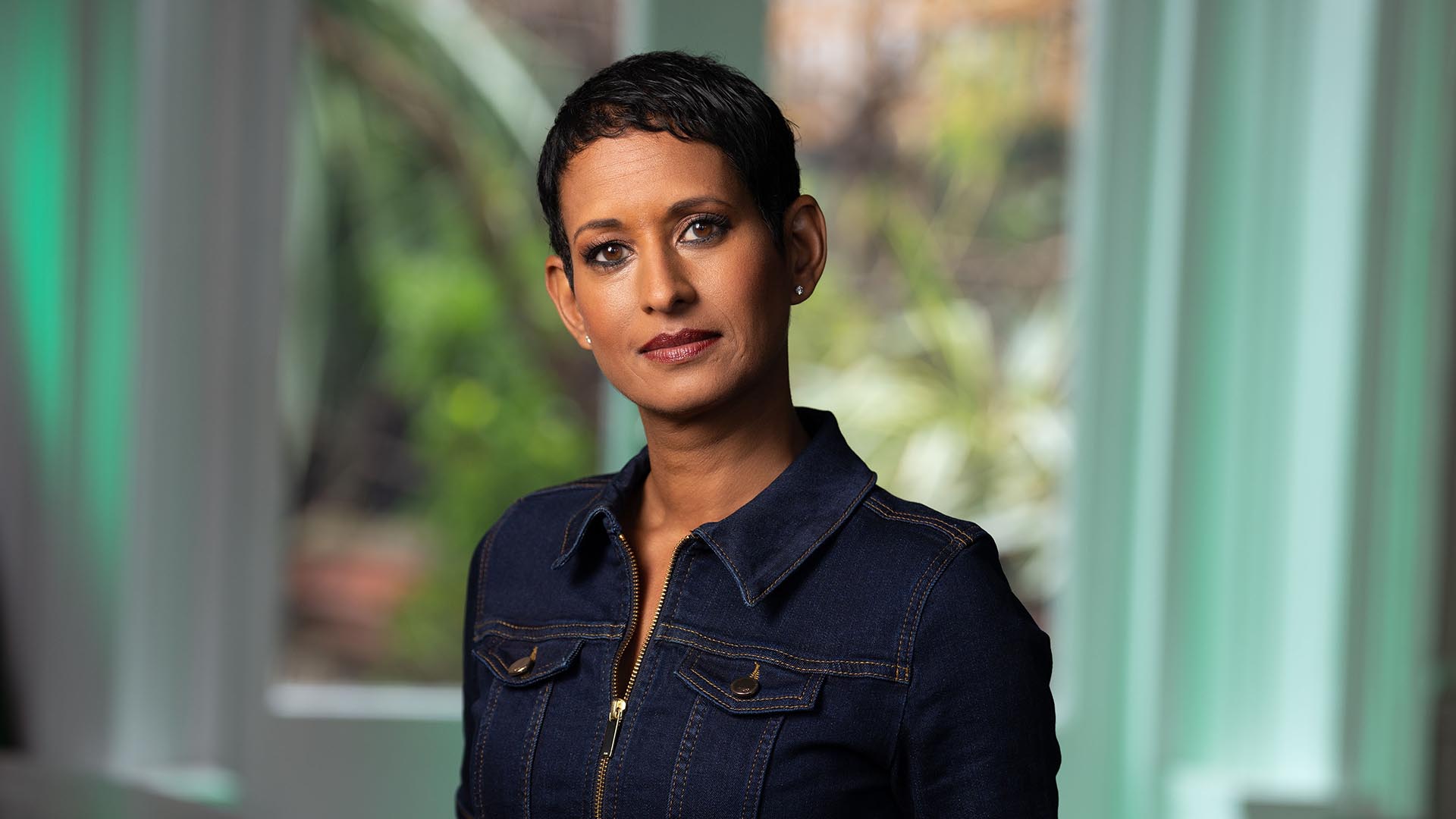
Listen to Naga Munchetty every week on BBC Radio 5 Live Monday-Wednesday, 11am-1pm.
This article is taken from The Big Issue magazine, which exists to give homeless, long-term unemployed and marginalised people the opportunity to earn an income.
To support our work buy a copy! If you cannot reach your local vendor, you can still click HERE to subscribe to The Big Issue today or give a gift subscription to a friend or family member. You can also purchase one-off issues from
Advertising helps fund Big Issue’s mission to end poverty