I’ve always thought of my career as my livelihood, but lately it’s starting to feel like a juggle between work and survival. Costs are rising faster than wages, so I’m steadily rewarded for my hard-earned progress with a continual real-term pay cut.
The government’s universal solution is growth. I agree with this in the long term, but growth takes time and the 4.5 million UK children living in poverty need help now.
When the two-child limit ends in April, families like mine will finally breathe.
The monthly £292 universal credit child element, which is given per child, is the minimum “fiscal headroom” needed to raise children in the UK. And crucially for the country, it will keep parents like me working and spending locally, to drive growth as we raise the future taxpayers our country depends on.
But the recent budget was about more than economics. It was a statement about which children count and whose family life is treated as legitimate. That is why I welcome chancellor Rachel Reeves’ decision to recognise this policy change as a restoration of children’s and women’s rights.
Austerity-era policies like the two-child limit frame poverty as a “lifestyle choice”. Yet the economic pressures crushing vulnerable families are pounding everyone else too – astronomical childcare, rent, and living costs, with wages falling in real terms. Nobody chose these. This political story about “choices” blames the most vulnerable for “breaking the economy,” when in reality the same broken economy is breaking us all.
Advertising helps fund Big Issue’s mission to end poverty
Women’s rights are collateral damage. By threatening us with poverty, the two-child limit traps women in abusive relationships and pushes others toward reproductive decisions they don’t want.
Reeves was right to call out the policy’s “rape clause,” which has forced women to choose between poverty or reliving sexual assault in front of strangers at the DWP. The clause also creates a false distinction between children conceived through assault and children conceived consensually – even when both children are equally in need of support.
The “rape clause” not only minimises the trauma of women who experienced sexual assault, it implies that those who did conceive a third child consensually, and are now struggling, are irresponsible. But in reality, caring for any child – regardless of how they were conceived – is an act of taking responsibility.
Typical motherhood: take the responsibility, get handed the blame. In online advice forums, questions from mothers of three often attract more judgement than answers, even around common challenges. We are routinely told by strangers, “condoms are free”. Meanwhile, government data shows only 27% of UK men find sexual health information is clear or relevant to them.
The discussion has become so focused on judging parents that children are increasingly discussed as a lifestyle choice or consumer goods. “If I can’t afford three cars, I don’t buy them,” writes one TikTok user. Countless others repeat: “If you can’t feed ’em, don’t breed ’em.” We should all be alarmed when dehumanising language – reminiscent of livestock – is casually used to describe children.
Parent campaigners are rightly advised to ignore the comments to protect our mental health. But while we look away, the hostility spreads: a rage-bait headline about the two-child limit can draw thousands of angry comments in a matter of hours. It’s no wonder so few affected families are willing to speak out.
Advertising helps fund Big Issue’s mission to end poverty
Yet, a group of lived experience parent campaigners are doing it. And unlike sensationalist headlines feeding off public outrage, we are asking people to consider real-life testimony.
In the media, hate catches like wildfire while empathy is a slow burn. The question is, which fire will forge the future?
By ending the two-child limit, the chancellor shifts power away from the keyboard warriors. This is more than the end of austerity; it is the beginning of dismantling the toxic belief system austerity built. This is why I hope the upcoming child poverty strategy includes a commitment to replacing sensational “benefit scrounger” narratives with real data and lived experience. Until vulnerable families regain their voice, public understanding remains dangerously incomplete.
Growth remains key. But because so many working families rely on universal credit, growth itself depends on universal credit too. And if the government is serious about protecting the workforce, then the child poverty strategy must also confront the benefit cap.
Work requires upfront and ongoing investment: in suitable housing, transport, clothing, tools, and childcare. Working families cannot access the stability required to start and stay working if a single job loss or business failure means their rent becomes unaffordable within weeks.
Strengthening the safety net allows parents to stay in work until wages catch up with the cost of living, reducing the need for universal credit entitlement and enabling more families to come off benefits entirely. It will also restore the rights of women and children. With the threat of poverty removed, women regain control over their futures and bodies, children are guaranteed safety and security, and true “choice” can be restored to family planning.
Advertising helps fund Big Issue’s mission to end poverty
Families impacted by the two-child limit still face a long winter – with childcare gaps to fill, solutions to find, heaters to fuel, and Christmas magic to somehow conjure. And for too many young people who endured needless poverty, and women pushed into dangerous relationships or unwanted reproductive choices – relief comes too late.
But for half a million children including mine, there is finally an end in sight to this “fiscal black hole”. And all parents of three or more can feel safer, knowing that all our children will finally have equal access to the safety net, should they need it.
Ending the two-child limit this April is the least we can do. Now let’s start doing the rest.
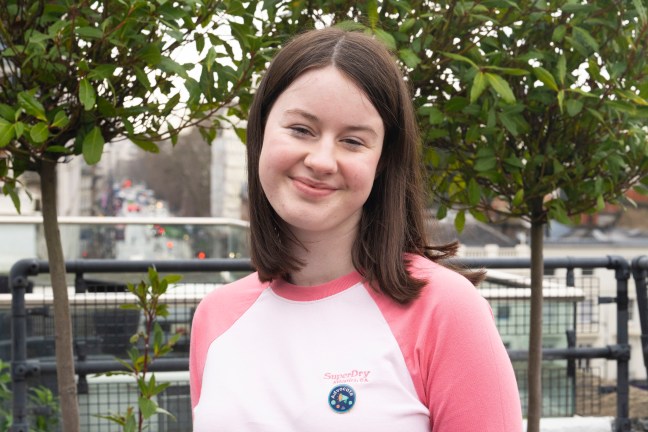
Thea Jaffe is a full-time working mum and volunteer with Single Parent Rights.
Do you have a story to tell or opinions to share about this? Get in touch and tell us more.
Change a vendor’s life this Christmas.
Advertising helps fund Big Issue’s mission to end poverty
Buy from your local Big Issue vendor every week – or support online with a vendor support kit or a subscription – and help people work their way out of poverty with dignity.