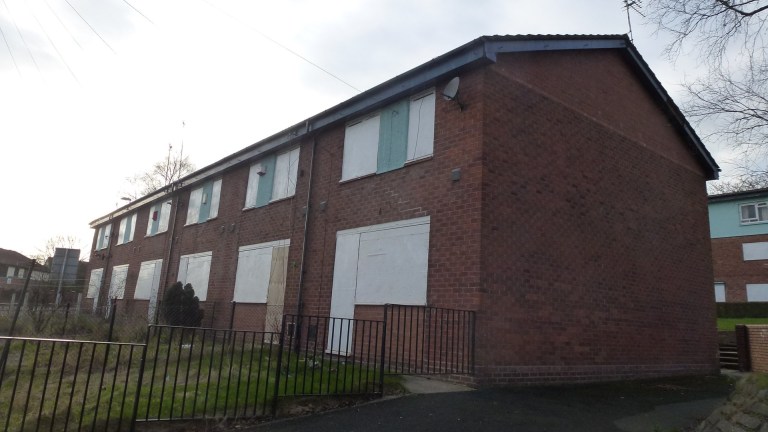
The 445 Yo-yo Homes were sold under Right to Buy for £35.7m and bought back for a total of £97.1m, a loss of £61.4m. Funded with taxpayer cash, the difference is going to private owners because of how the system is designed.
As councils buy up properties in a bid to fight the cost of homelessness, current Right to Buy rules mean they cannot reclaim profits from newly-minted Right to Buy owners who wait more than five years to sell.
Florence Eshalomi MP, chair of parliament’s housing select committee, told Big Issue: “This is further evidence that the current Right to Buy policy is failing taxpayers, local councils, and those who are in desperate need of a home to escape overcrowding and homelessness. This damages the supply of accommodation and the prospects of stock development.
Keep reading the journalism that powers our mission
Register free to continue and learn more about the stories, campaigns and the support we provide, helping people facing poverty across the UK.
After we presented Eshalomi with our latest findings, she called on Labour to speed up its reforms. “I hope the government will look again at the timetable for changes to Right to Buy – reform is long overdue,” she said.
Big Issue has revealed the extent of Yo-yo Homes across the country, as we use freedom of information laws to track the homes bouncing between public and private ownership at a net loss to taxpayers.
A Yo-yo Home is a property sold by a council under Right to Buy, then repurchased by that council between five and 10 years later. Within that gap, town halls have a right of first refusal on ex-council properties which come up for sale, but cannot claw any of the discount back.
Our new findings bring the total losses uncovered to over £70m – in the space of five years. We have now discovered more than 500 properties sold back to councils at profits.
Read more of Big Issue’s investigation into Yo-yo Homes:
They come against a backdrop of homelessness crisis pushing council finances to the edge. Local authorities tell us that buying these homes back, even at a loss, is better than paying out to private landlords for temporary accommodation – but that they want the government to hurry up with reforms to prevent profiteering.
Together, they paint a growing picture of how the UK’s housing crisis is enriching a select few while others battle to find a secure home. What we’ve revealed has led to calls for Labour to urgently speed up reform of the policy, or for Right to Buy to be ended altogether.
‘This is economic madness’
In Newham, the London borough with England’s longest social housing waiting list, more than £22m has been lost on 130 Yo-yo Homes in just five years.
Sheffield City Council, which has the 12th worst social housing waiting list in England, sold 85 homes under Right to Buy for a total of £2.7m. Our investigation found they have repurchased these homes for almost £8m, losing £5.3m in the space of five years.
Four councils which are so broke the government has granted them exceptional financial support have also lost almost £3m between them on Yo-yo Homes: Eastbourne, Thurrock, Medway and Shropshire (through its arms-length management organisation).
Wolverhampton’s council, which sits in the country’s top 50 for social housing waiting lists, was forced to sell 43 homes for £1.5m. It made a loss of £3.9m when it repurchased these for £5.4m.
In Islington, where almost 17,000 families are waiting for social housing, Right to Buy forced the sale of 56 homes for £9.4m. When the council bought these properties back, it paid £21.6m – a loss of £12.2m.
Local MP, former Labour leader and Your Party co-founder Jeremy Corbyn called it economic madness. “While I applaud the council for trying to expand the social housing stock, this is economic madness,” Corbyn told Big Issue.
“Extending the clawback period is welcome, obviously, but Labour’s reforms will be insufficient so long as they refuse to end Right to Buy once and for all, or build the massive council-house-building programme on the scale that is urgently required.”
Keir Starmer’s government continues its commitment to Right to Buy, meaning councils are compelled to sell properties off, and says there is no timeframe on reforms which will close a loophole allowing sellers to profit from Yo-yo Homes within 10 years of buying them.
The government has reduced the discounts on offer, limiting profits to be made. But as the November 2024 discount deadline approached, applications surged to beat the deadline and buy properties cheaply. Those properties can be sold back to the council after five years for profit.
In the rush of applications, one council discovered a wave of fraud – and said the cut-off had put strain on its teams who detect homes about to be wrongly handed over on the cheap. Sandwell Council said it had stopped 10 Right to Buy applications, totalling £750,000.
Since Labour came into power, promising its reforms, the councils in our investigation have lost £9.75 million.
One council has stopped buying Yo-yo Homes because it believes they’re bad value. Instead, Newcastle City Council is prioritising cash for building brand new properties, amid fears that Yo-yo Homes it bought up could subsequently be sold off again under Right to Buy.
“We haven’t proceeded with any further acquisitions since March 2023 due to a strategic shift in focus towards retaining funds for new build developments, which were seen as a more sustainable way to increase housing supply,” a spokesperson told Big Issue.
“The shift serves to help rebalance the age profile of the council’s housing stock, the majority of which is 50+ years old, and also meet the most acute affordable housing shortages by type and size, notably larger and more physically accessible homes.”
How the councils reacted to our Yo-yo Homes findings
When we put our findings to councils most argued the Yo-yo Home acquisitions were a cost-effective way of boosting social housing stock, against a backdrop of their hands being tied by Right to Buy sales.
“We are proud of our efforts to tackle homelessness, including our commitment to purchase more than 900 ex-council homes, and building hundreds of new ones,” said John Woolf, Islington Council’s executive member for homes and neighbourhoods.
Woolf said they did it to support record numbers of households in temporary accommodation, and that all properties were on its estates. “We would welcome further changes to the Right To Buy scheme and more funding for homelessness services to help us keep delivering for vulnerable people in Islington,” Woolfe added.
A spokesperson for Eastbourne Borough Council highlighted sales are not a local decision, and said the council had gone for homes where it was a freeholder
The spokesperson said: “The Right to Buy is national legislation and not a local decision. Like many councils, we have ‘repurchased’ homes previously sold under this scheme to help meet the unprecedented housing need that exists. These properties are instantly reinstated as much-needed affordable social housing.”
But the council said more funding was needed: ”Despite this, there are still more households and families in need, and we are having to utilise temporary accommodation, which has a very significant impact on the council’s finances. Repurchasing stock is a faster and more sustainable alternative to relying on this expensive, short-term accommodation.”
Newham said buying homes was quicker and cheaper than building new properties, and that most of its buy-backs were in blocks of council-owned flats.
Camden councillor Sagal Abdi-Wali, cabinet member for better homes, said: “Right to Buy has had a deeply damaging impact on London’s housing system. Decades of forced sell-offs, without the ability to replace those council homes, have hollowed out the social housing stock that families rely on. It has fuelled the housing crisis we see across London and Camden today.
“The law must be reformed so we can safeguard good-quality social housing for future generations. These opportunities to return former Right to Buy properties to genuinely affordable, secure social housing is a vital step towards rebuilding the council housing our communities urgently need.”
Medway Council said they had “no choice” and that homes would naturally be more expensive when repurchased. “Here in Medway we’re doing all we can to tackle the housing crisis, and meet the demand for affordable housing. As part of those efforts we have no choice but to buy back homes previously lost under Right to Buy, along with others available on the market, so that they can be utilised for local families who need them most as social housing,” a spokesperson said.
A spokesperson for the Ministry of Housing, Communities and Local Government previously told Big Issue: “There are simply not enough social homes because of the housing crisis we inherited, and we are giving councils greater flexibility to use Right to Buy receipts so they can build and buy more homes.
“Our priority is to reform the scheme to better protect social housing stock and support councils to deliver new homes.
“We will continue to support long-term tenants to buy their homes, alongside building the biggest boost to social and affordable housing in a generation – backed by £39 billion investment.”
Do you know more about this story? Email Big Issue reporter greg.barradale@bigissue.com
Change a vendor’s life this Christmas.
Buy from your local Big Issue vendor every week – or support online with a vendor support kit or a subscription – and help people work their way out of poverty with dignity.