Advertising helps fund Big Issue’s mission to end poverty
Opinion

Our leaders must listen to scientists on climate change – or catastrophe is around the corner

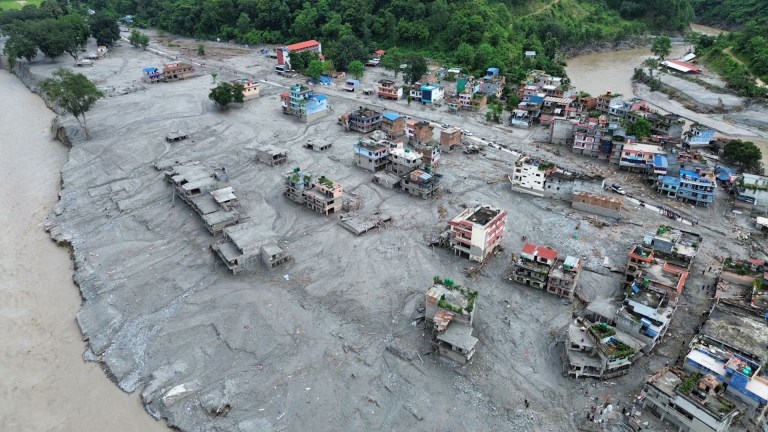
Environmental destruction can happen quickly and catastrophically at the stroke of a politician’s mis-informed pen, says WWF UK's Mark Wright

Image: Tony Wu / WWF

Many of our powerful and influential leaders are scientifically illiterate, and there’s absolutely nothing wrong with that. In fact, to some extent, we should expect this to be the case because they need a whole range of other, very different, skills to get to where they are. Where problems arise is when they choose not to seek the counsel of those who do understand the science and what this implies.

But it gets worse. Not content with simply sticking their heads in the sand and ignoring the overwhelming body of evidence, some seek to rubbish the science through loud and regular outpourings of scaremongering disinformation. The danger, of course, is that making policy based on prejudice rather than facts does every one of us a disservice and condemns us and our children to a far more precarious future.  

Almost 20 years ago, the film An Inconvenient Truth highlighted the impending risks of climate change. Two decades on and these truths are even more inconvenient, not just for our changing climate but also for the world’s embattled nature.  

So let’s be clear. Climate change is categorically not a con-job; the wholesale hollowing out of nature’s richness is not some alarmist fake news. We can see the results of these changes all around us. Some are sudden and drastic, such as the world’s coral reefs going through devastating bouts of heat-induced bleaching that kills them. It is worth reminding ourselves that the first mass bleaching event only took place in the early 1980s – it simply wasn’t a thing before – but this is now the new normal.
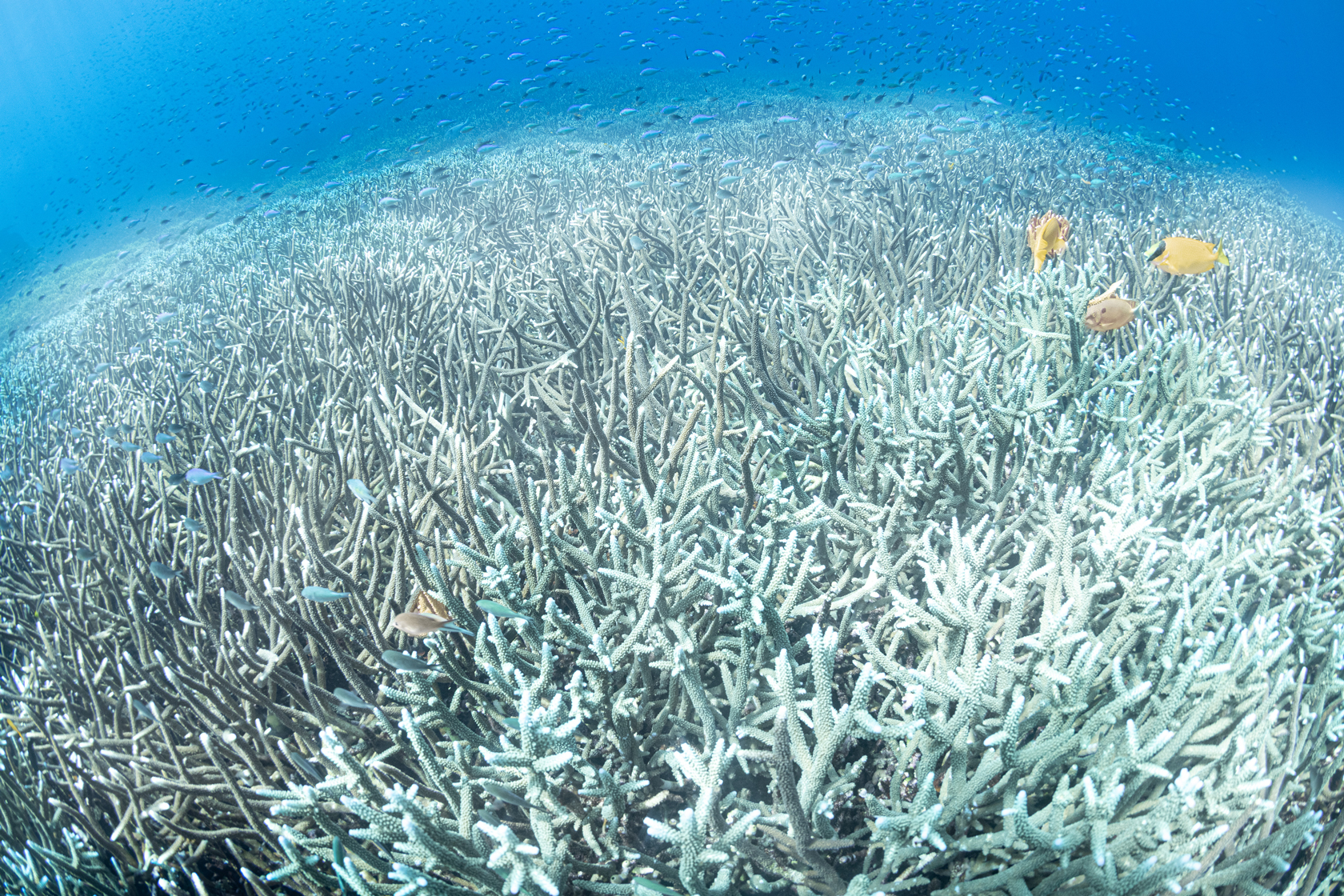
Heat-bleached coral reefs. Image: Vincent Kneefel / WWF-Netherlands

Other changes are insidious and unnoticed. Take for example birds in the US – a nation with a love of nature and all the resources one could possibly wish for – where, well within my lifetime, the number of breeding birds has dropped by three billion, roughly equivalent to losing one in every four adult birds. Imagine how difficult the situation must be in those countries that don’t have the luxury of such fantastic resources.  And, before you ask, the situation in the UK is not much better.  

What I find slightly dispiriting about this constant drumbeat of negativity is that, while climate change will be hugely challenging, it should also be seen as an opportunity to do things differently – and better. In a real sense, climate change, for those with a little vision, can be good for business. And that is happening already, and we should both celebrate and build on this. In the UK, there was an estimated 690,900 full-time equivalents (FTEs) employed in green jobs in 2023. This is impressive but remarkably this is over 34% higher than it was just eight years earlier.  
Advertising helps fund Big Issue’s mission to end poverty

Read more:

Shifting to renewable energy should really be a no-brainer; wind and sun are free and yet still we hear the naysayers railing against the ‘cost’ of green energy. Earlier this year there was an outcry in some quarters of the media over the fact that some UK windfarms were being paid to stop producing electricity. This was held up as proof of the costly folly of relying on unpredictable sources of power. I agree we should be angry – but that frustration should surely be levelled at the sluggish and indecisive progress we are making in upgrading our aging National Grid so that it can accommodate these energy bonanzas. Investing in upgraded infrastructure has to be the right thing to do.  

Against the gloomy backdrop of a natural world that is being seriously squeezed from all sides, there are some good news stories – moments that give us hope and optimism for a better future (and it is Christmas after all!). Well-known and well-loved species such as tigers, giant pandas and green turtles are all seeing increased populations and their habitats protected. But lesser-known species, who each have their own wonderful story to tell, are also being pulled back from the brink. The Wollemi pine is so ancient it grew alongside the dinosaurs. Down to only about 100 individuals in its native Australia, it is now being cultivated in botanic gardens around the world – like new Noah’s arks. Partula snails from Polynesia were decimated in the 1980s and 1990s by the invasive and carnivorous rosy wolf snail. Thanks to an international breeding and reintroduction programme their status has improved.  

Image: Day’s Edge Productions / WWF-US

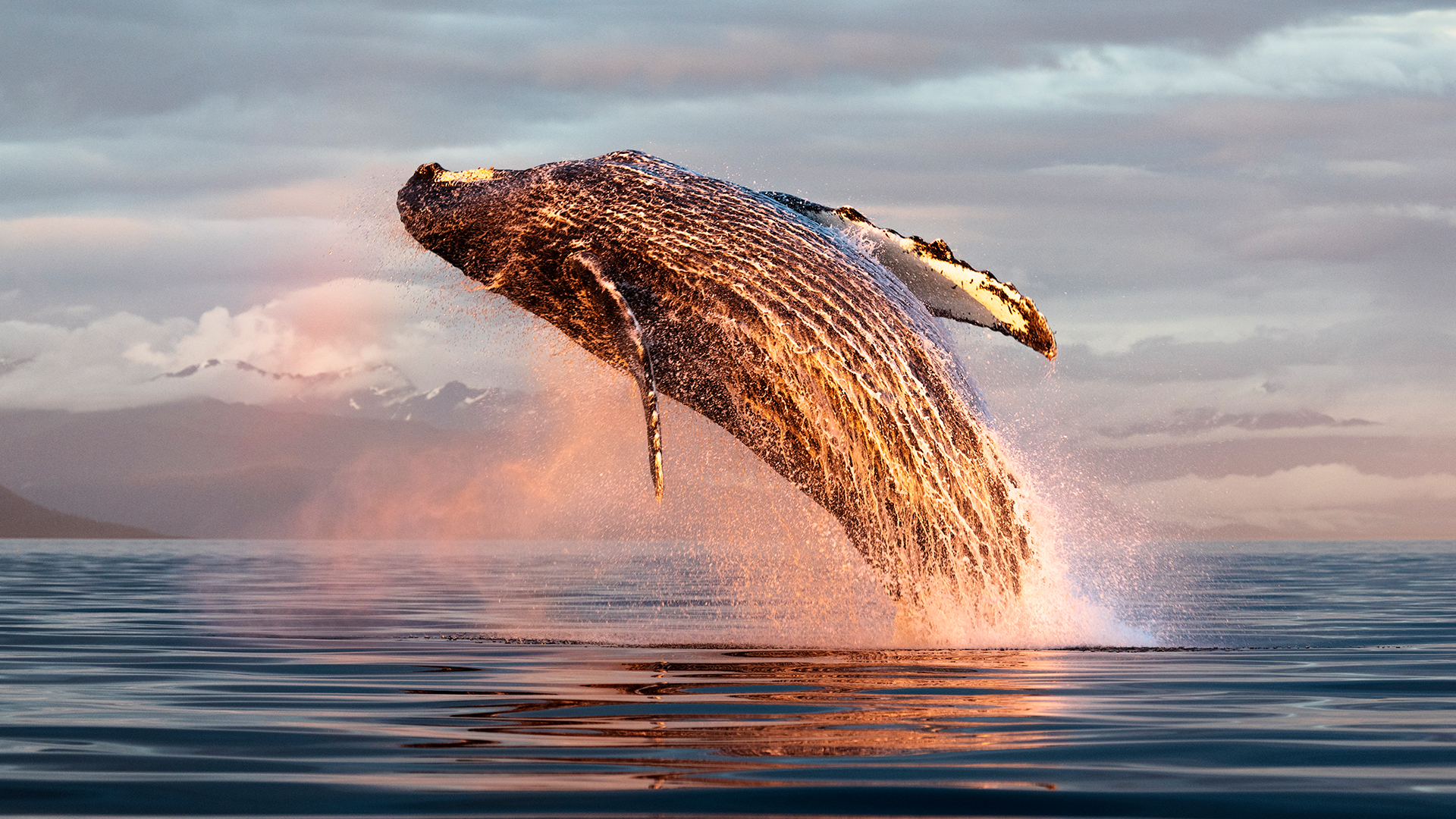
Protecting species is one thing but unless their habitat is secure, their future will always be uncertain. Earlier this year, after decades of negotiation, the High Seas treaty was ratified and will come in to force on 17 January 2026. This may sound less exciting than the recovery of greater one-horned rhinos in India and Nepal but, for me, this is potentially world changing. This treaty essentially guides what can and can’t be done in international waters – those that fall outside of national jurisdiction, which is the bulk of the Atlantic, the Pacific and many of the other bodies of sea water that bathe our blue planet. It will help bring some controls to how we use those waters – for shipping, for mining, for tourism as well as establishing protected areas for marine species and blue corridors along which whales can safely migrate between their feeding and breeding grounds. This treaty shows that we care; that we can strive to co-exist with other species; that we can invest for the future.  

This is positive news, but we need to remember that environmental protection and restoration does not come quickly, easily or cheap. It takes time for trees to grow or elephant populations to recover. But, conversely, environmental destruction can happen quickly and catastrophically at the stroke of a politician’s mis-informed pen.

Nature is too beautiful and too valuable to squander so let’s not lose sight of what is truly important – and hold our decision makers accountable for doing what is right for people and for the planet.

Mark Wright is special advisor at WWF UK.

Do you have a story to tell or opinions to share about this? Get in touch and tell us more

Reader-funded since 1991 – Big Issue brings you trustworthy journalism that drives real change.

Every day, our journalists dig deeper, speaking up for those society overlooks.

Could you help us keep doing this vital work? Support our journalism from £5 a month.

Advertising helps fund Big Issue’s mission to end poverty

GIVE A GIFT THAT CHANGES A VENDOR'S LIFE THIS CHRISTMAS 🎁

For £36.99, help a vendor stay warm, earn an extra £520, and build a better future.
Grant, vendor

Recommended for you

View all
The message that non-white people are unwelcome in the UK got louder in 2025 – here's the proof
protesters surround a police van
Siddharth Venkataramakrishnan

The message that non-white people are unwelcome in the UK got louder in 2025 – here's the proof

We need a stepchange in how we deal with homelessness in 2026 so society can heal
Jess Turtle

We need a stepchange in how we deal with homelessness in 2026 so society can heal

From aubergines to data centres: Here's what's going to happen in 2026
Paul McNamee

From aubergines to data centres: Here's what's going to happen in 2026

2025 was tough on the planet. We can't afford a year of Labour in-fighting on environment policy
onshore wind farm
Shaun Spiers

2025 was tough on the planet. We can't afford a year of Labour in-fighting on environment policy