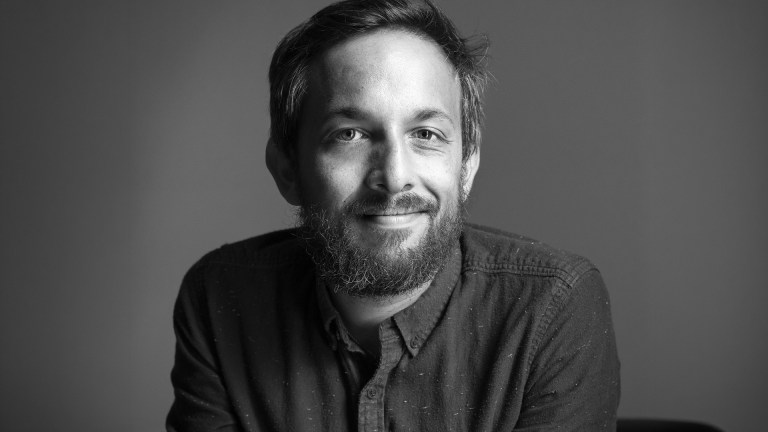
Something quite obvious and yet profound occurs when groups of people gather to sing together: the energy of the group harmonises. For the last six years, I have been organising groups of people to sing together through Activating the Voice, my online and in-person teaching container that empowers self-expression through singing and expressing what has been historically silenced. My observations have fortified my perspective that music and singing are wisdom technologies, capable of alchemising discordant energies into a unified and resonant field. At a time when the social fabric of the world feels ripped into polarity, might we consider how music can lead us back to remembering what coherence and belonging feels like?
I will tell you what people are not doing when they are singing together: they are not gossiping, escalating conflict, and they aren’t speaking about things that amplify fear. In other words, they are stepping out of the habits that fracture community. When we sing together, we are practicing listening to one another, syncing our breath and heartbeat, cooperating and contributing to a shared field of sound. Singing is one of the most wholesome, unifying and accessible activities that we have available to us as humans. It’s also inherently self-soothing. Research shows that singing and humming stimulate the vagus nerve, which helps regulate the body’s stress response and supports a shift out of fight-or-flight. This is why people often find themselves humming when nervous; they are intuitively calming their bodies down. In this sense, we can recognise singing as a resilience practice.
Read more:
- I was homeless on the streets of London. The public piano at St Pancras station saved me
- The Wanted star Nathan Sykes shares how dogs give him purpose: ‘I can’t imagine not having a dog’
- Why are we so obsessed with surrounding ourselves with music?
I offer these insights as a singer, songwriter and sound healer who has witnessed what music can unlock in people. I believe singing can dispel our collective numbness and resensitise us to feeling. Everywhere you look, someone is hunched over a phone – we are living in times of massive disassociation. When one sings, the remembering that one’s own body is a wind instrument comes online. There is an inherent uprightness and engagement with the body that occurs as one begins to sing.
I’ve watched people start to sing and tears immediately spring forward because the voice is a bridge to our most tender emotions. Singing helps us contact what has been tucked away and allows these sensations to be heard and felt. In singing, we refine our listening – not just to our voice or to the world around us – but to the mysteries of our own interior landscape.
Music can awaken consciousness and carry difficult truths past our defenses – which is why it has always been such an effective messenger for social change. Bob Marley captured this paradox perfectly when he said, “One thing about music – when it hits, you feel no pain.” Consider his song “War”, which adapts emperor Haile Selassie’s iconic 1963 speech before the UN (“Until the philosophy which holds one race superior and another inferior is finally and permanently discredited and abandoned, everywhere is war”). Or Sinead O’Connor’s “Famine”: “Irish people were only allowed to eat potatoes… All the other food was shipped out of the country under armed guard to England while the Irish people starved.” This is the power of music: it can confront us with histories of harm and our complicity within them, while still opening hearts and minds instead of shutting them down.