Advertising helps fund Big Issue’s mission to end poverty
Opinion

Why Wes Streeting is wrong about autism and ADHD 'over-diagnosis'

Over-diagnosis is the symptom not the problem, writes Rowan Humphries-Massey. The increased rates of autism, ADHD, and other mental health conditions are evidence of decades of unmet need.

Chancellor Rachel Reeves and Secretary of State for Health and Social Care Wes Streeting visit St George's Hospital in Tooting, London. Treasury. Picture by Kirsty O'Connor/Treasury

This week, the Health Secretary, Wes Streeting, announced a clinical review into rising mental health, ADHD, and autism diagnosis. Streeting goes to great lengths to frame the review as strictly clinical and evidence-seeking, citing a lack of consensus between clinical mental health professionals on the drivers of mental illness.

But this framing misses the point. The crisis in mental health is not about overdiagnosis; it’s about the conditions that make people unwell. 

The latest review embeds diagnosis – or over-diagnosis – as the key issue in mental health care, sidelining the well-documented reality of systemic failures in public health, welfare and care. Whilst tentatively supported by Mind, the Mental Health Foundation and the National Autistic Society, Streeting’s evidence-seeking narrative falls short of addressing the interconnected forces shaping mental distress. 

As Streeting himself cites, between 1993 and 2023, mental health conditions increased by nearly 50%. During those same 30 years, I have sat at tables navigating mental health in multiple roles: as a mental health community care lead, an advocate, a student, a family member, and as a patient. From this vantage point, I am confident evidence is not the resource we are missing. 

The review focuses public resources on rates of diagnosis. But diagnosis as the point of enquiry – in a time of record waiting lists and hollowed-out public services – obscures the reality of mental illness. The evidence we already hold consistently shows that mental distress tracks with poverty, precarity, housing instability, and the cumulative impacts of austerity. Decades of cuts to social care, shrinking welfare safety nets and the erosion of community infrastructure have left millions without the support that prevents crisis. In my own proximity to mental ill health, the roots and reflections of catastrophic systemic issues are unmistakable. 

Read more:

Advertising helps fund Big Issue’s mission to end poverty

We are living through protracted, overlapping losses: loss of services, loss of stability, loss of communal spaces, loss of trust in institutions. This forms an atmosphere of systemic grief – cumulative and collective responses to loss that shape everyday life. Any attempt to explain rising mental distress that ignores these conditions will inevitably miss the mark.

Folding autism and ADHD in this review further complicates the landscape. The terms of reference suggest examining patterns between mental health conditions and neurodivergent conditions. Yet ADHD is significantly underdiagnosed in the UK, with only one in nine ADHD adults receiving a diagnosis. Autistic adults face similarly large gaps in identification and access to support. 

Both conditions are associated with higher levels of mental distress, and the interconnection of support needs is well-evidenced. But this complexity disappears when diagnosis rates become the headline concern. Increased identification of neurodivergence is not evidence of clinical inflation; it reflects decades of unmet need, long waiting lists and growing public literacy. Conflating neurodivergence with mental illness under a single banner of “over-diagnosis” risks obscuring the distinct forms of support each group requires.

Reports suggest the review will bring into question the level of over-pathologising and medicalising of normal human distress. Streeting has since recognised this as an oversimplification of complex factors. The intention to review over-medicalising distress is a welcome one. In my role as a grief educator, debunking distress as a disorder is often the starting line of community grief work. 

Anecdotally, this is a pattern we also see when people seek support following bereavement. Antidepressants are not a recognised first-line treatment for grief, yet when people present to a GP in acute distress after bereavement, they are often the only timely intervention available. Diagnosis and primary medical services become the access pass for essential support. This, too, is well-evidenced by mental illness presentations in emergency care and increasing anti-depressants as first line treatment. This illustrates the point, diagnosis is not a case of clinical excess, but a consequence of the absence of relational, community care. 

The latest review risks asking the wrong questions; the reasons for rising mental illness are well-documented. Another clinical and policy review targeting mental illness will not rebalance the abysmal state of our health, care and social support networks. If we want to reduce mental illness in the UK, we need to address the social determinants of health. That means investment in rapid, resourced, community-led care. Our communities already hold the knowledge; what we need are the resources to rebuild the foundations of a society that can care for one another. 

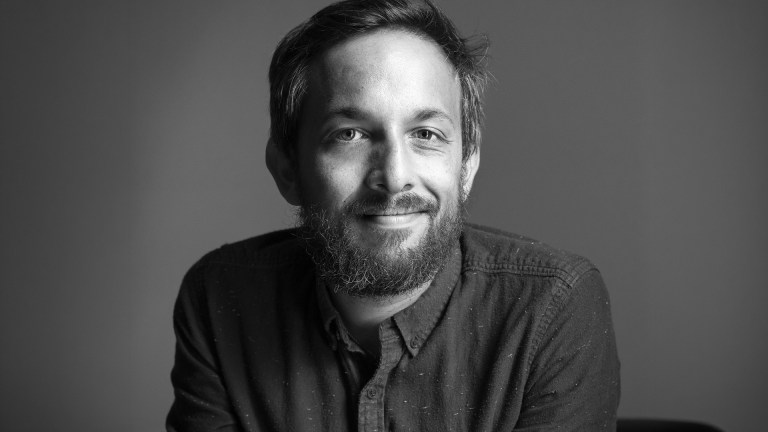
Rowan Humphries-Massey is the founder of Navigating the Wilderness, a community research practice advocating for grief and systems change.

Do you have a story to tell or opinions to share about this? Get in touch and tell us more

Change a vendor’s life this Christmas.

Buy from your local Big Issue vendor every week – or support online with a vendor support kit or a subscription – and help people work their way out of poverty with dignity.

Advertising helps fund Big Issue’s mission to end poverty

GIVE A GIFT THAT CHANGES A VENDOR'S LIFE THIS CHRISTMAS 🎁

For £36.99, help a vendor stay warm, earn an extra £520, and build a better future.
Grant, vendor

Recommended for you

View all
Homelessness minister Alison McGovern: 'Labour will stop homeless kids growing up in B&Bs'
Homelessness minister Alison McGovern
Alison McGovern

Homelessness minister Alison McGovern: 'Labour will stop homeless kids growing up in B&Bs'

Scrapping the two-child limit was just the start. The child poverty strategy has to go further
A stock image of a mother and two children. Image: Unsplash
Thea Jaffe

Scrapping the two-child limit was just the start. The child poverty strategy has to go further

How scrapping the two-child benefit cap could stop divorcing families sliding into poverty
kate daly
Kate Daly

How scrapping the two-child benefit cap could stop divorcing families sliding into poverty

I love to paint, but it can't cut me off from the world entirely
John Bird

I love to paint, but it can't cut me off from the world entirely