Advertising helps fund Big Issue’s mission to end poverty
Opinion

Targeting people with mental health conditions will not fix the welfare system

Arun Veerappan, research director at the Disability Policy Centre, writes about what must really change to fix the welfare system

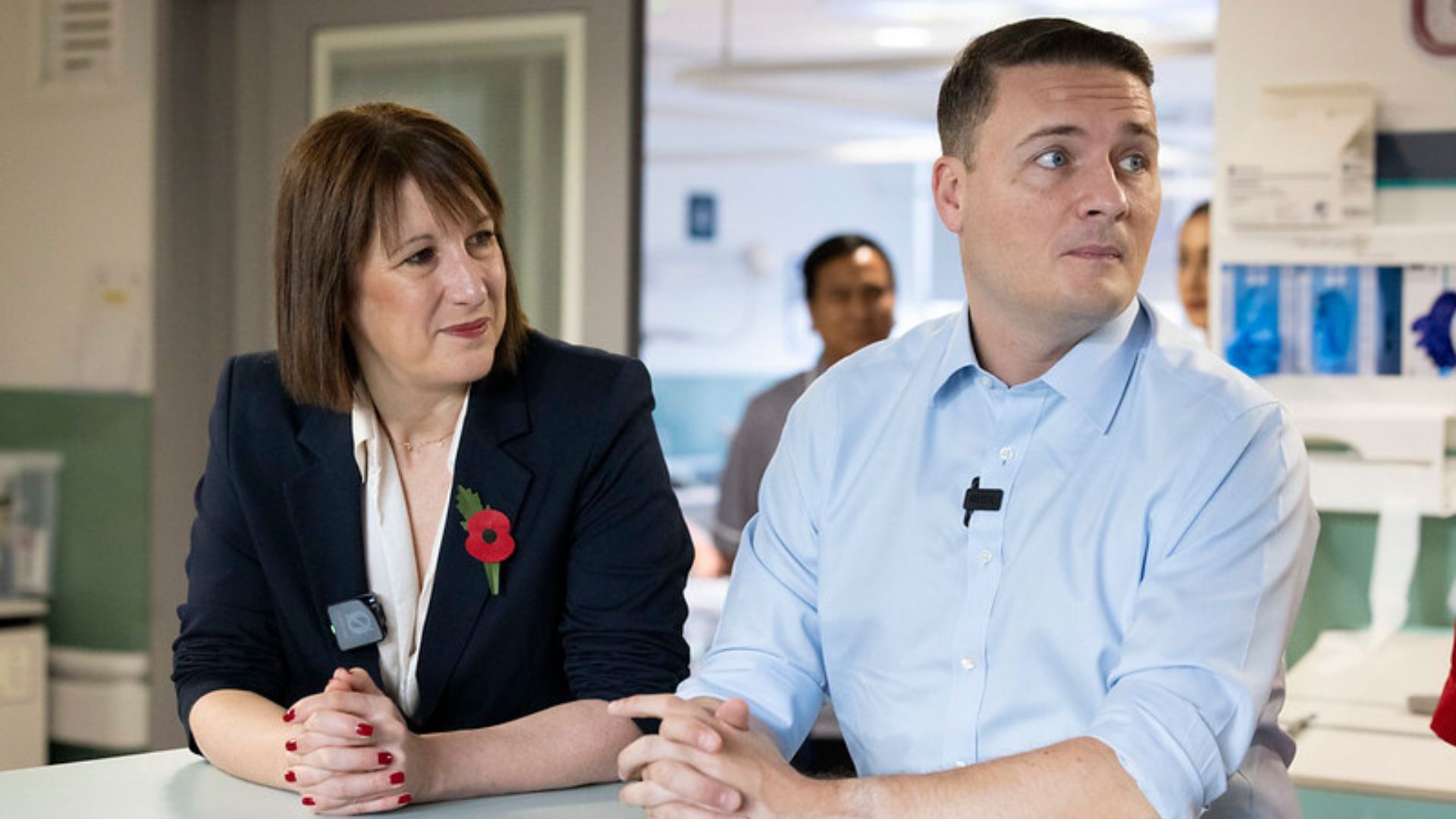
Chancellor Rachel Reeves and secretary of state for health and social care Wes Streeting.

Chancellor Rachel Reeves and secretary of state for health and social care Wes Streeting. Image: Kirsty O'Connor/Treasury

The health secretary Wes Streeting recently announced that the government was launching an independent review into mental health, ADHD and autism services in the UK to improve support.

On the surface, this sounds like a worthy cause. Digging a little deeper in the briefings to the press, however, the review will focus in particular on the “overdiagnosis” of mental health conditions, which have become “overpathologised”, according to the health secretary.

It is likely no coincidence that this announcement came in the same week that the prime minister, Keir Starmer, called for a renewed push on welfare reform. Indeed, this is all part of the government’s efforts to cut welfare spending in the name of boosting employment and productivity.

Read more:

In part, this strategy hopes to tap into the misplaced, if intuitive, belief that benefits spending has increased as a result of rising mental health cases due to the Covid-19 pandemic – and a perceived increased sensitivity among younger generations.

But new analysis from The Disability Policy Centre, the UK’s only disability think-tank, shows that this severely misinterprets the data on mental health and benefits. Our new analysis of Department for Work and Pensions data shows that the definition of ‘mental health’ as used by the government differs quite significantly from the reality in the data.

Advertising helps fund Big Issue’s mission to end poverty

We found that mental health’s share of personal independence payment (PIP) claims (excluding neurodevelopmental disorders) has barely increased in the last six years – rising from 23% to 25% – despite efforts to blame mental health for the rise in welfare costs.

Disabling levels of anxiety and depression as a person’s main condition account for 15% of claims, up from 11% in 2019. Similarly, since 2019, ADHD has accounted for just 4% of the total rise in PIP claims.

By comparison, the proportion of cardiovascular cases is up 103% over the past six years and musculoskeletal conditions is up 72%. But conditions relating to these categories are spoken about much less frequently, in part because they don’t fit into a preconceived narrative which ‘feels’ correct and is more politically sellable given the demographics and portions of the electorate they apply to.

To be clear, this does not mean that reviewing the provision of mental health, autism and ADHD services is not a valid endeavour. With the rise of diagnoses, we should be doing what we can to ensure that people get the support that they deserve.

But we should not attempt to blame the rise in similar conditions for an increase in welfare spending. We should also, therefore, not conflate right-minded arguments for a review into service provision so “children and adults can get the right support”, as the government says, with one which intends to cut support from elsewhere.

By ignoring the data, focusing on mental health in regards to PIP reform will also fail to produce the reforms the government itself says it needs in order to reduce welfare spending, leaving the chancellor with another financial mess at a later date.

Instead, as we argued in a report last year, we need reforms to support disabled people into work where practical and possible, like ‘super-deducting’ occupational health, which would allow businesses to deduct significantly more than the actual cost of providing occupational health services from their taxable profits. 

The government could offer over 100% tax relief on workplace health. Provision is widespread in Europe but presents an additional, unnecessary barrier for employers here in the UK.

Super-deducting occupational health comes with a body of supporting evidence, tax relief has widespread support from influential bodies like the Confederation of British Industry (CBI), and would present the chancellor with an opportunity to cut taxes in the run up to an election in order to help disabled people.

With ministers planning to review the PIP assessment process next year, we hope the government acknowledges the importance of following the data and not the story when it comes to reforming welfare for the benefit of disabled people.

Arun Veerappan is research director at the Disability Policy Centre.

Do you have a story to tell or opinions to share about this? Get in touch and tell us more

Change a vendor’s life this Christmas.

Buy from your local Big Issue vendor every week – or support online with a vendor support kit or a subscription – and help people work their way out of poverty with dignity.

Advertising helps fund Big Issue’s mission to end poverty

GIVE A GIFT THAT CHANGES A VENDOR'S LIFE THIS CHRISTMAS 🎁

For £36.99, help a vendor stay warm, earn an extra £520, and build a better future.
Grant, vendor

Recommended for you

View all
Labour's child poverty strategy is a real step forward, but it can't be the last word
Keir Starmer at a children's centre as the government laid out its plan to reduce child poverty.
Scott Compton

Labour's child poverty strategy is a real step forward, but it can't be the last word

Why were young people barely mentioned in Labour's homelessness strategy?
Prime minister Keir Starmer hosting a press conference with school children.
Phil Kerry

Why were young people barely mentioned in Labour's homelessness strategy?

Why you should spare a thought for young trans people this Christmas
Danielle St James

Why you should spare a thought for young trans people this Christmas

Young people drop out of school when no one seems to care. Labour's plans could change lives
A stock image of teenagers in a school class.
Jack Reynolds

Young people drop out of school when no one seems to care. Labour's plans could change lives