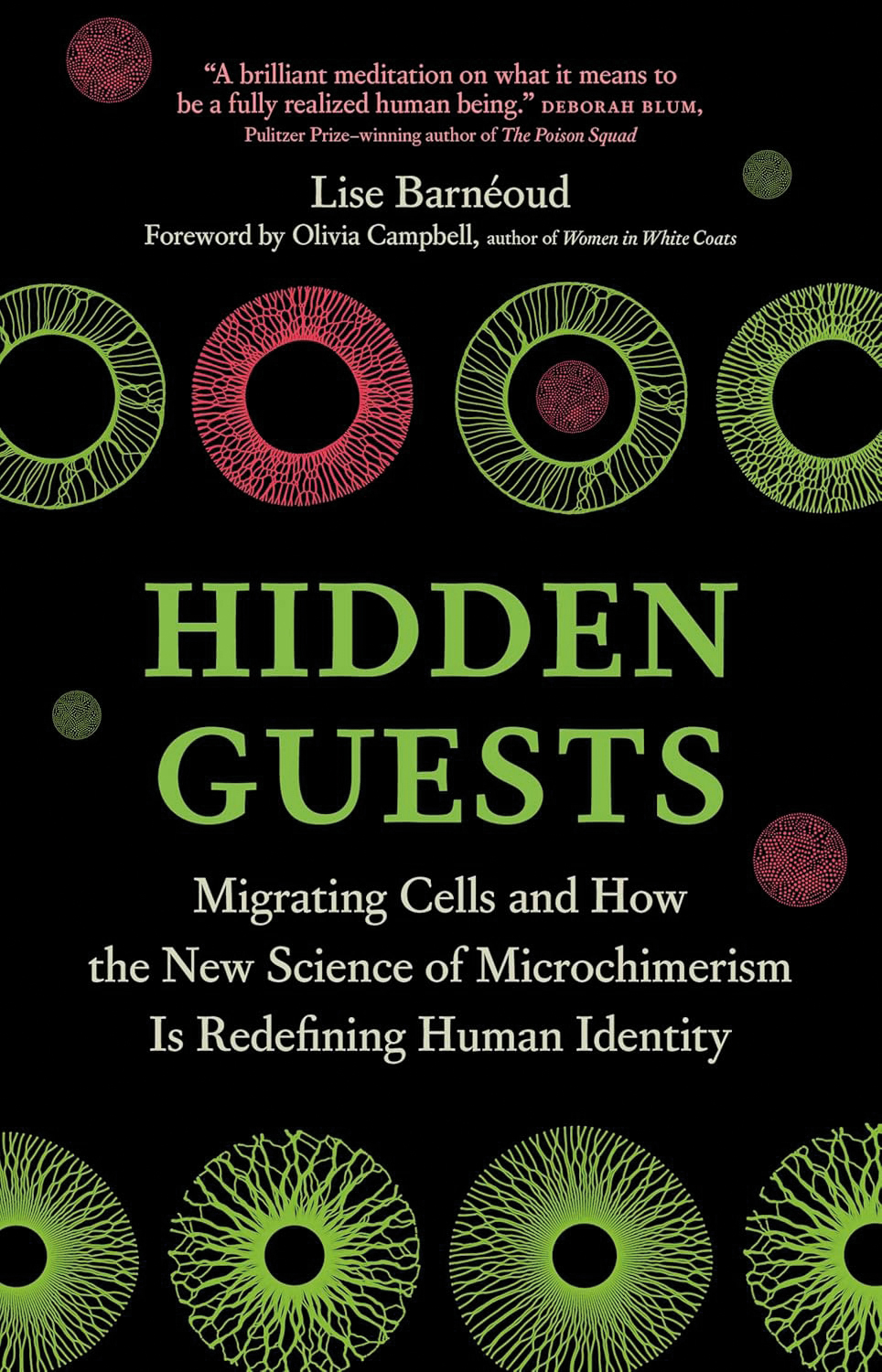
We are all told the same story as children: that we grew from a single cell into a human being. We learn that all of our trillions of cells developed from the first union of egg and sperm, and that we each have one unique and unvarying genetic code. But scientists are beginning to challenge that story. The oft-taught equation of “one individual, one genome” fails to capture how complex the reality is.
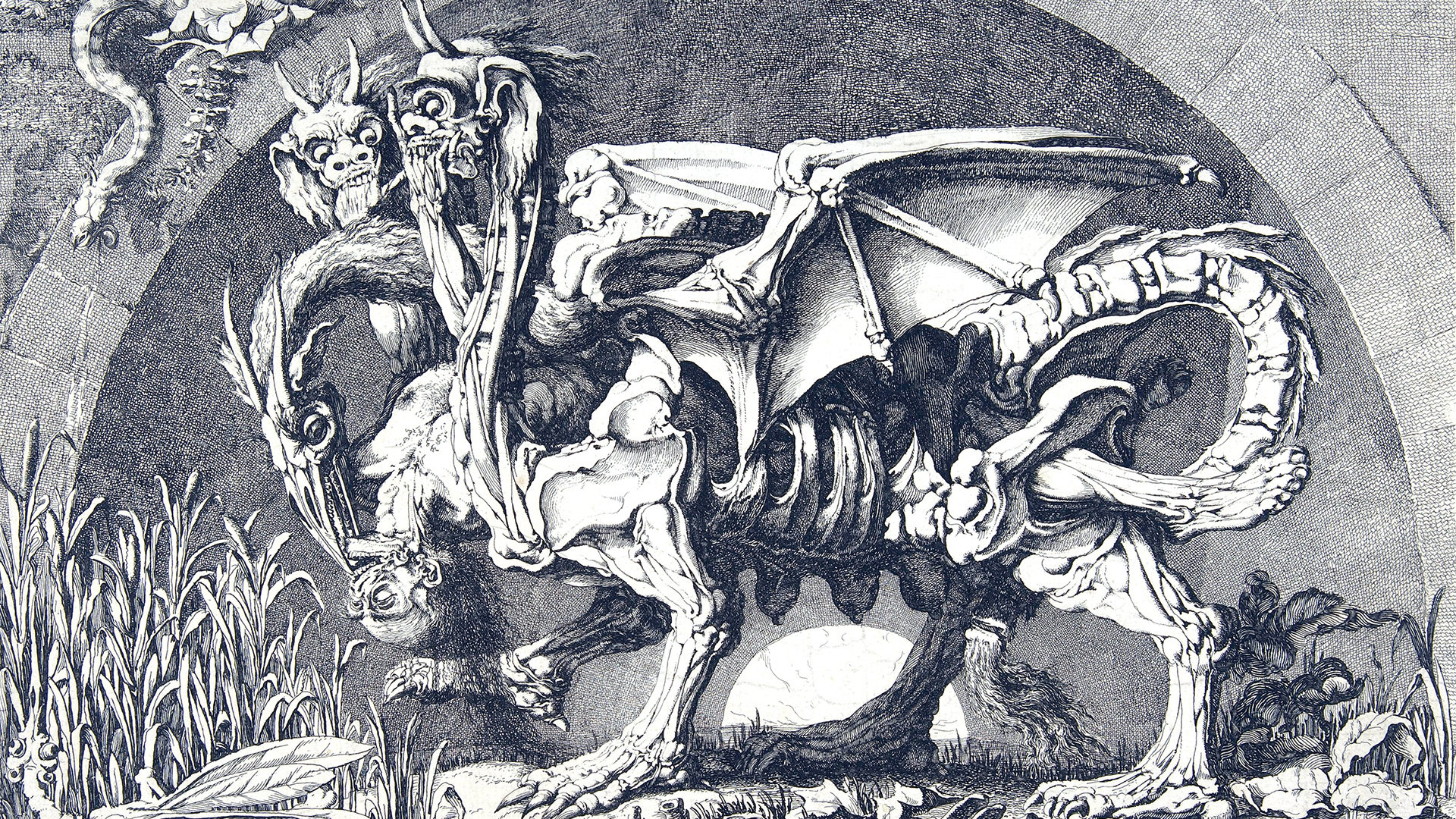
In fact, we all carry cells from other individuals within us. Hidden in our blood, our heart, our lungs, and even sometimes in our reproductive organs are human cells with a genome different from our own – cells that originated in another person. This phenomenon, which affects all species with a placenta, has been named microchimerism (after the chimera, a monstrous creature from Greek mythology).
Get the latest news and insight into how the Big Issue magazine is made by signing up for the Inside Big Issue newsletter
In the womb, we are first and foremost built by and with others. The placenta is not the watertight barrier we often imagine: in fact, human cells can cross it in both directions, from the foetus to the mother and vice versa. Women can thus acquire cells from all the embryos they ever carry, whether or not they result in a birth. And they can transmit to their foetus not only their own cells but also all the microchimeric cells they carry, which might come from their mother as well as from any previous pregnancies.
We can therefore inherit cells from our maternal grandmothers as well as from our older siblings (whether they were ever born or not). In utero, some of us may also exchange cells with our twins – including vanishing twins, those embryos that disappear along the way. Even after birth, we can still inherit cells from others, particularly during breastfeeding or after a transplant: the donor’s cells can leave the graft site and establish themselves elsewhere in the recipient’s body.
There are examples of women with male cells found within their brain, or of babies with their grandmother’s cells found within their blood. One woman discovered she has two blood types, with one coming from her twin brother. In a remarkable case, a mother was found to host cells from her vanished twin sister in her ova: two of her sons were in fact her genetic ‘nephews’, whose genetic mother never lived.