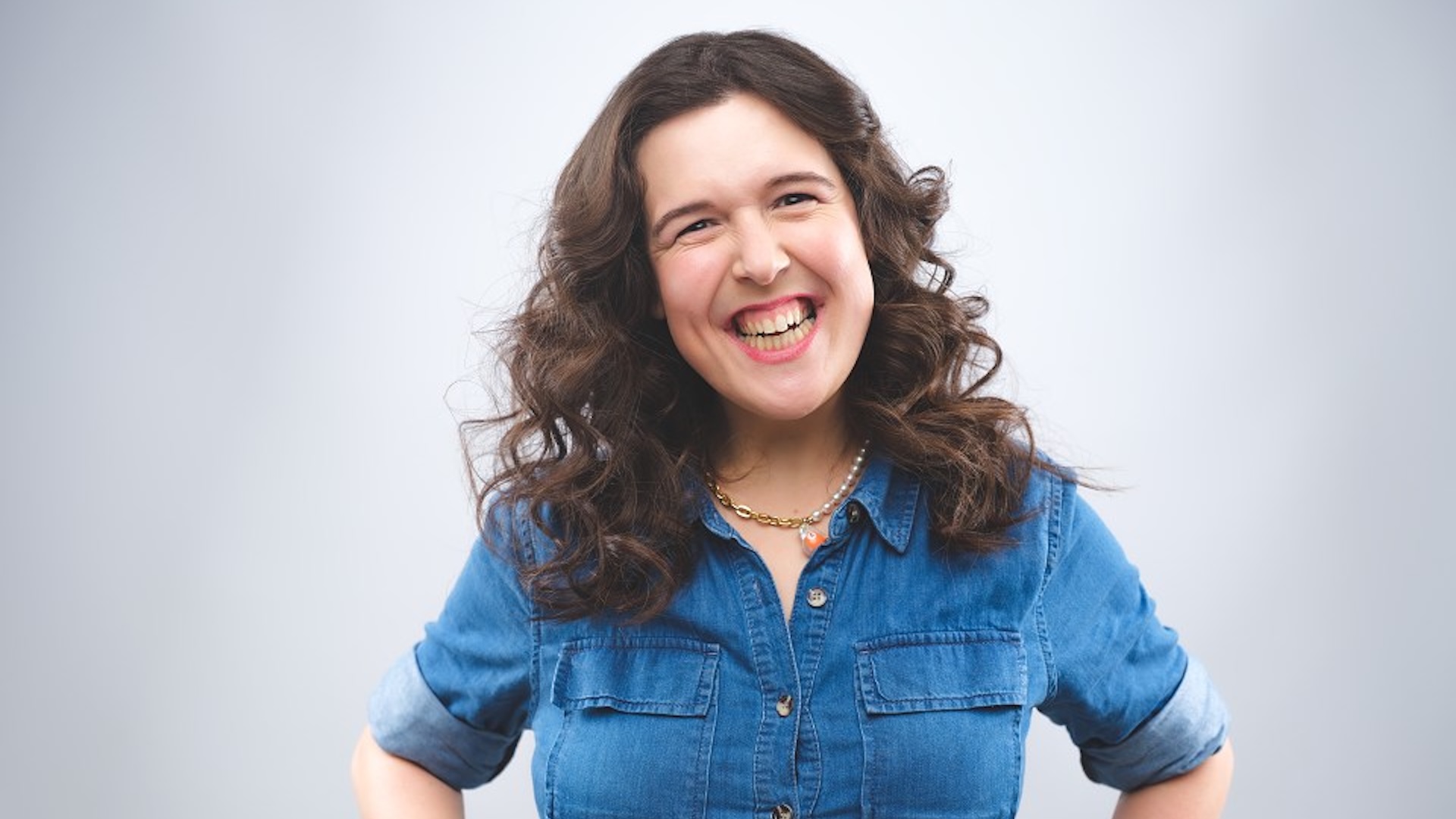
The comedian speaks to the Big Issue about what this show means to her, her feelings around disability and sexuality and the challenges faced by disabled people today. Not ready for those big issues? Well, you can “fuck off”, says Jones.
Why did you want to get involved in (We Indulge In) a bit of roll play?
I love acting. It was always on my bucket list to do a play, but it needed to be the right thing. And then I read this script. I loved it. It touched on topics of sex and disability which I’ve banged on about in my standup and my personal life. I read into the Birth of Paradise production company and knew that this play was written by disabled people and really cared for disability. They want to tell real stories of disabled people. Even now, we are depicted as vulnerable victims. But fuck that. We are kinky. We have sex. Like it or not, we are here, like everyone else. It felt so exciting.
Continue reading for free
Registration is free and takes less than 30 seconds.
Our supporters make Big Issue’s work possible. Join us to see the impact we’re having together and discover more ways to help people facing poverty access income, opportunity and support.
How does society look at disability and sexuality?
I think we’ve made progress. I grew up in the 90s when I had little to zero disability representation in my life and that felt isolating and confusing. I saw disability as something that made people a victim or vulnerable, but that wasn’t me at all. I’m physically disabled with a voice impairment and am regularly on TV shows, and that would never have happened 20 years ago. But in other respects, we are regressing. The government isn’t helping with the proposed disability benefit changes. Disabled people are still portrayed as scroungers. When I’m out and about, I’m still looked at, laughed at, treated like I’m lesser, because I’ve got a physical disability. It’s shit.
How has being queer shaped your understanding of disability and sexuality?
Advertising helps fund Big Issue’s mission to end poverty
It’s an ongoing process. I didn’t come out until I was 27, even though I wasn’t dating men and I knew I was gay. For a long time, I thought: ‘I can’t be disabled and gay.’ I’d never seen a gay disabled person. I thought: ‘I can’t tick two boxes. It takes me that long to tick one.’
When I accepted my queerness, I still didn’t come out, again because of representation. I never saw a disabled person of any sexuality in a lovely, happy, healthy relationship. It sounds sadder than it was at the time. I thought: ‘Why do I need to come out when I will never act on it? Because I’m disabled, nobody will ever love me.’ I need to say that it never upset me. Life was so full with great friends, great family, my career was brilliant.
And then slowly learning about ableism and representation in my late 20s, I thought: ‘No. I want to come out because I want younger people to have that representation that I never had.’ Through therapy, I have grown in confidence and know that I am absolutely deserving of love. That was about eight years ago and I had such a lovely response to coming out and I’m in a relationship now and I’ve got such an amazing, wonderful girlfriend. I really hope that young disabled people growing up right now don’t have to go through everything I went through to accept myself.
You have spoken about receiving unwarranted comments online. How do we break taboos around disability and sexuality without people taking it on themselves to make nasty comments?
Right now, I am receiving more hate on social media than I ever have. I have quite a healthy relationship with social media. Therapy helps. But I think with what’s happening in the world right now, with the rise of the right, people are getting more angry and more vocal online. As a woman who’s disabled, queer, a comedian, there’s a lot of people who don’t like me. I am such an easy target for everything that is wrong with the world.
I represent queerness, disability, women liberal people and that means that a lot of angry right wing men are able to tell me what they really think of me online. I have to choose to ignore them. I’ve got to look inward. Am I a good person? Am I a hardworker? Am I giving the world the positive representation I needed when I was growing up? I can wholeheartedly say yes. So I ignore, carry on and hope one day those very angry men tire themselves out.
Advertising helps fund Big Issue’s mission to end poverty
What do you hope audiences take from (We Indulge In) A Bit of Roll Play?
It’s very in your face. We’re talking about sex and disability and if you don’t like that, you can fuck off. That’s what I like about it. I really hope audiences come, enjoy it and learn a bit about disability and sex.
How would you sum up the show in three words?
Sexy. Funny. Unapologetic.
Do you have a story to tell or opinions to share about this? Get in touch and tell us more.
Change a vendor’s life this winter.
Advertising helps fund Big Issue’s mission to end poverty
Buy from your local Big Issue vendor every week – and always take the magazine. It’s how vendors earn with dignity and how we fund our work to end poverty.
You can also support online with a vendor support kit or a magazine subscription. Thank you for standing with Big Issue vendors.