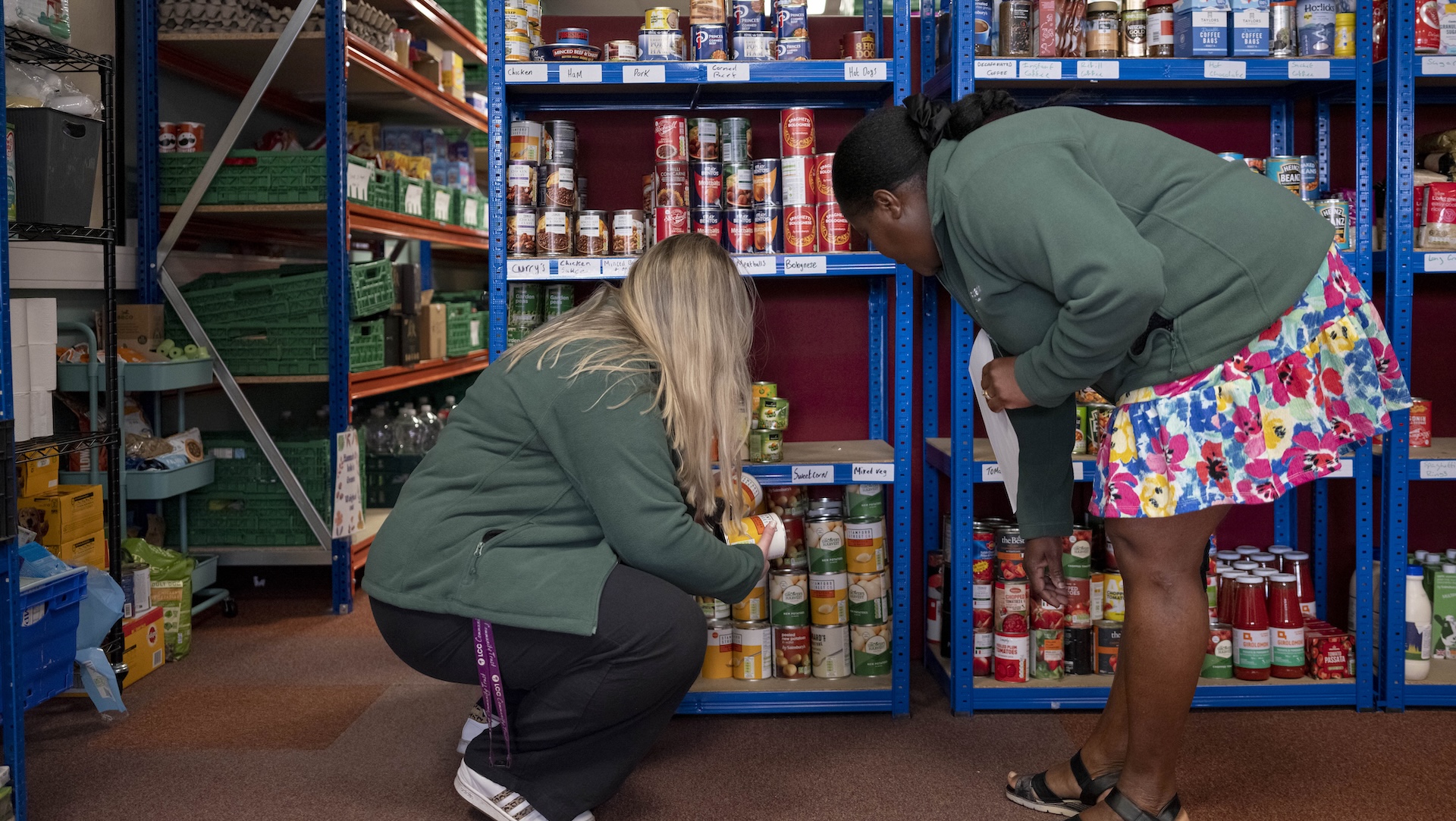
Rising food, housing and energy costs, driven in part by climate change, are putting extra pressure on budgets that are already stretched to breaking point. People referred to food banks have often recently faced a large and unexpected cost, such as the boiler breaking down or car needing to be repaired.
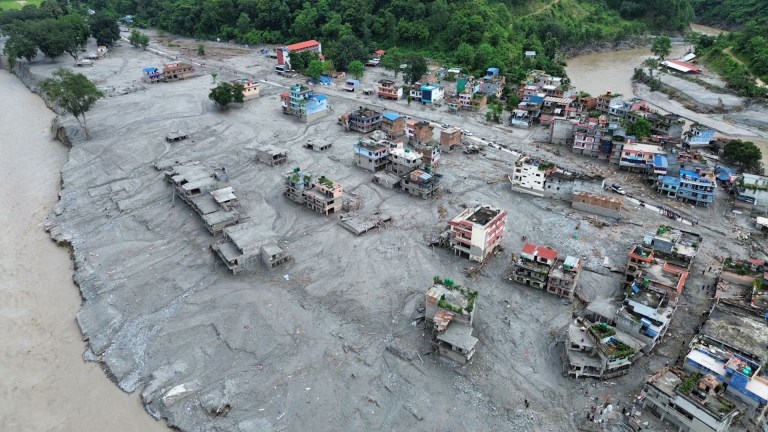
Unforeseen costs like these could become more frequent with climate change – whether it’s a severe storm inflicting property damage, or unseasonably wet weather like we’ve seen this winter causing flooding in people’s homes.
People already struggling to pay for the essentials will be less likely to afford climate-related insurance and more likely to be forced to turn to a food bank to get by.
Keep reading the journalism that powers our mission
Register free to continue and learn more about the stories, campaigns and the support we provide, helping people facing poverty across the UK.
We’re already seeing how this is playing out. For example, one person interviewed for the study recalled that after a flood, a child’s bed was ruined. The family did not have the money to buy a new one – so they would make it up using heaps of soft clothes.
Environmental change doesn’t put us all in the same boat. It just worsens the storm you’re in.
But here’s the good news: ensuring we have the building blocks in place that will end the need for food banks – making sure we can all afford the essentials, decent jobs and housing, stronger community support – all help protect people from hardship driven by climate change. And green solutions can help us get there.
Advertising helps fund Big Issue’s mission to end poverty
By making homes more resilient to extreme weather, we can reduce the impact of heatwaves, damp, and flooding. Solar panels and renewable energy can lower energy bills. Access to green spaces cools our cities and towns, while boosting mental health and strengthening communities.
Ending the need for food banks and tackling the climate crisis are challenges that can have shared solutions. It can be a win-win.
But for this to happen, we need decision makers to start connecting the dots and commit to transformational change that will protect both our environment and people facing hunger and hardship.
We need a fair transition to a greener economy, to help lift people out of hunger and reduce the need for food banks.
Green jobs, better public transport, renewable energy that lowers costs, energy efficient housing, green space – this is the meaningful action we need.
We’ll only reach this point when we look at the evidence, and listen to the people most affected. Together, we can build a fairer, greener UK where everyone has what they need to thrive.
Advertising helps fund Big Issue’s mission to end poverty
Helen Barnard is director of policy and research at Trussell and Mike Childs is head of policy at Friends of the Earth.
Do you have a story to tell or opinions to share about this? Get in touch and tell us more.
Change a vendor’s life this winter.
Buy from your local Big Issue vendor every week – and always take the magazine. It’s how vendors earn with dignity and how we fund our work to end poverty.
You can also support online with a vendor support kit or a magazine subscription. Thank you for standing with Big Issue vendors.