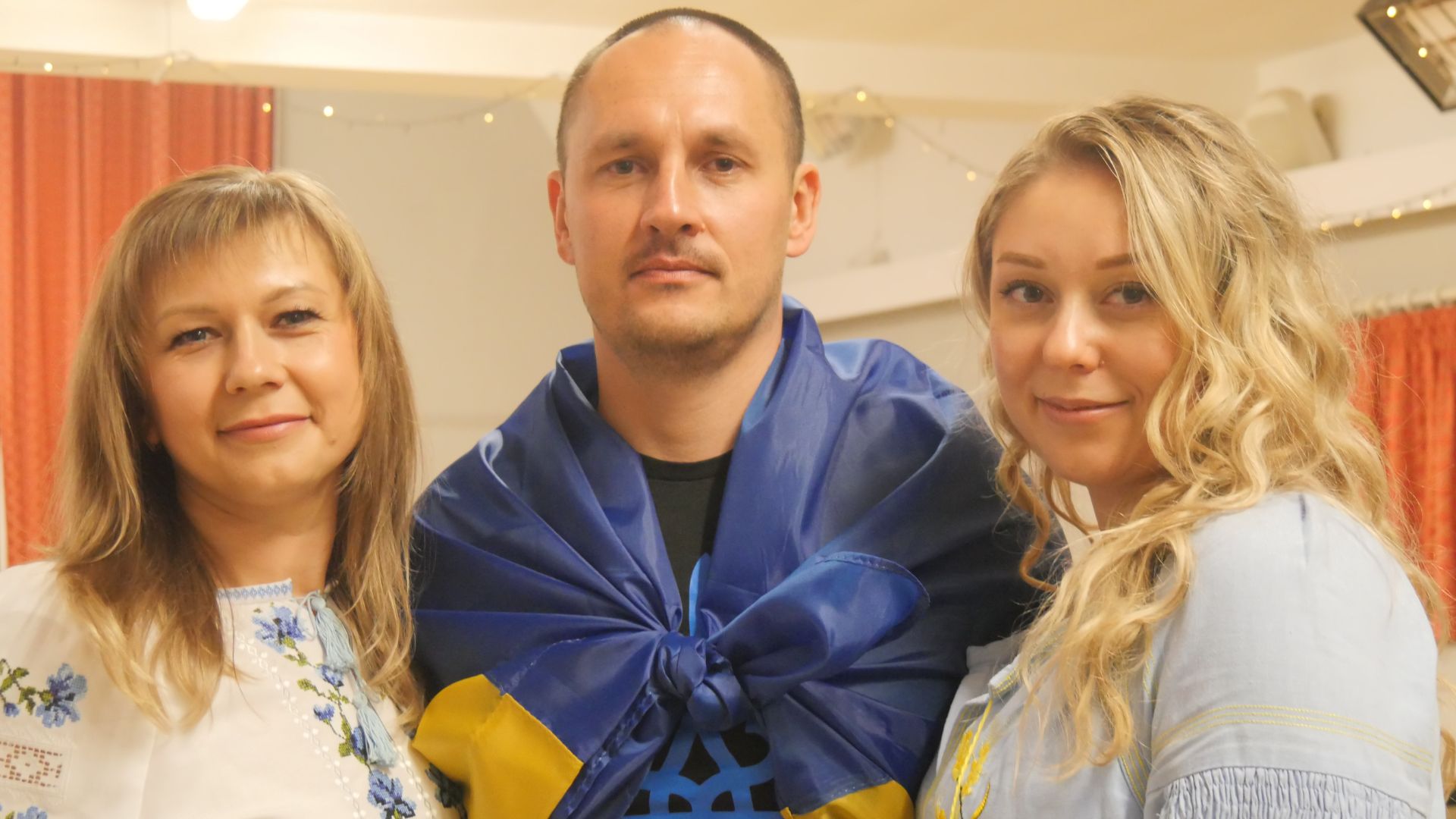
When the Homes for Ukraine scheme opened on 18 March 2022, nothing could have prepared us for the scale of kindness and generosity we were about to see. Although we’d been matching hosts with those in need of a place to stay since the Syrian refugee crisis in 2016, the number of responses we received was unprecedented, with 12,000 people applying to offer their spare rooms to strangers.
Amidst this outpouring of kindness, we saw firsthand the urgency and desperation of Ukrainians seeking to escape the bullets and bombs. While many of our initial guests had a connection to the UK – having studied or worked here or knowing other Ukrainians who already called it home – others were simply looking for any country offering a place of safety.
We were proud to join many other organisations in the sector to work with the Ministry of Housing, Communities and Local Government to put safeguards in place to protect everyone involved, but the process for participants in the Homes for Ukraine scheme had significant flaws.
Read more:
- Russia is ‘a threat to the whole world’, warns Ukrainian war hero: ‘Do not let the world forget’
- Meet the chefs braving Russian drones and gunfire to feed troops on Ukraine’s frontline
- I’ve been on the front lines of war for 11 years. But this video from Ukraine left me lost for words
Navigating the UK’s bureaucracy can be frustrating, even for those who have lived here their whole lives. For those fleeing war, who often don’t speak any English, applying for a visa, opening a bank account, and registering with a GP can feel like an insurmountable obstacle. A huge amount was expected from hosts to help guests find their ways around these systems.
The Homes for Ukraine scheme was set up as a rapid response to an unpredictable conflict, and difficulties were to be expected, but while many were ironed out with time, others were introduced by a Home Office that has consistently made life harder for refugees in the UK.