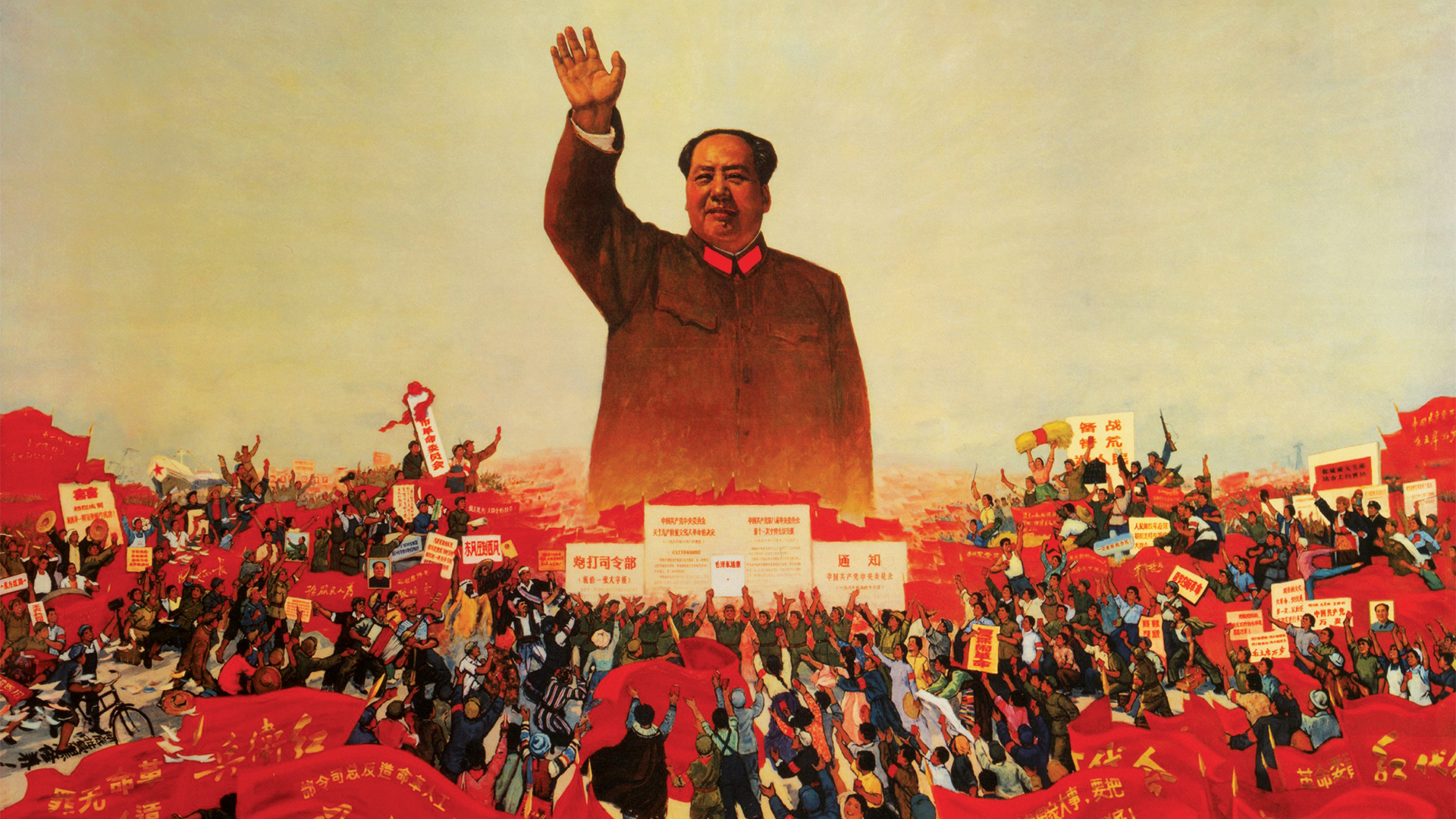
A few years later, in conversation with the sympathetic American journalist Edgar Snow, Mao likened himself to a monk with an umbrella. Snow thought Mao was saying he felt like a lonely monk in a rainstorm. Mao was actually quoting a Chinese pun. A monk with an umbrella is someone with ‘no hair and no sky’, wufa wutian, a homonym for the expression ‘neither law nor heaven’ – utterly lawless.
Trump has no wit or talent for riddles. But he did once boast that he could “stand in the middle of Fifth Avenue and shoot somebody” and not lose any votes. He has also suggested that a president could order SEAL Team Six to assassinate a political rival and allegedly asked why the army couldn’t fire on protesters – “Just shoot them in the legs or something?”
For his part, Mao sat by as the youthful loyalists who called themselves Red Guards massacred civilians, the People’s Liberation Army massacred Red Guards, and other civilians massacred still other civilians.
Read more:
Mao was just as much of a megalomaniac as Trump, just as lacking in empathy and intolerant of criticism. But he was a more intelligent and interesting thinker, more original, well-read and articulate. He also drew the sort of million-strong crowds that Trump could only dream of – or lie about.
Mao was a revolutionary, Trump a reactionary. Mao wanted to destroy the old world to build an imaginary new, communist future. Trump wants to destroy the new to restore an imaginary white Christian past. Mao was as determined to wipe out ‘bourgeois’, ‘reactionary’ culture as Trump is to wipe out ‘woke’ culture, although Mao at least knew what the words he used meant.
Advertising helps fund Big Issue’s mission to end poverty
China’s Cultural Revolution was one of the most outstanding examples of national self-harm in the history of the world. It took a wrecking ball to China’s cultural heritage and educational and scientific institutions. By the time it ended with Mao’s death in 1976, 1.7 million people had been killed or driven to suicide.
One of the few times Mao stepped in to stop the killing happened in July 1968. Rival Red Guard groups had been battling it out on the campus of one of Beijing’s top universities for over three months with everything from automatic weapons to homemade tanks. Bodies were stacking up, and the violence was spilling out onto the streets.
Mao sent in tens of thousands of workers to calm the students down. When they finally succeeded, Mao rewarded them with a basket of mangoes that a visiting Pakistani dignitary had given to him. The mangoes, touched by Mao, were so sacred the workers decided not to eat them but preserve them in formaldehyde. China was swept by a brief but intense burst of mango worship, complete with mango-themed quilt covers and mango-flavoured cigarettes.
For all its horror, the history of the Cultural Revolution does contain some delightfully bonkers moments.
With Trump now ‘running’ Venezuela and threatening to forcibly annex Greenland and who knows what else by the time this is published, all I can say is, can the rest of us at least get something as nice as mango-themed quilt covers out of all this madness?
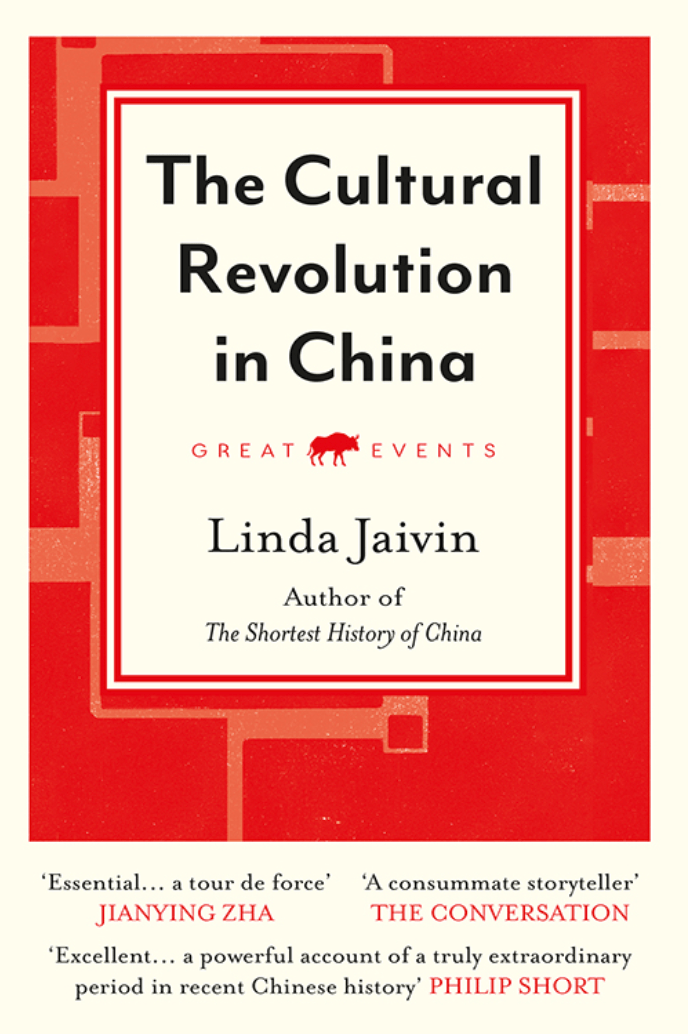
The Cultural Revolution in China by Linda Jaivin is out now (Old Street, £8.99). You can buy it from the Big Issue shop on bookshop.org, which helps to support Big Issue and independent bookshops.
Advertising helps fund Big Issue’s mission to end poverty
Do you have a story to tell or opinions to share about this? Get in touch and tell us more.
Reader-funded since 1991 – Big Issue brings you trustworthy journalism that drives real change.
Every day, our journalists dig deeper, speaking up for those society overlooks.
Could you help us keep doing this vital work? Support our journalism from £5 a month.