Advertising helps fund Big Issue’s mission to end poverty
Books

David Bowie's late revival was heroic, in a very English way

New book Lazarus is the story of David Bowie's comeback from the creative doldrums

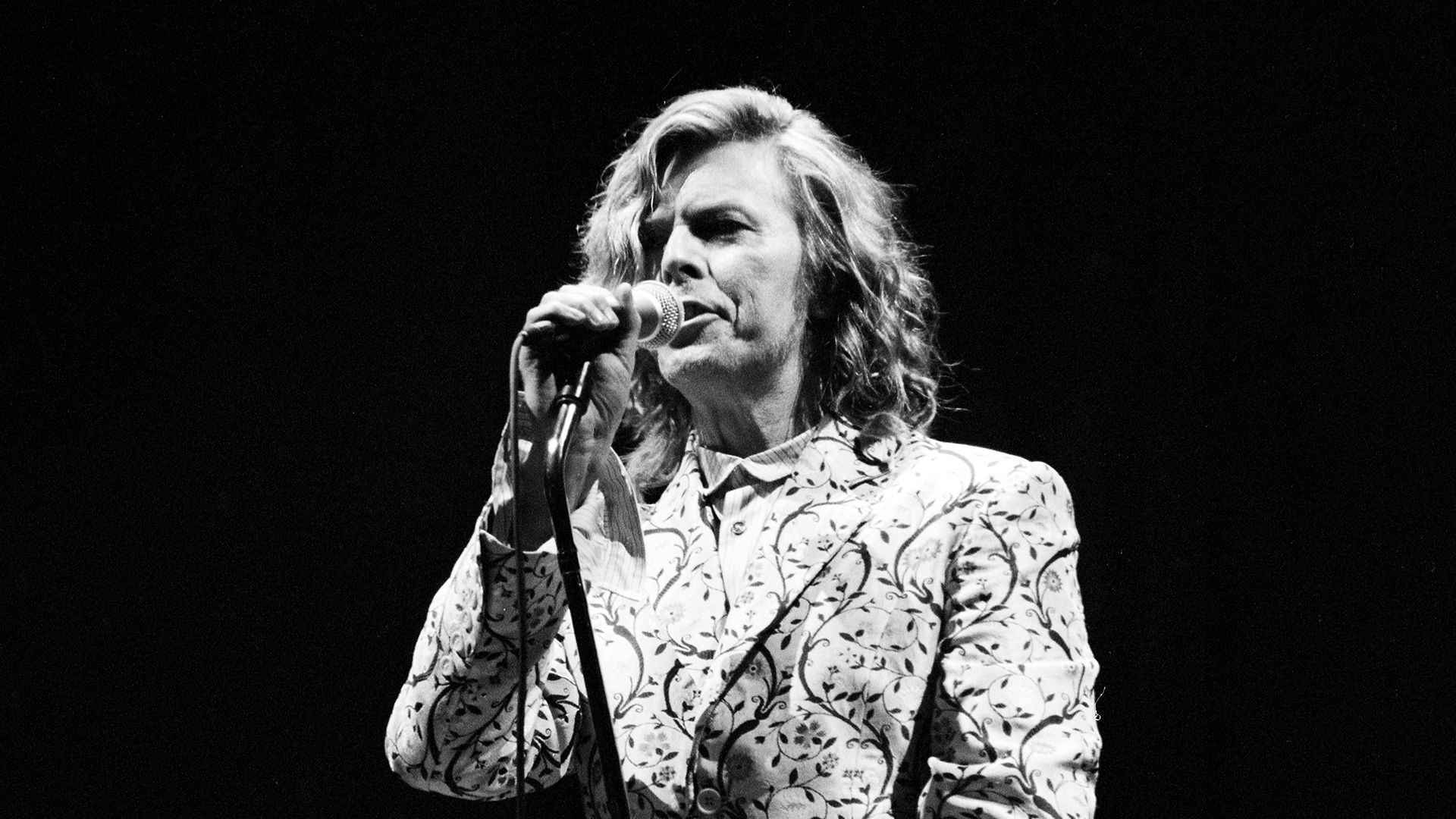
Photo: Julian Makey / Shutterstock

Ten years since David Bowie died – or, as I prefer to describe it, the Starman returned home, his mission on Earth completed – there has been no lessening of his popularity. This has been aided by some canny marketing from his estate and record company, ensuring an endless stream of reissues, live albums and compilations.

Bowie remains as iconic and beloved a figure now as he was when he was alive. So why, exactly, did I write a book about the Thin White Duke that begins with him a washed-up has-been, a subject of mockery rather than adulation? 

As a fully paid-up fan – I may not have a tattoo of my idol but I gave my daughter Rose Bowie as a middle name when she was born five days after his death – I thought I knew all the stories about his heyday between his rise to fame with “Space Oddity” in 1969 and the all-conquering Let’s Dance album in 1983 which briefly, and ridiculously, saw this quirky Brixton boy turn into the biggest pop star in the world.

Read more:

Other biographers have written incisively, and authoritatively, about Bowie’s ‘imperial period’, in which he kept changing personae at breathtaking speed, produced some of the greatest albums of the 70s and (early) 80s, and lived an otherworldly lifestyle that blurred the boundaries between musician and artistic creation. 

Yet there was something missing. Things had been going wrong ever since Let’s Dance, as Bowie, briefly seduced by the opportunities available to him, became lazy and unfocused, producing the terrible Never Let Me Down album in 1987 (complete with Mickey Rourke rapping, if you wanted to know how badly it’s dated) and sliding into self-parody.

Advertising helps fund Big Issue’s mission to end poverty

The music press, which had once idolised him, now turned on him. Bowie’s answer to this was to form Tin Machine, with the intention of just being ‘one of the guys in the band’. It flopped, spectacularly and embarrassingly. 

Failure dogged Bowie for years, and I have been necessarily unsparing in my depiction of the blind alleys and cul-de-sacs that the musician kept on taking in a quest to regain the success of his heyday. There were bad albums that were wrongly heralded as a return to form (1993’s Black Tie White Noise), good albums that were ignored (the same year’s The Buddha of Suburbia, which was marketed as a TV soundtrack despite being nothing of the kind) and the lingering embarrassment of being, as music critic Tom Hibbert once dubbed him, ‘Dame David Bowie.’

He could be wryly self-deprecating or bitterly resentful, depending on who he was talking to, but marriage to Iman, at least, gave him a personal happiness he had hitherto lacked. Then he regained his musical genius. 

What was so heartening about researching Lazarus was the discovery that Bowie bounced back from mediocrity relatively quickly. His doom-laden 1995 album Outside has dated very well and his ventures into film, art and, of course, the internet all showed that he was prescient and prophetic in equal measure, forecasting the rise of social media and mass connectivity, to say nothing of streaming music.

His grand return at Glastonbury in 2000 showed, finally, that Bowie had been welcomed back by his admirers, and a reunion with his long-standing producer Tony Visconti resulted in two acclaimed albums, Heathen and Reality

Nothing could go wrong until, that is, he nearly died of a heart attack on stage in 2004, and promptly retired. Many assumed he had gone for good, and rumours circulated about his departure being caused by terminal illness, even dementia. In fact, Bowie was taking stock of a fast-changing industry, and returned with a pair of magnificent farewell albums, 2013’s excellent The Next Day and 2016’s even better Blackstar, which was released, with brilliant serendipity, just two days before he died, and therefore became his epitaph. A collection of enigmatic yet accessible songs, it is now rightly regarded as one of his greatest achievements. 

I hope that Lazarus is a heartfelt celebration of Bowie, although not an uncritical one, and a salute to a man who rose from the figurative dead not once but twice: firstly when he seemed a sad parody of his former self, and secondly after he came closer to death than most of us would ever wish to.

I spent years working on the book, and I hope the result is a fair, comprehensively written account of an underexplored period in a remarkable man’s life. He was, in a very English way, heroic, tearing up expectations of music, gender, sexuality and persona, and inspiring millions. Telling his story has been both an honour and a pleasure. 

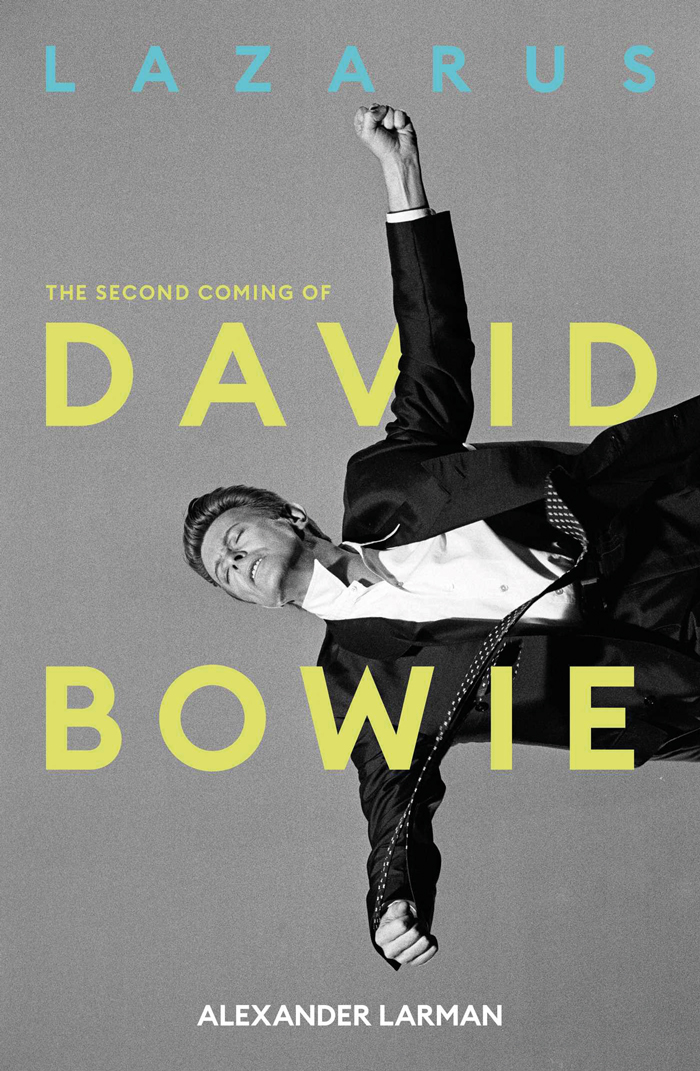
Lazarus: The Second Coming of David Bowie by Alexander Larman is out now (New Modern, £25).

You can buy it from the Big Issue shop on bookshop.org, which helps to support Big Issue and independent bookshops.

Do you have a story to tell or opinions to share about this? Get in touch and tell us more

Change a vendor’s life this winter.

Buy from your local Big Issue vendor every week – and always take the magazine. It’s how vendors earn with dignity and how we fund our work to end poverty.

You can also support online with a vendor support kit or a magazine subscription. Thank you for standing with Big Issue vendors.

Advertising helps fund Big Issue’s mission to end poverty

GIVE A GIFT THAT CHANGES A VENDOR'S LIFE THIS WINTER 🎁

For £36.99, help a vendor stay warm, earn an extra £520, and build a better future.
Grant, vendor

Recommended for you

View all
Top 5 female poets chosen by author, anthologist and editor Fiona Waters
Poetry

Top 5 female poets chosen by author, anthologist and editor Fiona Waters

Bad Bad Girl by Gish Jen review – a redemptive portrait of motherhood
Books

Bad Bad Girl by Gish Jen review – a redemptive portrait of motherhood

Borderline Fiction by Derek Owusu review – the wintering of a soul
Books

Borderline Fiction by Derek Owusu review – the wintering of a soul

Read Michael Rosen and Helen Oxenbury's new Christmas story, created especially for Big Issue
Exclusive

Read Michael Rosen and Helen Oxenbury's new Christmas story, created especially for Big Issue