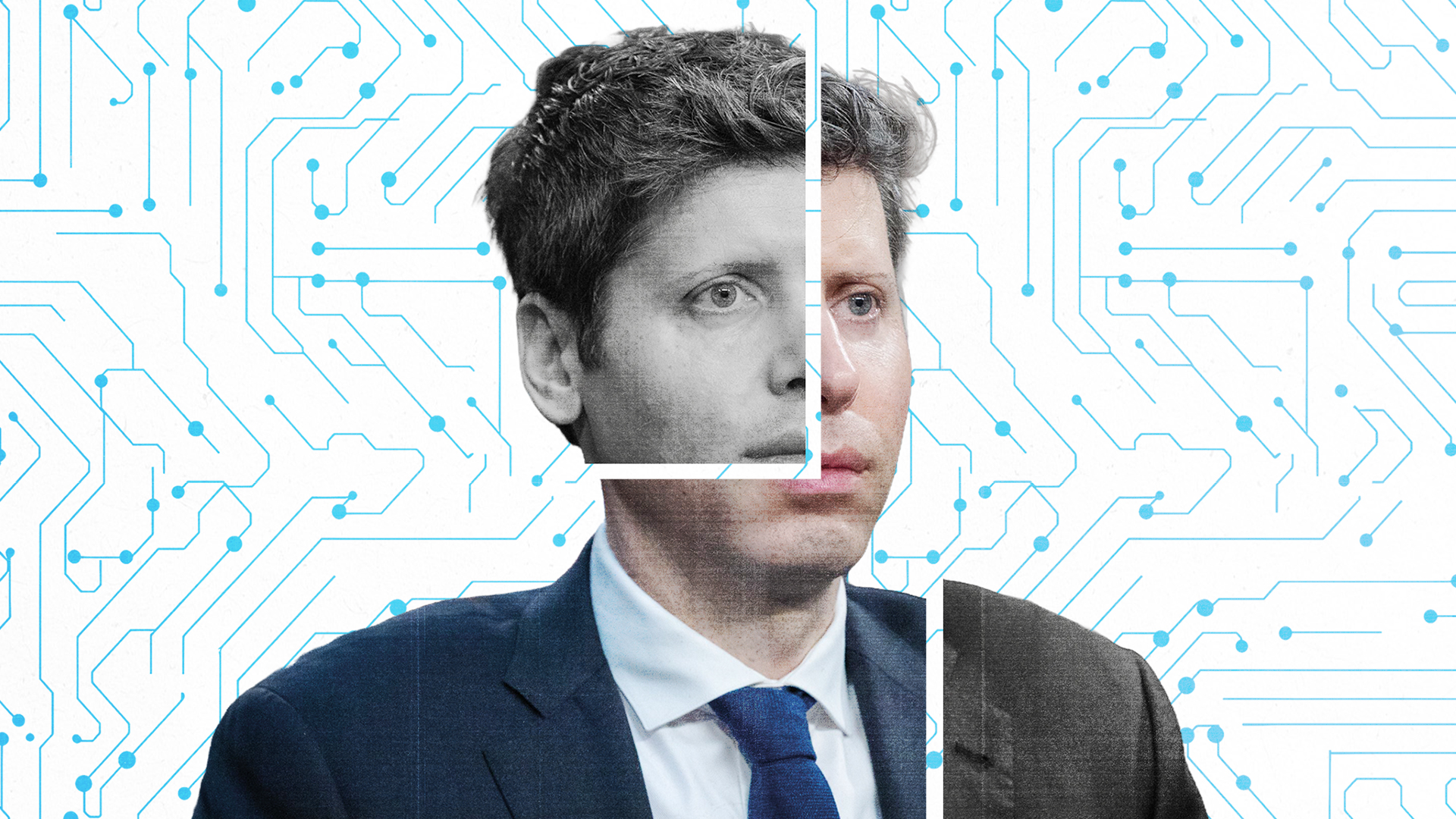
Elon Musk predicted machines will outsmart us this year. Dario Amodei from Anthropic says 2026 or 2027. Shane Legg from DeepMind: 2028. Jensen Huang from Nvidia: 2029. These are uncomfortably close dates for a potential apocalypse. Of course, not everyone agrees. Yann LeCun (until recently leading AI at META) thinks it might be decades away.
Read more:
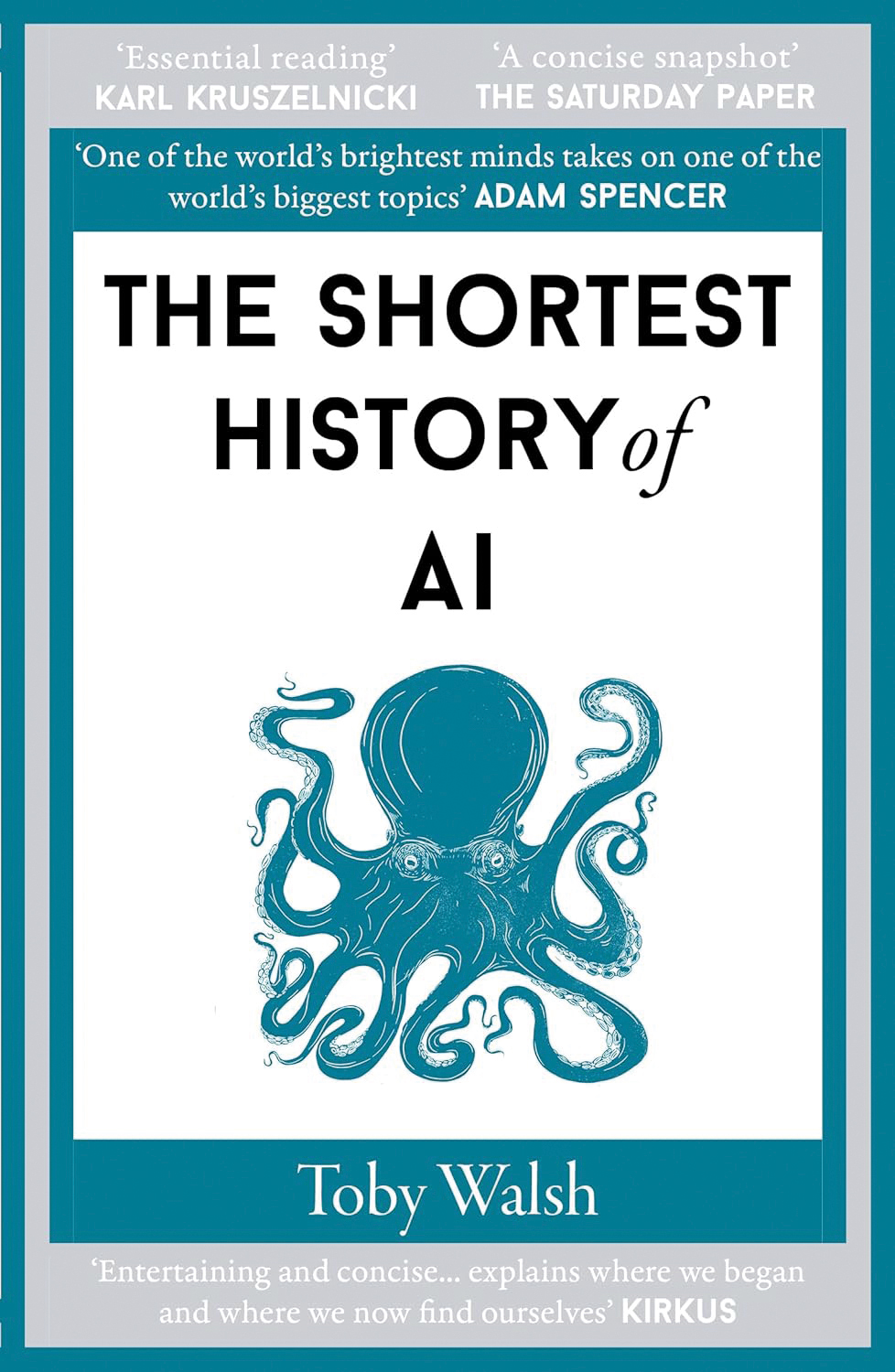
Before I wrote The Shortest History of AI I wrote another titled 2062, predicting AI would exceed human intelligence in about 40 years. That was a few years ago and, based on recent progress in AI, I might update the title today to 2042.
So whether you’re optimistic or pessimistic about the AI race, computers will likely match human intelligence in our children’s lifetimes, and possibly even in ours. And once they match our intelligence, they’ll likely surpass it. It would be terribly conceited to think otherwise. Human intelligence is just an evolutionary accident. Computers calculate faster, remember more, never forget, and already dominate chess, reading x-rays and folding proteins.
But there are three good reasons why I don’t fear super-intelligent AI.
First, intelligence will bring wisdom and humility. The smartest person knows how little they know.
Advertising helps fund Big Issue’s mission to end poverty
Second, we already have super-intelligence. Human institutions – corporations, governments – already possess greater than human intelligence. No one person knows how to build a nuclear power station or an iPhone. But the people working at Westinghouse and Apple collectively do. This collective super-intelligence hasn’t ended human affairs. In fact, quite the opposite.
Third, competition keeps intelligence in check. The eight billion human intelligences on the planet compete against each other, and that prevents any one intelligence from dominating. Apple and Samsung compete. Politicians and ideas compete.
So please don’t worry too much when you hear intelligent people warning about the existential risk of AI. Intelligent people assign a little too much importance to intelligence. Hang out at a university and you’ll see intelligence’s very real limitations.
Indeed, I welcome the arrival of AI that is smarter than us. It will accelerate science, transform education and liberate us from work that is dirty, dull, difficult and dangerous. I reckon it might even enhance our humanity. Human relationships will become more valuable.
Our super-power isn’t actually our intelligence but our society. AI might compose music like Bach or write sonnets like Shakespeare, but it won’t speak to human experiences such as love, loss and mortality.
I’m not underestimating the challenge we face. There are certainly many issues you should worry about. The AI bubble bursting. The impact of AI on jobs. And the corrosive effect of AI deepfakes and an AI mediated world of information and misinformation. To name just three problems caused by AI that will increasingly trouble us.
Advertising helps fund Big Issue’s mission to end poverty
One way or another, it’s going to be a wild ride.
The Shortest History of AI by Toby Walsh is out now (Old Street Publishing, £9.99). You can buy it from the Big Issue shop on bookshop.org, which helps to support Big Issue and independent bookshops.
The Age of AI exhibition is running at Bletchley Park museum until late 2026. For more information, head to www.bletchleypark.org.uk/event/the-age-of-ai/.
Do you have a story to tell or opinions to share about this? Get in touch and tell us more.
Change a vendor’s life this winter.
Buy from your local Big Issue vendor every week – and always take the magazine. It’s how vendors earn with dignity and how we fund our work to end poverty.
Advertising helps fund Big Issue’s mission to end poverty
You can also support online with a vendor support kit or a magazine subscription. Thank you for standing with Big Issue vendors.