BAFTA nominee Posy Sterling: 'There was a fire in me when I learned what women go through'
Posy Sterling has been nominated for the EE Bafta Rising Star Award for her performance in Lollipop. She chats to the Big Issue about the hopes she has that the film will ignite genuine change for women
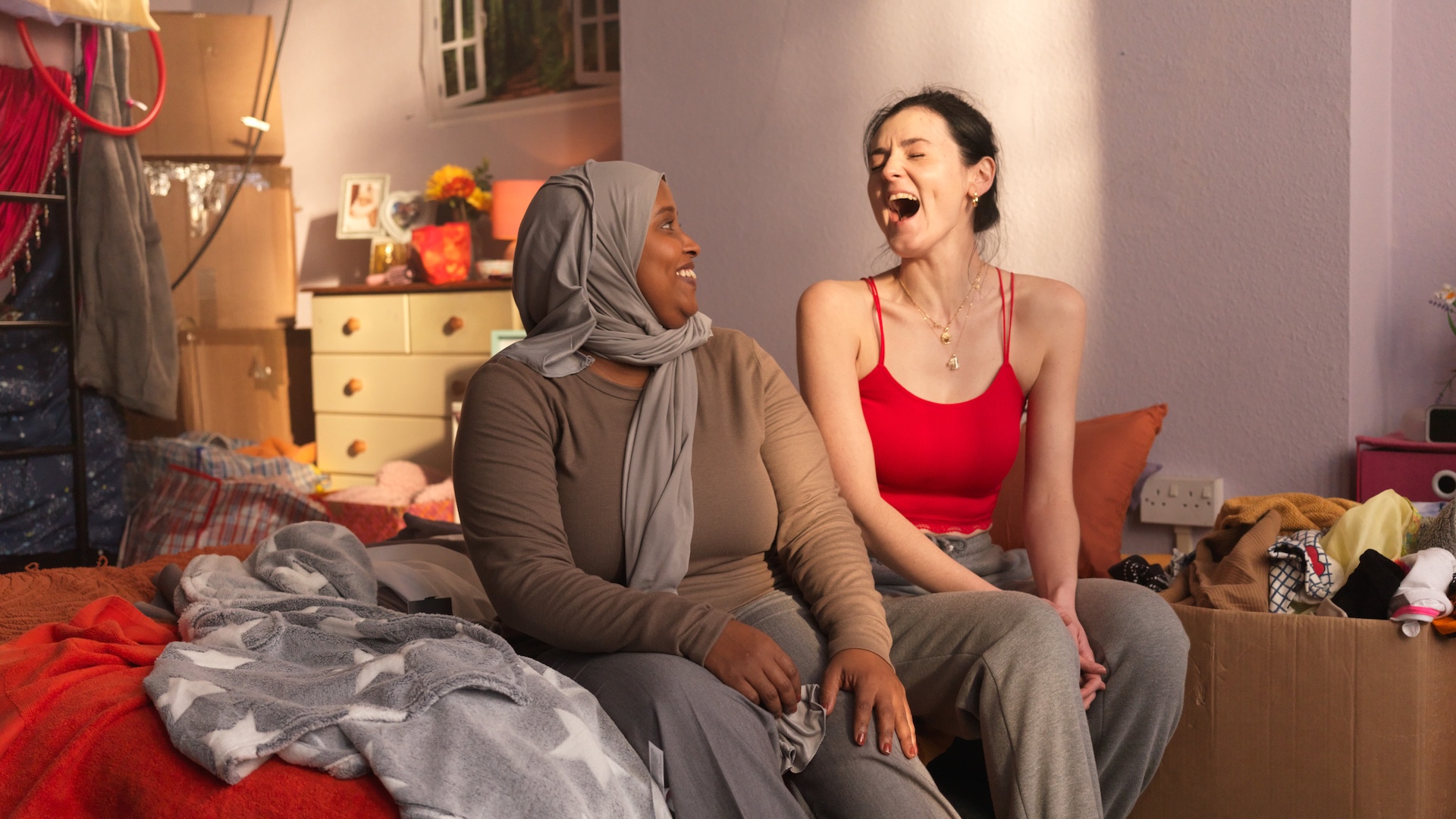
Posy Sterling (right) as Molly and Idil Ahmed as Amina in Lollipop. Image: Tereza Cervenova
Share
Posy Sterling has a talent that is hard to forget. Her performance in 2025 film Lollipop as Molly, a mother who leaves prison into homelessness and is refused custody of her children, is visceral and harrowing. But she also brings such warmth and joy to the role.
Sterling had previously featured in The Outrun, starring Saoirse Ronan, and ITV’s Trigger Point, although Lollipop felt like a real breakout role for the actor.
Independent social dramas like this one rarely get the recognition or box office success they deserve, but Sterling’s performance as Molly has won her a spot on the shortlist for BAFTA’s EE Rising Star Award.
Other nominees are Robert Aramayo (I Swear), Miles Caton (Sinners), Chase Infiniti (One Battle After Another) and Achie Madekwe (Lurker). And they are in good company – the winners of the last three years were David Jonnson, Mia McKenna Bruce and Emma Mackey.
“It’s pretty wild, isn’t it?” Sterling says in apparent disbelief as we chat over video call.
Advertising helps fund Big Issue’s mission to end poverty
Advertising helps fund Big Issue’s mission to end poverty
“I’m just very grateful, especially as it is for this film that highlights a lot of social issues in this country. I think it’s going to elevate that message. So, for that, I’m grateful. But for me, I’m just buffering, to be honest.”
Last year, I hosted a preview screening of Lollipop alongside its director Daisy-May Hudson. It was attended by women with experience of child removal, homelessness and the prison system, as well as people who work to provide support and fight for change.
It is hard to explain just how incredible the atmosphere was in the screening that day. “I don’t think so many tears have ever been shed in a cinema,” one woman said to me, while another described it as a “powerful, nuanced, beautiful film” and “a privilege to watch it with this group of people”.
It was empowering and hopeful too. There was a genuine sense that this film might lead to change. Women told me it was the first time they had seen their experiences represented on screen, and a lot of credit was given to Sterling’s performance.
There is one scene I find hard to shake. Sterling is in the council office and is told that there are no homes for her, which means she will not be able to regain custody of her children. She lets out an animalistic, painful howl. It felt like such a realistic representation of trauma.
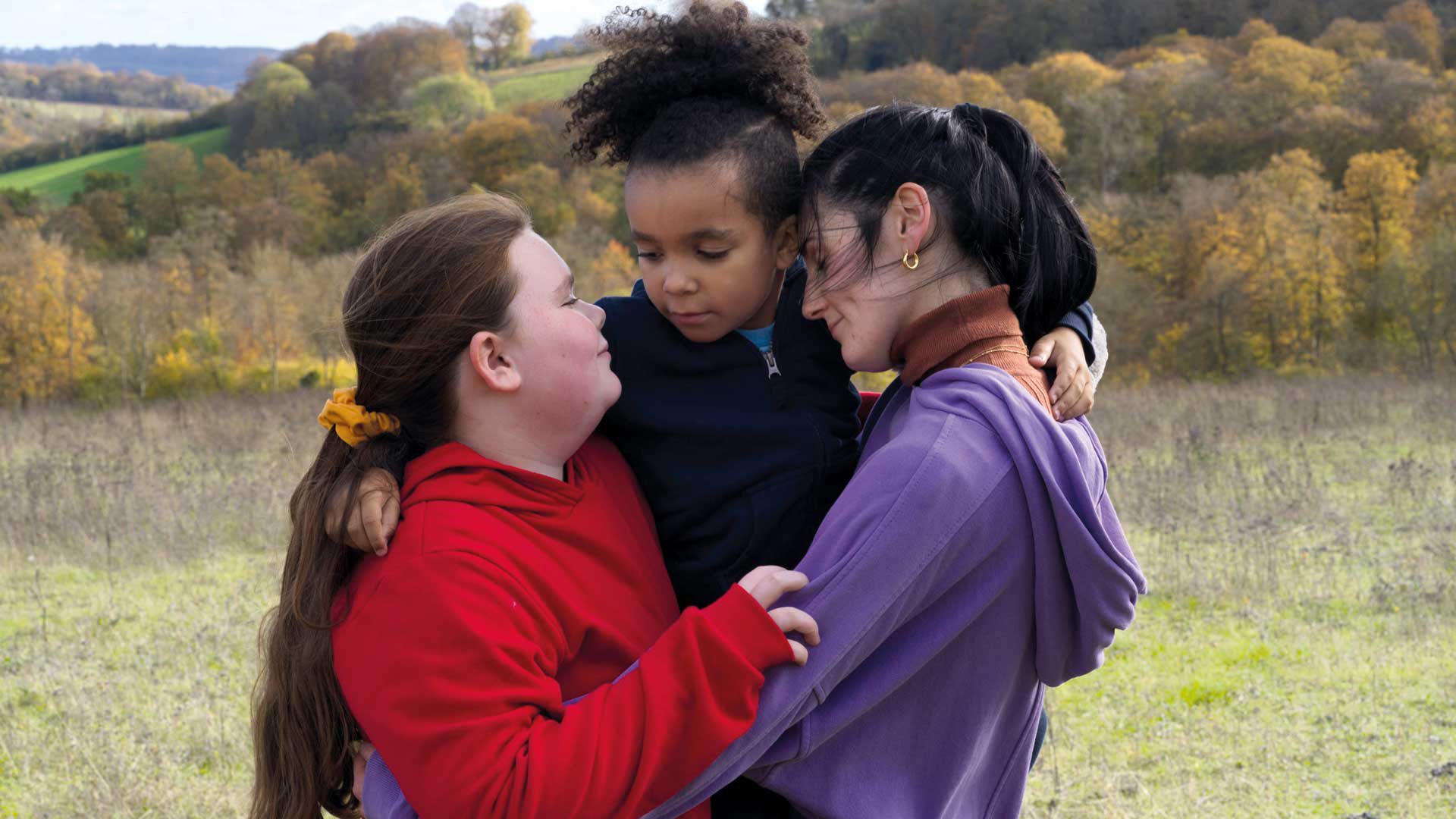
Posy Sterling as Molly in Lollipop, with Molly’s children Ava (Tegan-Mia Stanley Rhoads) and Leo (Luke Howitt). Image: Tereza Cervenova
Sterling starts to cry when I tell her what the film meant to some of those women.
Advertising helps fund Big Issue’s mission to end poverty
“Oh, you’re going to make me emotional,” she says. “For me, that’s the biggest recognition you could possibly get. I’m so grateful for the awards. It’s incredible. But this is the important stuff for me. I knew there was this really big responsibility with this, and I felt a duty to portray it as honestly as I could.”
Sterling worked closely with Emilia Rose Porter, the script informant for Lollipop, who had experience of the subjects explored in the film, to help inform her portrayal of Molly.
“There’s been so many incredible moments of connection where women have found themselves heard and seen and able to connect with other women. That happened throughout the whole process,” she adds. “It’s been one of the biggest privileges of my life to meet so many women and have that connection with them.”
Before she was cast in Lollipop, Sterling had been touring the country with Clean Break, a theatre company whose cast and crew are women with experience of the criminal justice system, in a play called Sweatbox. It invites audiences into the back of a prison van, and three women share their stories as they are transported between prison and court.
Sterling had researched the criminal justice system while working on the play and found herself overwhelmed with information which stunned her. “I couldn’t forget about it. I couldn’t ignore it,” she says.
“There was a fire in me when I learned about some of the things that women go through, and that stayed ignited. So when the script laid in my lap, it went ablaze. That sense of rage was quite easy to access. I felt so deeply connected to so many women all at once, and that’s just something I tapped into.”
Advertising helps fund Big Issue’s mission to end poverty
Sterling chooses not to share why she became involved in Clean Break, but she is keen to speak about the company’s importance in her life. She joined their Young Artist’s Programme in 2015 before attending the esteemed Italia Conti drama school, which had held a place for her.
“If it wasn’t for programmes like Clean Break, I don’t know if I would have had access into the industry. I’m very lucky that I got into a drama school and was supported in that to be able to do training. But in terms of professional work, that was through Clean Break.”
The third tour of Sweatbox was cancelled because of the pandemic, and it was turned into a short film. The casting director for Lollipop spotted Sterling through this and sent her the script for the film. She says she had a bodily, visceral reaction to it. She read the script seven times before she met Hudson.
“Who is Daisy-May?” she remembers thinking. “I need to know who she is. I feel like she might know me. That continued when we met. We were able to connect on this subject matter and through the character of Molly, because Molly is so many women’s stories.”
Hudson worked with Clean Break and cast women with lived experience of the criminal justice system alongside Sterling, which she says was “pretty cosmic”.
In January, the cast and team of Lollipop took the film to parliament – in a moment which felt like a real chance to have their voices heard and achieve change.
Advertising helps fund Big Issue’s mission to end poverty
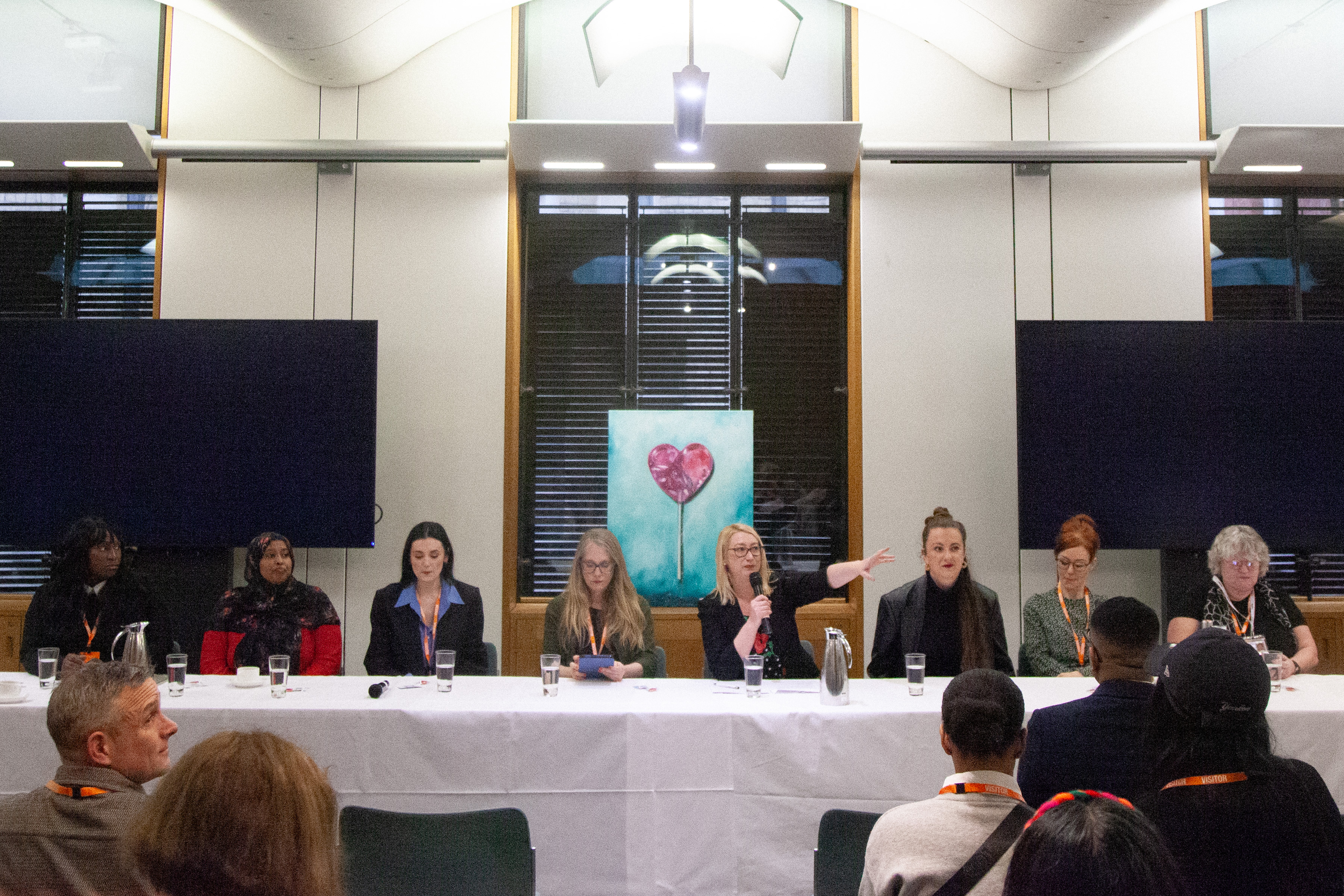
Parliamentary panel featuring the Lollipop team. Image: Patch Studio
A parliamentary panel was hosted by Labour MP Jess Asato and charity Birth Companions, bringing together policymakers, those with lived experience and charity workers. Clips of Lollipop were shown, and the panel discussed children’s social care, maternal imprisonment, housing provision and intergenerational cycles of trauma.
They identified six key action areas for policy change, including calling for an end to the imprisonment of pregnant women and mothers of young children.
“It was painful,” Sterling says. “We were playing painful clips. I couldn’t look at the screen. But it felt like direct steps that we were discussing and clear asks. I’m feeling hopeful.”
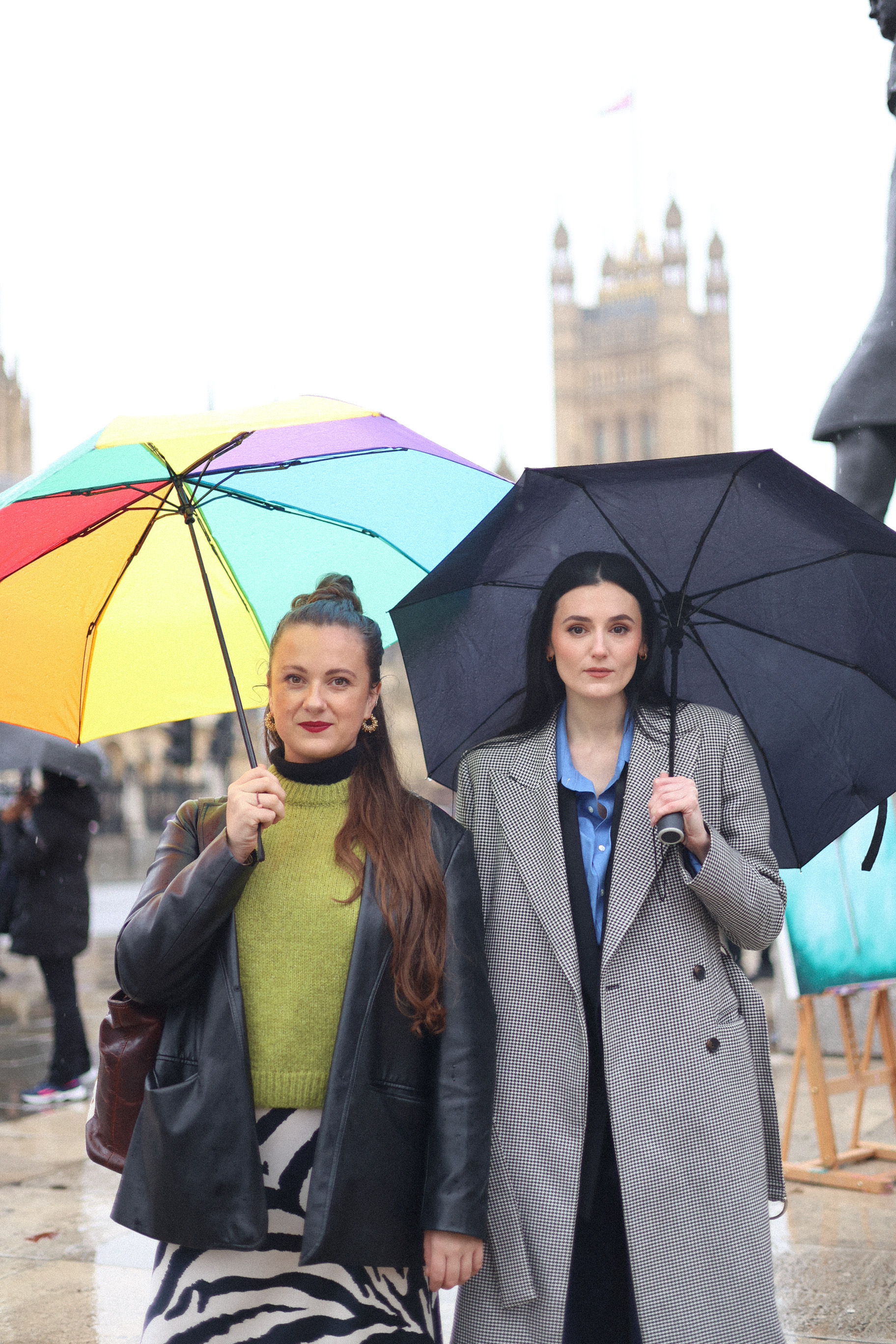
Daisy-May Hudson and Posy Sterling. Image: Patch Studio
Sterling was born in Manchester in 1992. She is one of the eldest of eight siblings, including stepsiblings. She moved around as a child, spending time in north London before moving to Market Harborough in Leicestershire, which she considers home.
When she was growing up, she loved to perform, but it never occurred to her that she might be able to do that for a living. Her grandfather, who was a major part of her upbringing, sold batteries for a job and he was one of the most creative people she has ever met.
“I didn’t necessarily conform or fully understand the school structure,” Sterling says.
Advertising helps fund Big Issue’s mission to end poverty
It’s why she founded Screen School, a series of workshops for young people in the East Midlands to help them express themselves and build confidence through screen work in some capacity. It became a safe space for people with special educational needs.
Over the last year, Screen School has been on a hiatus, but she has plans for it to grow.
“Sometimes the things that you experience in your life give you the fire to want to do something and give something back, and that’s been a great joy of mine,” she says.
Sterling’s next project is Channel 4’s Dirty Business, in which she stars alongside David Thewlis and Jason Watkins. It is a three-part series which focuses on a decade-long investigation into Britain’s water companies, telling the stories of whistleblowers and victims who believe their lives have been destroyed by sewage-polluted water.
Sterling plays Julie, a real woman whose daughter died in 1999, allegedly due to E. coli caused by untreated sewage that had been dumped into the sea.
It is another harrowing part for Sterling, another important one. “I’m still working though my emotions on it. But again, it’s a huge responsibility and I feel a duty to be as honest as I possibly can and communicate as best I can about it.”
Advertising helps fund Big Issue’s mission to end poverty
Sterling is proud to represent such powerful women – but she hopes to try other genres too one day. She would like to do a family-friendly film that her nieces and nephews can watch. She’s also “obsessed” with underdog sports films and dreams of playing a fighter.
It’s not hard to imagine. Molly has a lot of fight in her, and it feels like Sterling does too.
When I ask what young Posy would think of her success, Sterling says: “My grandpa instilled affirmations into me every day. I have a belief system, although sometimes the world might try to prove you otherwise. I want to share it all with my grandparents who are no longer with us, but I feel them with me. And I feel really proud of her that I kept going.”
Advertising helps fund Big Issue’s mission to end poverty
Buy from your local Big Issue vendor every week – and always take the magazine. It’s how vendors earn with dignity and how we fund our work to end poverty.