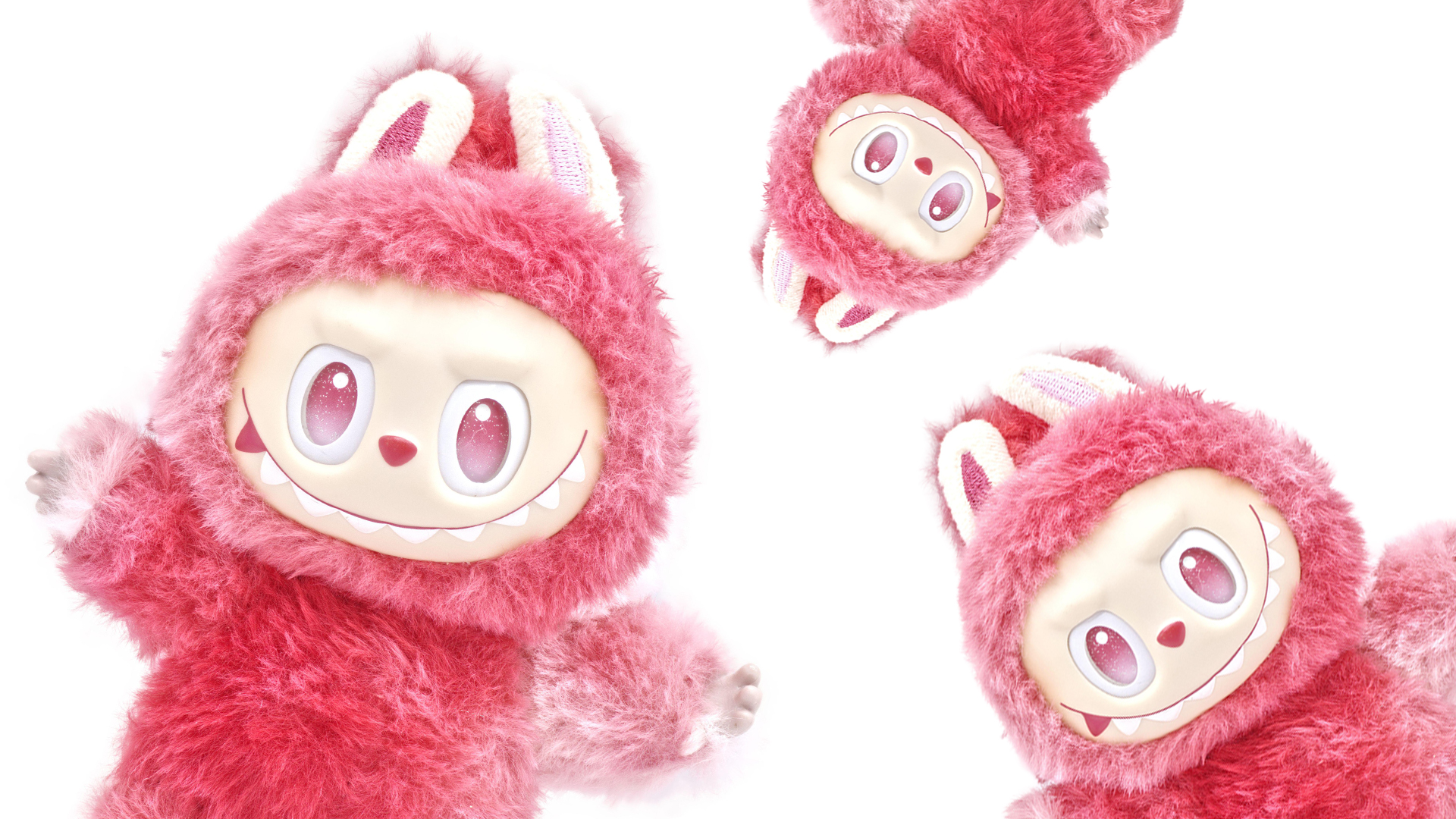
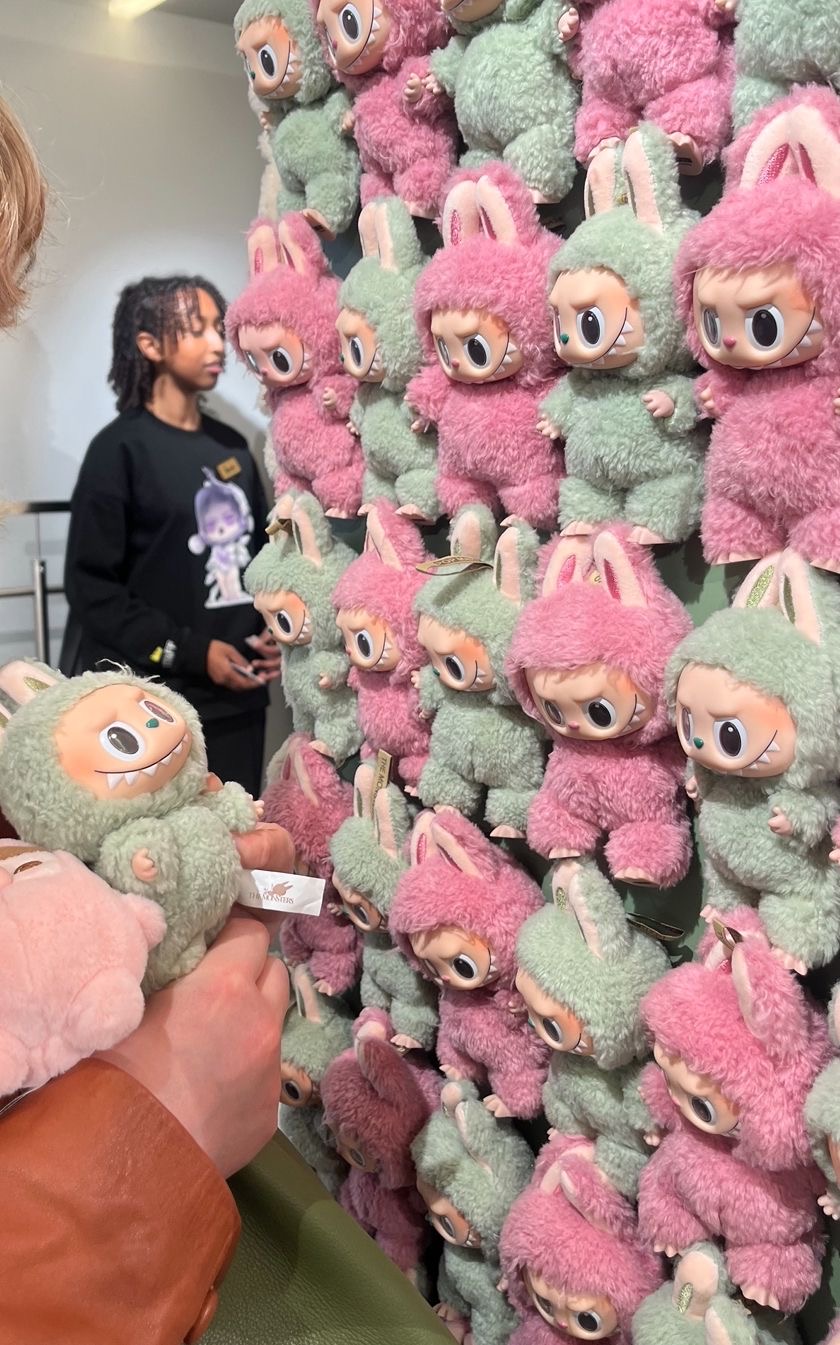
Instructions for Santa’s elves in 2025: we want small plush toys with round fluffy bodies, gruesome grins and spiky teeth, rabbit ears, large wholesome eyes and keychains to hang on our bags. We want Labubu dolls.
A craze swept the world this year as adults and children sought to get their hands on these strange furry things which look a little like rabid bunnies (but cute). People have queued for hours for Labubus and sometimes pay thousands, even tens of thousands, for limited editions and rare kinds. How did we end up here?
Labubu has existed since 2015, created as a character by Hong Kong artist Kasing Lung for his picture book series The Monsters. Toy company Pop Mart partnered with Lung to produce the first line of collectible Labubu dolls in 2019, but it only reached global fame last year, with the celebrity effect and TikTok needed for worldwide dominance.
Lisa from K-pop band Blackpink popularised Labubus when she posted hers on Instagram in April 2024. Since then, Rihanna, Dua Lipa, Kim Kardashian, Cher and members of BTS have been spotted with Labubus. David Beckham was bought a Labubu by his teenage daughter. Madonna had a Labubu birthday cake.
Clearly, celebrity interest was a catalyst, says Laura Chamberlain, professor of marketing at Warwick Business School. “It moved them from being seen as a toy to fashion accessory and then a status symbol. That captured people.”
Pop Mart engineered scarcity through limited editions and ‘blind boxes’, so the Labubu you got was a surprise. Unboxing videos went viral on TikTok and algorithms promoted the content.
Advertising helps fund Big Issue’s mission to end poverty
Advertising helps fund Big Issue’s mission to end poverty
Labubu also tapped into the current context. They offered escapism and nostalgia, and the ‘ugly-cute’ aesthetic is on trend. Plus, whether you love or hate Labubus, they spark conversation – even featuring on an episode of South Park.
“Labubu’s ugly-cute appeal feels counter to that polished perfection aesthetic on Instagram. For younger generations, there’s something about imperfection speaking to authenticity, which I think is also very appealing in the current context. It’s almost like a counter-cultural movement,” explains Chamberlain.
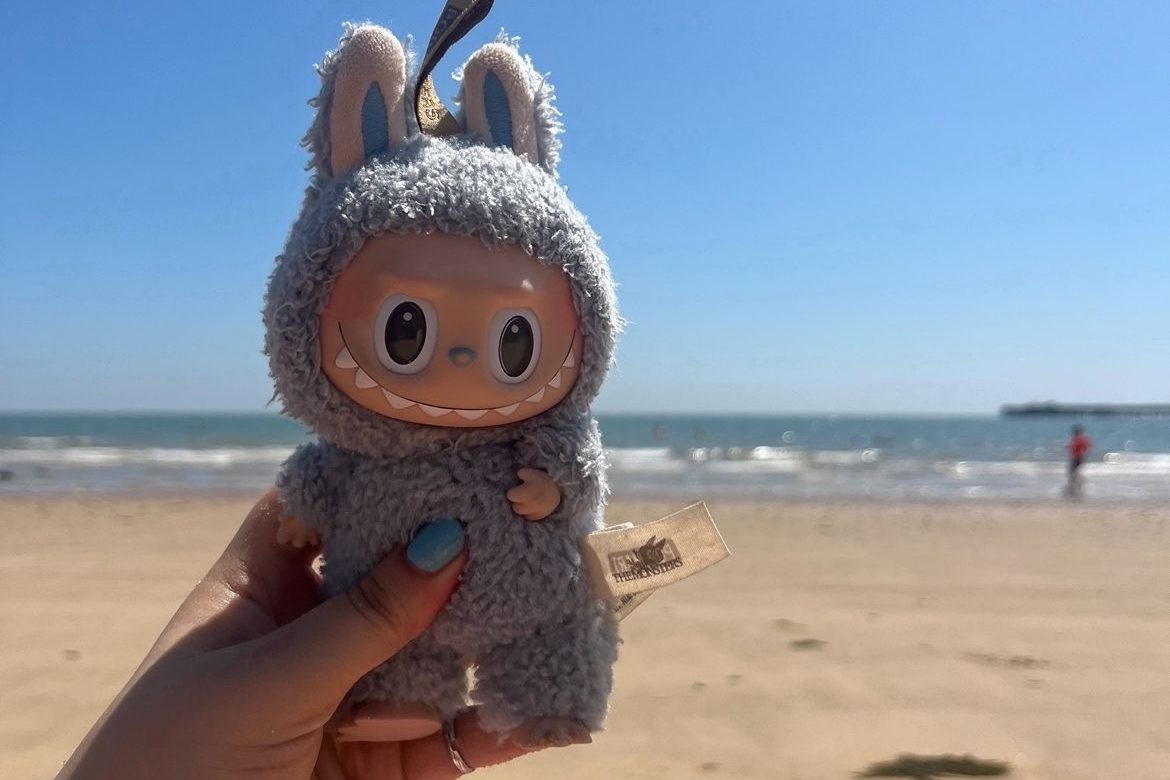
One of Amaya’s Labubus at the beach. Image: Amaya
Amaya, a 27-year-old Labubu fan based in London, was “ahead of the curve” and discovered the plushies last year. She had bought other items from Pop Mart, and she noticed that Labubu was becoming a sensation in parts of Asia and “very fashionable people were wearing them”. “That’s a bit of me,” Amaya thought.
“It’s interesting that they’ve become so mainstream because I considered it to be a niche subcult. I think even the aesthetic of it doesn’t have a broad appeal. I would have it on my bag and people would be like: ‘That’s disgusting. What is that thing on your bag?’”
For Amaya, Labubu “taps into the whimsy and excitement of the inner child”.
Advertising helps fund Big Issue’s mission to end poverty
“It unlocks that sense of childhood delight that reminds me of my favourite things as a kid,” Amaya says. While growing up, her most beloved toys were collectibles like Littlest Pet Shop and Sylvanian Families.
She enjoys displaying her Labubus in fun ways, with one propped up on her bookshelf like it’s reading, and some of them have clothes. She uses them as a fashion accessory too.
“I feel like Labubu is just a symptom of a wider epidemic of cute little things that are all the rage right now. It’s fun and silly and not everyone will get it, but there is something joyful about it,” Amaya says.
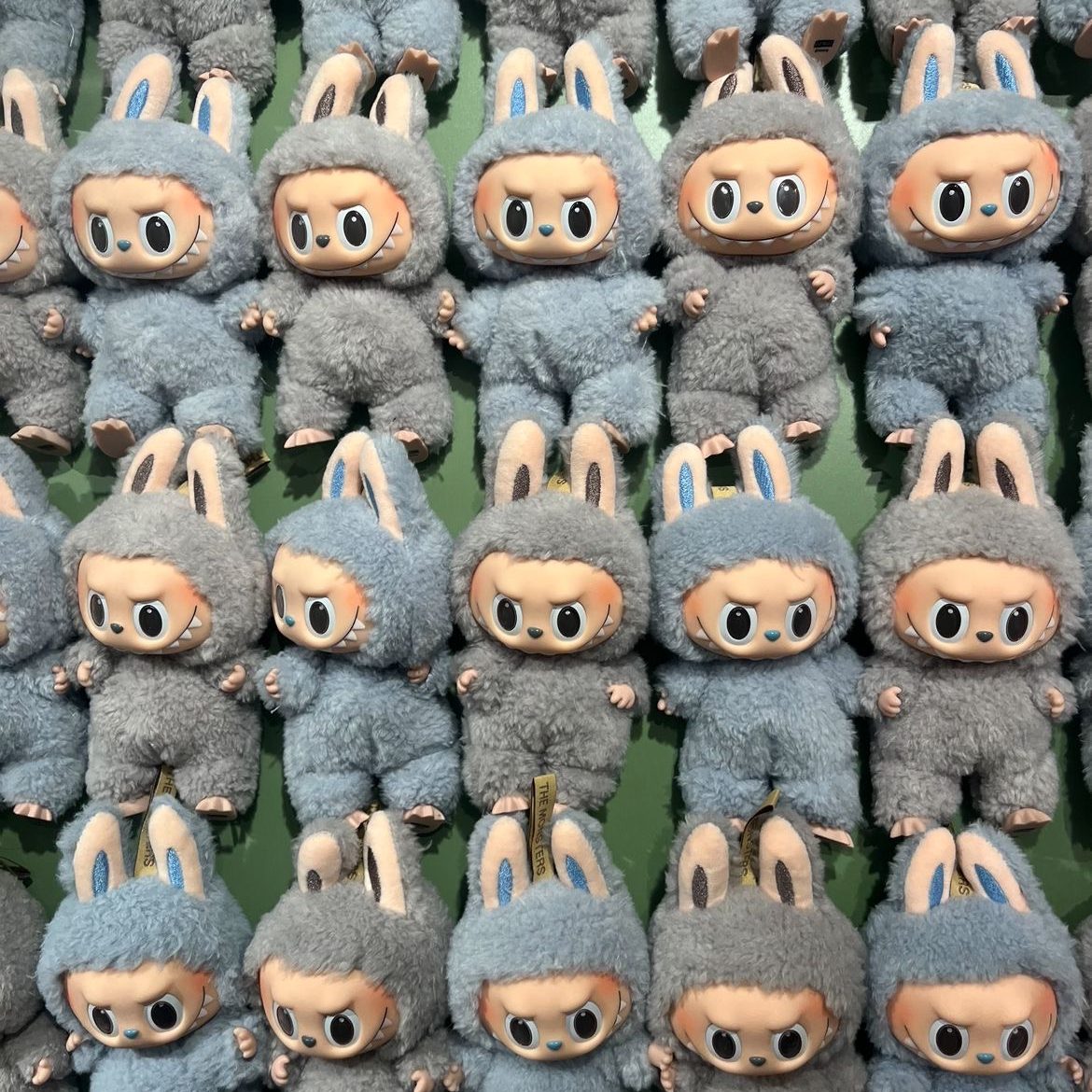
Labubus stacked up in a shop. Image: Amaya
Kirsten Cowan, senior lecturer in marketing at the University of Edinburgh Business School, points out that: “Fads aren’t a new phenomenon. Historically, items like Tickle Me Elmo, Pogs and Tamagotchis captured the public’s imagination.”
We might also think of Cabbage Patch Kids, Furbys, Troll dolls or Beanie Babies.
“What distinguishes modern fads, particularly those influenced by platforms like TikTok, is the speed and scale at which they gain popularity globally,” Cowan says.
Advertising helps fund Big Issue’s mission to end poverty
Chamberlain agrees, saying: “In terms of scale and speed, I don’t think we’ve ever seen anything quite like this before. Could it happen again?
The model is replicable. Other brands could use similar strategies – a distinctive character, celebrity endorsement, amplification on TikTok and controlling that scarcity element to maintain intrigue.
“But there is something around the mood of consumers and connecting with consumers on that human level that I don’t know if you can replicate in that formulaic way.”
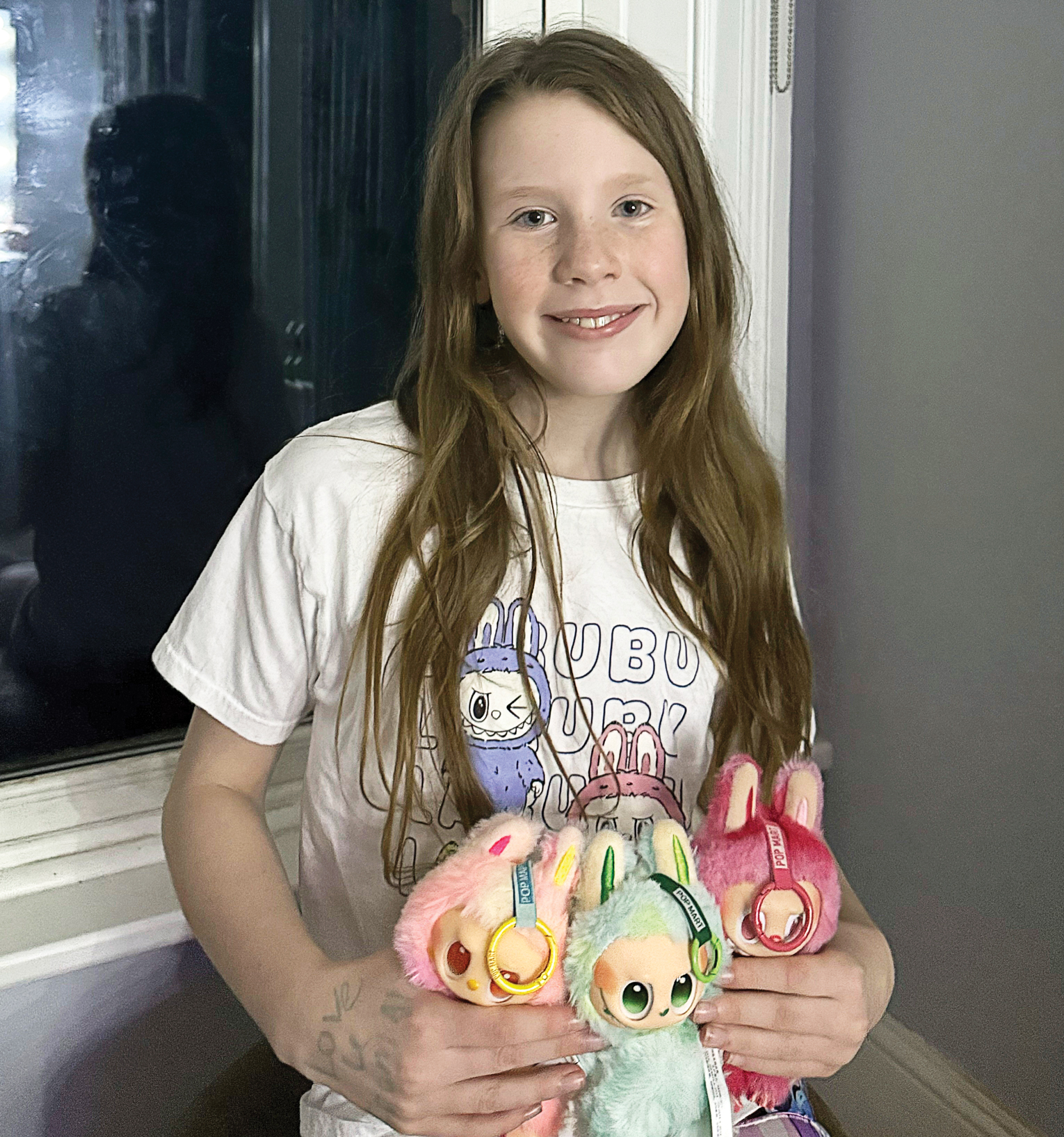
Sylvie with her Labubus
Children predictably love Labubus. Nine-year-old Sylvie says she enjoys “that you don’t know which one you’re going to get and that they come in a blind box with a little card”. She has three Labubus which she clips onto her school bag, as do most of the girls in her class. She recently made a presentation in school about her Labubus.
But it’s not only a trend for younger generations. Oliver Morrisey, an estate lawyer based in Australia, says he got “really into Labubu dolls because of the contradicting cute colours but scary faces”. He bought two at toy shop Hobbyco in Sydney, which he says “has always been a place for people with specific interests”.
“I think the speculative craze has cooled down for most of the common figurines and this is a good thing for true collectors,” Morrisey says. He deals with assets such as art and wine as well as items like figurines, and he says rare Labubus are seen as “significant collectible investments” and in that way are “similar to contemporary art”.
Advertising helps fund Big Issue’s mission to end poverty
“An asset retains its value due to demonstrated rarity and a strong community of buyers interested in acquiring the item, as opposed to simply a fad. As a result, these are unique components of modern pop art culture,” Morrisey adds.
Some people have compared Labubu’s blind boxes to gambling, because there is a chance of getting a rare and valuable kind, but this strategy has existed for generations in the toy industry – Pokémon cards being a prime example.
Labubus can also have other values. Art therapist and creative wellness specialist Dr Eleni Nicolaou has used the plushies in her therapy sessions and says it gives people “permission to be relaxed, unedited, and enjoy something that doesn’t require perfection. Labubus’ greatest attraction right now is emotional. The adults are so tired of pretending they’ve got things under control all the time. They’re ready to giggle at something goofy, to be able to let their hair down for a minute,” Nicolaou says.
Meanwhile, wedding planner Nicole Robins has seen some of her customers using Labubu to adorn wedding cakes and as table decorations. She has started collecting Labubus herself and finds them to be a “perfect combination of cute and disturbing”.
Having a Labubu gives people a sense of belonging, a powerful thing in the digital world.
Chamberlain says: “People will point a finger at things being algorithmically amplified, but actually it’s community. People want to belong to something, and owning the Labubu shows you belong to this social group of people who like the Labubus. It comes down to basic human nature and wanting to belong, which is as old as time.”
Advertising helps fund Big Issue’s mission to end poverty
But the fad is slowing down, and Labubus aren’t as popular as they were earlier in the year.
Pink and grey Labubus everywhere. Image: Amaya
Amaya says: “I do unfortunately think for the moment that the real frenzy has passed, and as with any trend that marks a moment in time, I think it will eventually become synonymous with cringe for people. Kids have a short attention span, and there will be a new trend.”
The Prime drinks trend, led by influencers Logan Paul and KSI, is another recent phenomenon – they also used scarcity tactics which led to long lines, sold-out stores and people re-selling the drinks for hundreds of times the price. But this was short-lived and sales have dropped significantly. Pop Mart could still bring in new ideas for a Labubu resurgence, however, and moments like Christmas bring opportunities.
Chamberlain explains: “They have a playground to make quite a lot of sales during the festive period, if they want to take that strategy. I’m sure that on lots of people’s letters to Santa, the word Labubu will be there.”
There are natural fears around Labubus and overconsumption and plastic waste, but for people like Amaya, they simply bring joy.
“Not everyone’s going to get it or think it’s a good investment, but as long as you’re not mass-buying them to scalp them and sell them on for crazy prices, like the Ticketmaster or Stubhub of the trinket world, then I think it’s harmless and kind of lovely.”
Advertising helps fund Big Issue’s mission to end poverty
Buy from your local Big Issue vendor every week – or support online with a vendor support kit or a subscription – and help people work their way out of poverty with dignity.
Advertising helps fund Big Issue’s mission to end poverty