In 2010, the so-called age of austerity was launched by the Conservative–Lib Dem coalition, amid a wave of striver v skiver rhetoric.
In November 2016, a United Nations inquiry had found that UK welfare reforms had led to “grave and systematic violations” of disabled people’s rights, highlighting concerns around the new personal independence payment (PIP), increase in benefit sanctions, and evidence of “significant hardship, including financial, material and psychological” experienced by disabled people undergoing benefit assessments.
Last year, in April 2024, prior to the general election, UN disability rights experts concluded that the UK government had made “no significant progress” in the more than seven years since its 2016 inquiry, noting that they were “appalled” by reports of deaths linked to benefit claims, which they say have a “disturbingly consistent theme”.
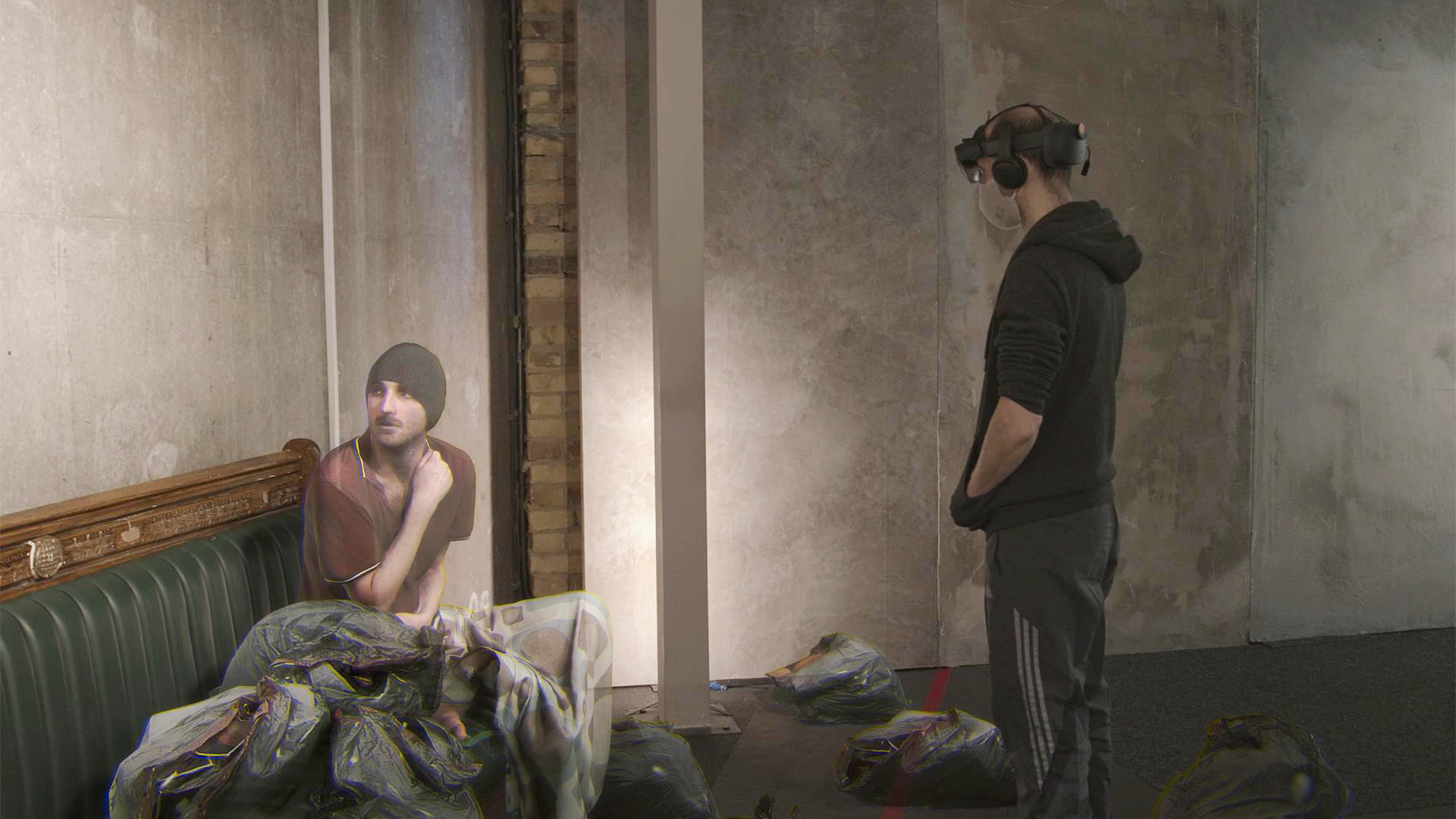
This “disturbingly consistent theme” is the subject of Museum of Austerity, a mixed reality exhibition showing at the Young Vic Theatre, from 5 December 2025. Made in collaboration with John Pring, editor of Disability News Service, Museum of Austerity juxtaposes striking holographic imagery alongside testimony of bereaved families who lost loved ones amid deeply difficult encounters with the benefit system.
Read more:
- ‘I’m praying’: From hope to fear, here’s how parents feel about the new child poverty strategy
- Revealed: MPs rack up huge taxpayer-funded rent expenses while pushing through cuts to benefits
- What we have learned after 15 years of universal credit – and what must change
Each family’s story told in the Museum is particular and personal: there are stories of brothers, sisters, mothers and fathers from across the country, yet all share the same underlying theme. In each case, the person who died, and the family they left behind, felt grievously let down by the state, when the safety net they expected to catch them was not there.