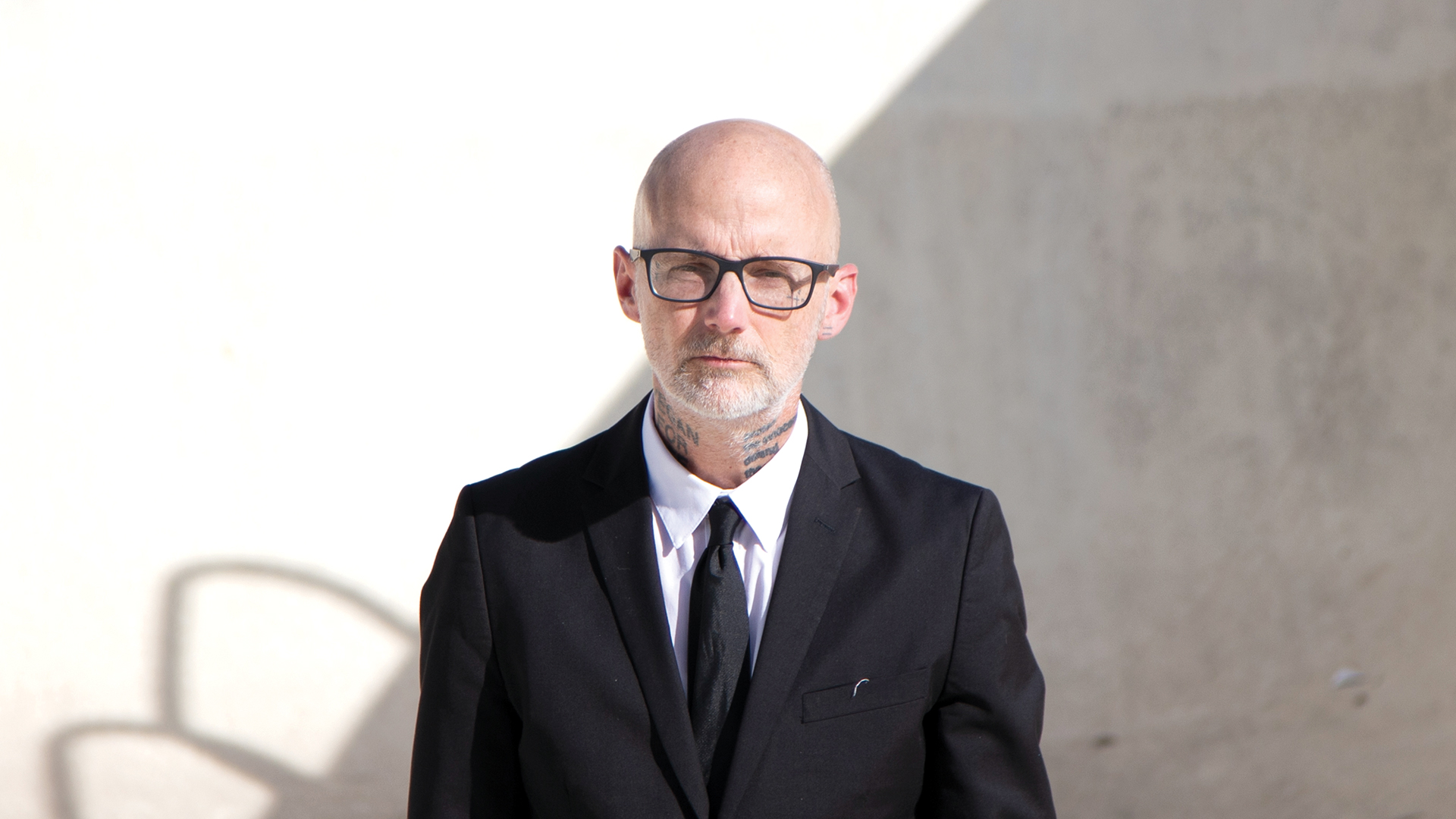
Moby was born Richard Melville Hall in September 1965 in New York City in September 1961. He played in a string of punk bands before turning to electronic music in the late ’80s. His breakthrough came with the 1991 UK Top 10 single Go. In 1993, his track Thousand was classified by the Guinness Book Of Records as the fastest single ever, climaxing at 1,015 bpm. His 1999 album Play propelled him to a new level of success, selling over 12 million copies and featuring the hits Why Does My Heart Feel So Bad? and Natural Blues. His albums since have shown his restless eclectism, with forays into punk, dance, rock, ambient and orchestral music. Outside of music, he is a noted animal rights activist.
In his Letter to My Younger Self, Moby reflects on a troubled childhood, obsession with music and his relationship with his mother.
Oh boy, at age 16 I can almost divvy my interests up as a 70/30 focus on the world. Seventy per cent was music. I was playing in a punk rock band, while also playing in a Joy Division-inspired new wave band. And I was obsessed with every single aspect of the world of music. I was obsessed with record stores. I was obsessed with college radio stations, with fanzines, with music magazines. Anything involving music was just so unbelievably exciting and fascinating to me. So that was 70% of my obsession, and the other 30% was having unrequited crushes on women in my high school.
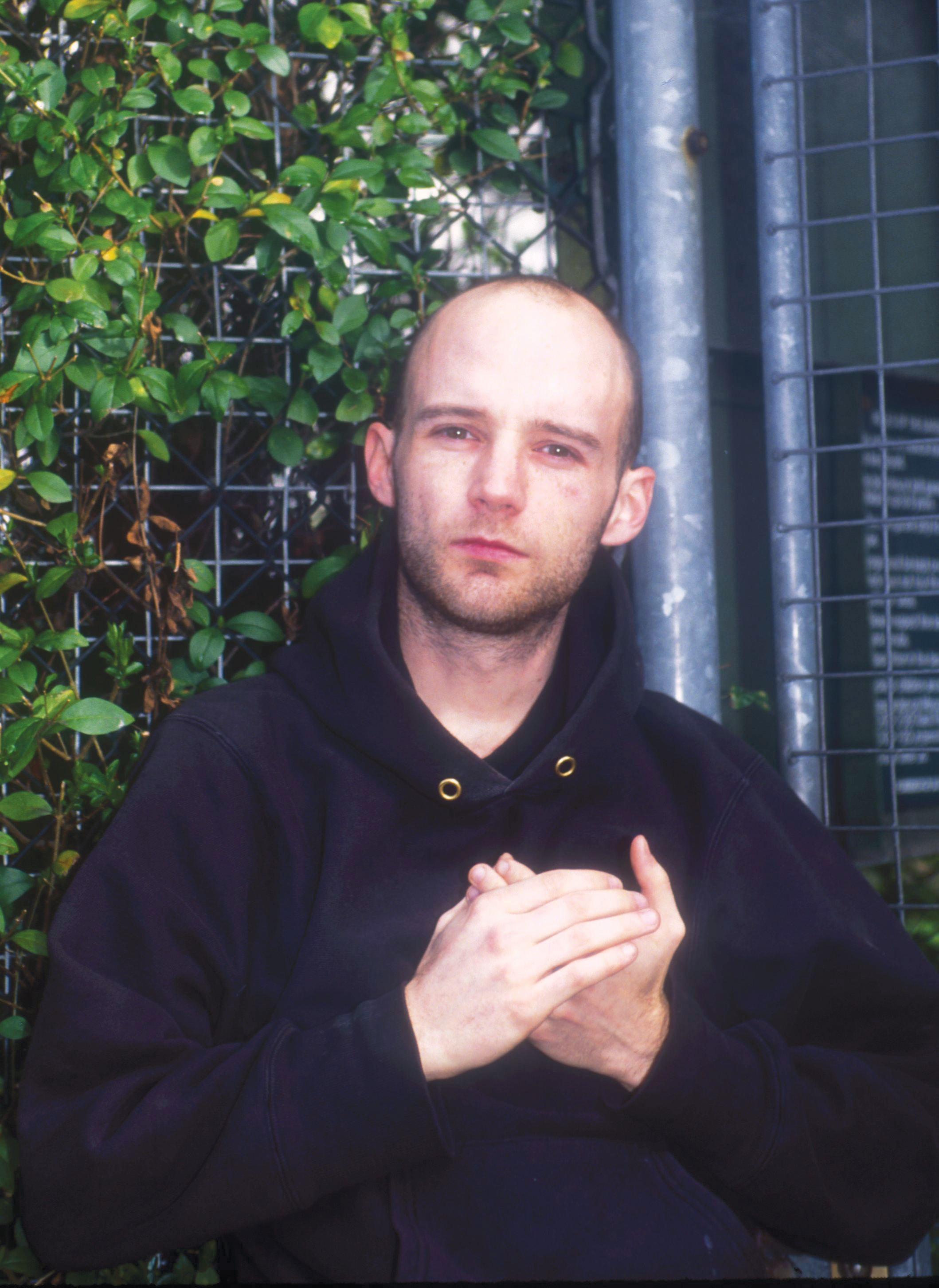
1995: Promoting third album Everything Is Wrong in London. Image: Andre Csillag / Shutterstock
I didn’t get my heart broken. See, in order to get your heart broken, you have to be in a relationship. I would just sort of be obsessed with someone from afar and have a crush. I think my longest crush in high school was probably 18 months. And I don’t think during that time, the person I had a crush on had any inkling that I liked them. I was way too scared to actually talk to them, so I would just sort of obsess from afar, and hope that maybe magically, I would be out one night listening to Joy Division on my Walkman, and they would happen to walk by, and we would fall in love.
I was not a difficult teenager. I think I was a good kid, especially in high school. I was straight-edge so I didn’t drink, I didn’t do drugs, I didn’t steal. I went to band practice, rode my bike around town listening to music, and sat in my room writing songs and listening to records. In hindsight, weirdly, my mom was much more like a troubled adolescent than I was. It wasn’t uncommon if I was studying for a test, my mom and her friends would be listening to music too loud, and I would have to go downstairs and ask them to turn the music down because I was studying.
Advertising helps fund Big Issue’s mission to end poverty
Advertising helps fund Big Issue’s mission to end poverty
My mom was deeply complicated. She’s one of the smartest, most creative people I’ve ever met, but also very… I don’t know what her diagnosis would be. Maybe she was borderline. I don’t know, but she would go from being happy, smart, creative to being incredibly depressed and angry, sometimes just at the drop of a hat. So there was a lot of tension in my house. At times it was great, and at times it was really challenging, and I never quite knew what I was going to get. When I think back to that 16-year-old, it’s like an insecure guy who lived in a sad suburb with a possibly mentally ill single parent. I hated it.
We were very poor. There were a lot of deaths and abuse in my family. My father killed himself when I was three. I’d say half of my family members died of something by the time I was 15. We were on government assistance, food stamps, on welfare in a very affluent town. So it was very strange. Up until the time I was 18, I had never met another poor person.
I liked climbing trees, but the reason I climbed trees was to get away from my house. The house, the home was terrifying at times. You know, my mom dated Hells Angels. There were guns, there were drugs, there was violence, there was abuse. So I was out running around, climbing trees, but just so I could avoid being home.
I wasn’t driven in terms of grand, professional aspirations, because I didn’t think that was in the realm of possibility. I didn’t know that success through creativity was even a possibility. So my ambitions were quite small. When I was 16, my biggest hope was that one of my bands would play a show and more than 10 people would show up. But we would rehearse and rehearse and rehearse and write hundreds of songs and obsessively work on what we were doing in the hope that more than 10 people might come to a show.
I remember our first gig, and it’s tragic, but hopefully kind of adorable. When we were 15, my high school band, Vatican Commandos, had been practising and practising, and decided it was finally time to play our debut show. We rehearsed probably a couple of hundred times, so thought, OK, we’re ready. We invited everyone we knew to our first show, and it was going to be in a field, because we rehearsed in a barn, and it was next to a field. It was a Sunday afternoon. We dragged our equipment into the field, taking three or four extension cords and linking them together, and we set up in the middle of the field. And, I’m not exaggerating, no one showed up. My first show was to an audience of one small dog. His name was Sparky, and the moment we started playing, he went back to his house. But to our credit, we played the entire show.
Advertising helps fund Big Issue’s mission to end poverty
I was a strange kid. I would dress up based on whatever type of music I had been listening to the night before. So sometimes that meant coming to school looking like I was the fifth member of Black Flag or Minor Threat. But if I was listening to Adam and the Ants, I would come to school with a scarf tied in my hair with a white stripe on my nose. If I had been listening to Orchestral Manoeuvres in the Dark, I would try to dress like someone in Vienna in 1932. So people were baffled.
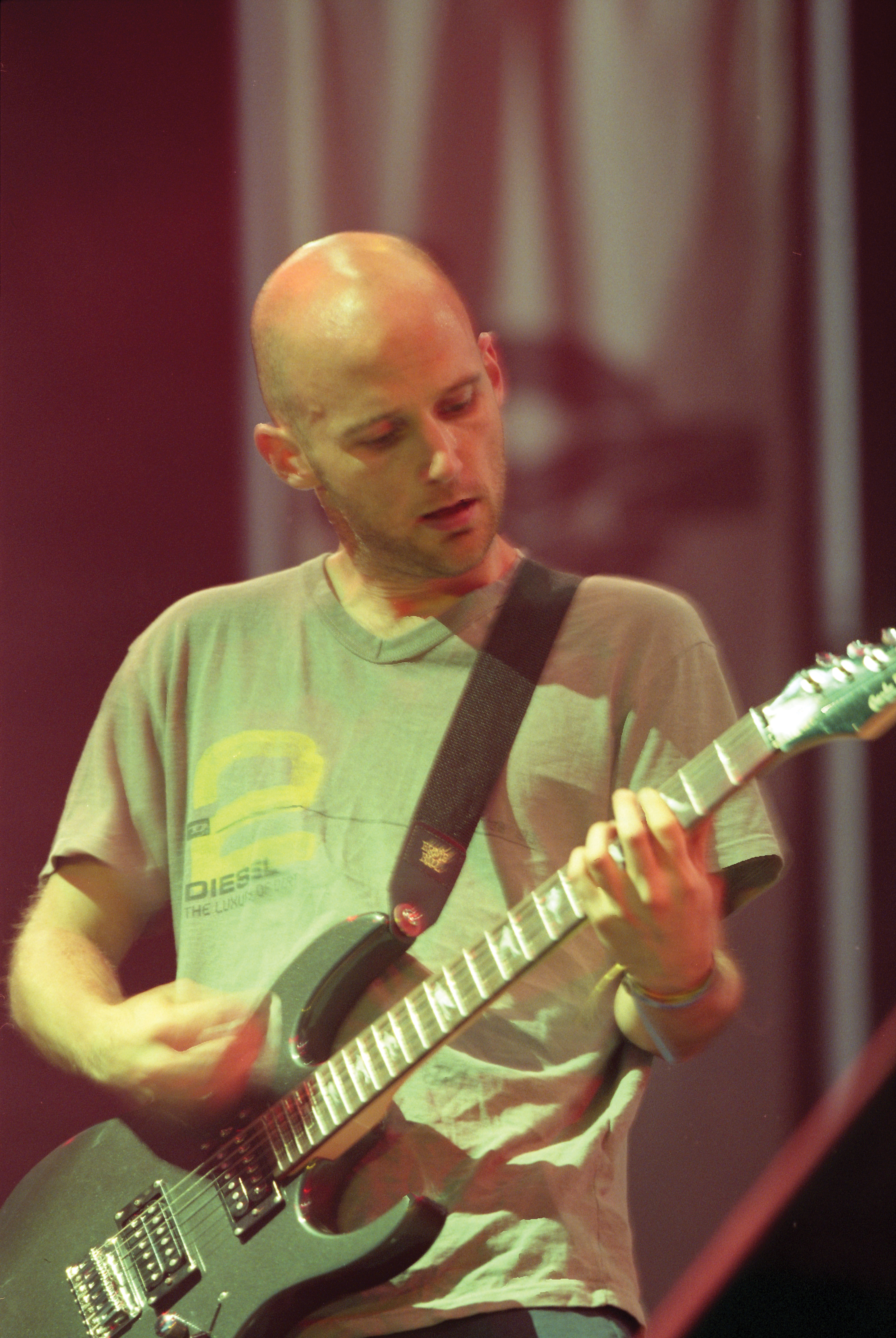
2000: Onstage at his “profoundly special” Glastonbury set. Image: Julian Makey / Shutterstock
When I was 18 or 19, I released an EP with this band I was in, and we made 300 copies. We gave away 250 of them, but we sold 50 copies. To me that felt like astounding success. In terms of bigger success, in 1990 I released this obscure, very minimalist, little techno song called Go, and this record company wanted a remix. And so I was working on the remix, and to take a break, I watched an episode of Twin Peaks, and heard Laura Palmer’s Theme by Angelo Badalamenti. I was like, huh, I could probably play this on top of the remix. And that was when, all of a sudden, it went from selling 500 copies of a record to selling 500,000 copies of a record.
My favourite gig was the second time I played Glastonbury, in 2000. It was a year after the album Play came out, and it had just become ridiculously successful. I was playing on the second stage at Glastonbury, and it was nine o’clock at night, so the sun was going down and the sky was pink, and it was warm, and there were 125,000 people singing along to the songs. Joe Strummer and Bez were on the side of the stage dancing, and I remember that moment just being like, wow, this is actually profoundly special.
Right before she died, when my mom was in the hospital, I looked at my birth certificate, and it said, “Number of births prior to this: one.” I was like, huh, either that’s a typo, or I have a half-brother or sister. And that’s how I found out my mother had gotten pregnant in high school and put the child up for adoption. I have no idea who that person, my brother, is, and I also don’t really care. You know, we share DNA with pine trees. It’s hard to get too excited about the fact that there’s someone out there with a slightly increased percentage of shared DNA with me.
If I could have one last conversation with anyone… I guess my father, because he killed himself at such a young age, when he was 26, and I would just simply want to say, I’m sorry that you were suffering that much. But if that’s what you felt like you needed to do, it was OK.
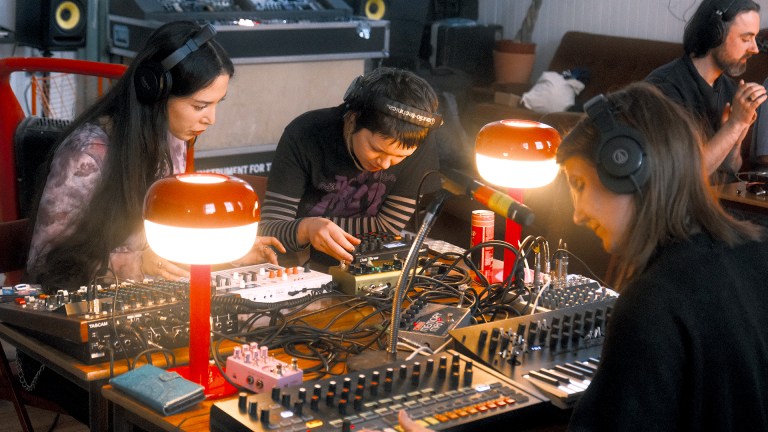
2025: Performing at Portola Festival, San Francisco, USA. Image: Jaime Schultz / Shutterstock
If I could relive one day it would be when a friend of mine took me to learn to water ski. I grew up very poor. But a friend of mine’s uncle had a water-skiing boat on a beautiful lake. It was one of those perfect summer days, like 80°C, the water was cool, but still nice. It was just one of those days when you’re 19 years old, and the world seems endless. The water is beautiful. You’re laughing with your friends. At one point, I remember getting pulled behind the boat on a piece of wood or a boogie board or something. And it was so euphoric and just delightful. So if I could virtually relive a moment. It would be that moment.
Advertising helps fund Big Issue’s mission to end poverty
Moby’s new album, Future Quiet, is out now on BMG. He tours Europe this summer.
Buy from your local Big Issue vendor every week – and always take the magazine. It’s how vendors earn with dignity and how we fund our work to end poverty.