Advertising helps fund Big Issue’s mission to end poverty
News

Government must 'end fixation with Brexit' to stop pupil poverty

Headteachers said schools are forced to buy pupils shoes and give them food parcels

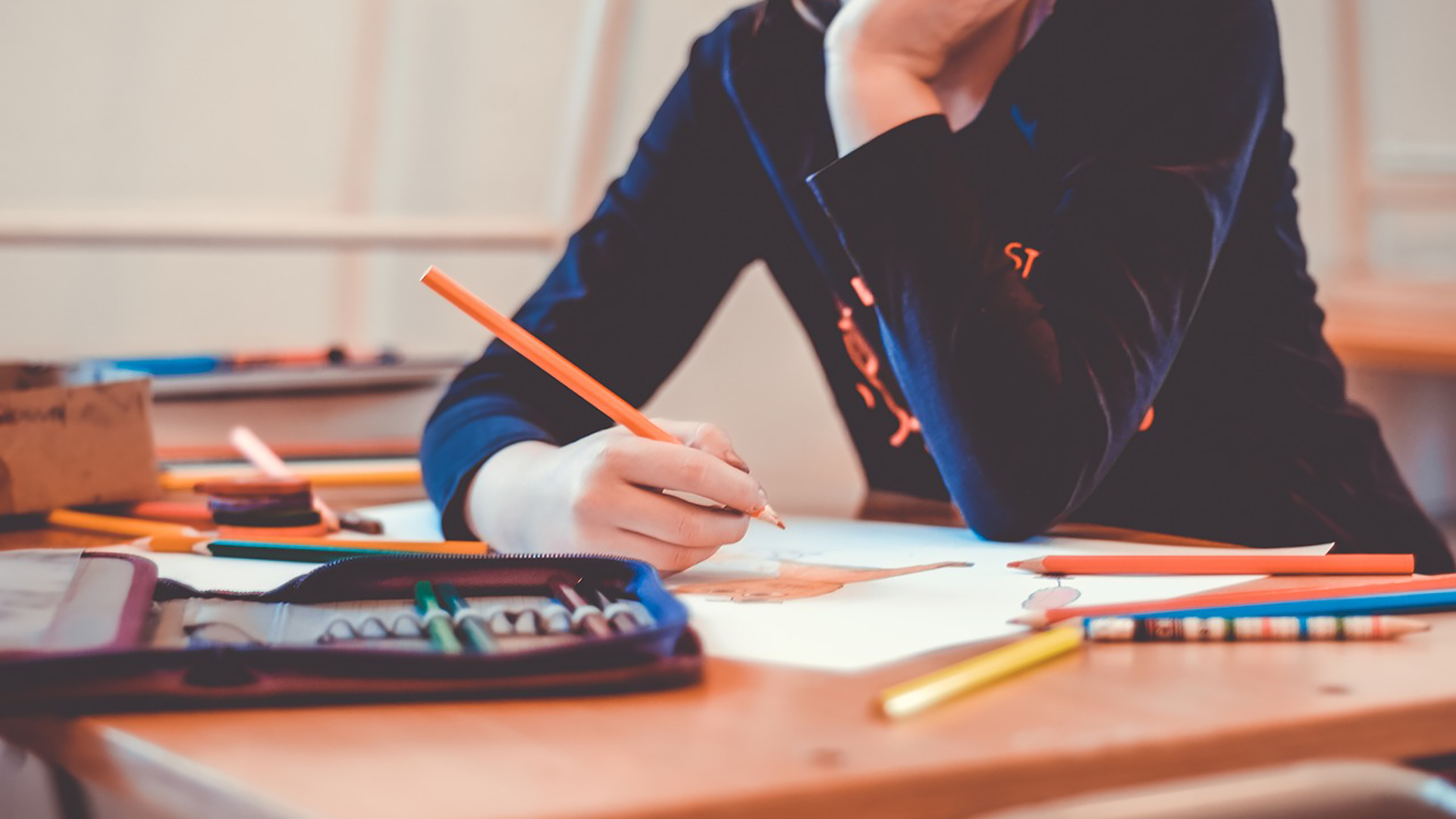
School child

School leaders across England and Wales are warning against a rising tide of pupil poverty which is leaving families relying on teachers for essentials – and schools acting as the “fourth emergency service” for poor pupils.

A survey by the headteachers’ union showed that more than nine in ten schools provide clothes for disadvantaged pupils, while 96 per cent of those surveyed said pupil poverty had worsened in recent years.

The Association of School and College Leaders (ASCL) surveyed 407 headteachers representing 11 per cent of state-funded secondary schools.

Nearly half said their schools sometimes have to wash clothes for pupils because their families cannot afford laundry services.

This renders their extra efforts unsustainable.

Cuts to local authority support for vulnerable families and young people in the area were reported by nearly all of the school leaders – who added that this renders their extra efforts unsustainable.

Three fifths of state schools are spending more than they receive in funding from struggling local authorities, Education Policy Institute research showed earlier this year.

Advertising helps fund Big Issue’s mission to end poverty

Geoff Barton, general secretary of the ASCL, said: “A decade of austerity has wreaked havoc with the social fabric of the nation and schools have been left to pick up the pieces while coping with real-term funding cuts.

“They have become an unofficial fourth emergency service for poor and vulnerable children, providing food and clothing and filling in the gaps left by cut backs to local services.

“Politicians must end their fixation with Brexit and work together to build a new sense of social mission in our country. We simply must do better for struggling families and invest properly in our schools, colleges and other vital public services.”

Headteachers also blamed a lack of funding for the widespread difficulty they have accessing local mental health services for pupils who need treatment. They also noted an increase in demand driven by pressures associated with poverty, social media and exams.

The report was published ahead of the ASCL’s annual conference in Birmingham, at which education secretary Damian Hinds is expected to announce a new expert advisory group to help teachers cope with complex pressures like pupil poverty. It will tackle stress and lack of wellbeing among school staff.

Commenting on the extent of pupil poverty, Sarah Bone, headteacher at Headlands School in Bridlington, said: “We have far too many children with no heating in the home, no food in the cupboards, washing themselves with cold water, walking to school with holes in their shoes and trousers that are ill-fitted and completely worn out, and living on one hot meal a day provided at school.”

And Edward Conway, headteacher of St Michael’s Catholic High School in Watford, said: “Pupil poverty has increased significantly over the past eight years with us providing food, clothing, equipment and securing funds from charitable organisations to provide essential items such as beds and fridges.”

Advertising helps fund Big Issue’s mission to end poverty

GIVE A GIFT THAT CHANGES A VENDOR'S LIFE THIS CHRISTMAS 🎁

For £36.99, help a vendor stay warm, earn an extra £520, and build a better future.
Grant, vendor

Recommended for you

View all
From banning skinny jeans to therapy: 14 big ideas that will save the world
2026

From banning skinny jeans to therapy: 14 big ideas that will save the world

Energy bills are rising in January. What do I do if I can't afford to pay?
energy bills
Cost of living

Energy bills are rising in January. What do I do if I can't afford to pay?

Yo-yo homes, 10Foot and autism assessments: This is how Big Issue made change in 2025
Our journalism

Yo-yo homes, 10Foot and autism assessments: This is how Big Issue made change in 2025

Low-paid and sick workers less likely to have flexible working options: 'Not a nice-to-have'
A woman works at a laptop
Employment

Low-paid and sick workers less likely to have flexible working options: 'Not a nice-to-have'