Advertising helps fund Big Issue’s mission to end poverty
Housing

Landlords refuse benefit claimants despite Shelter court win

While some property sites have banned so-called 'no DSS' listings, the BBC found landlords were still discriminating against people who receive Local Housing Allowance

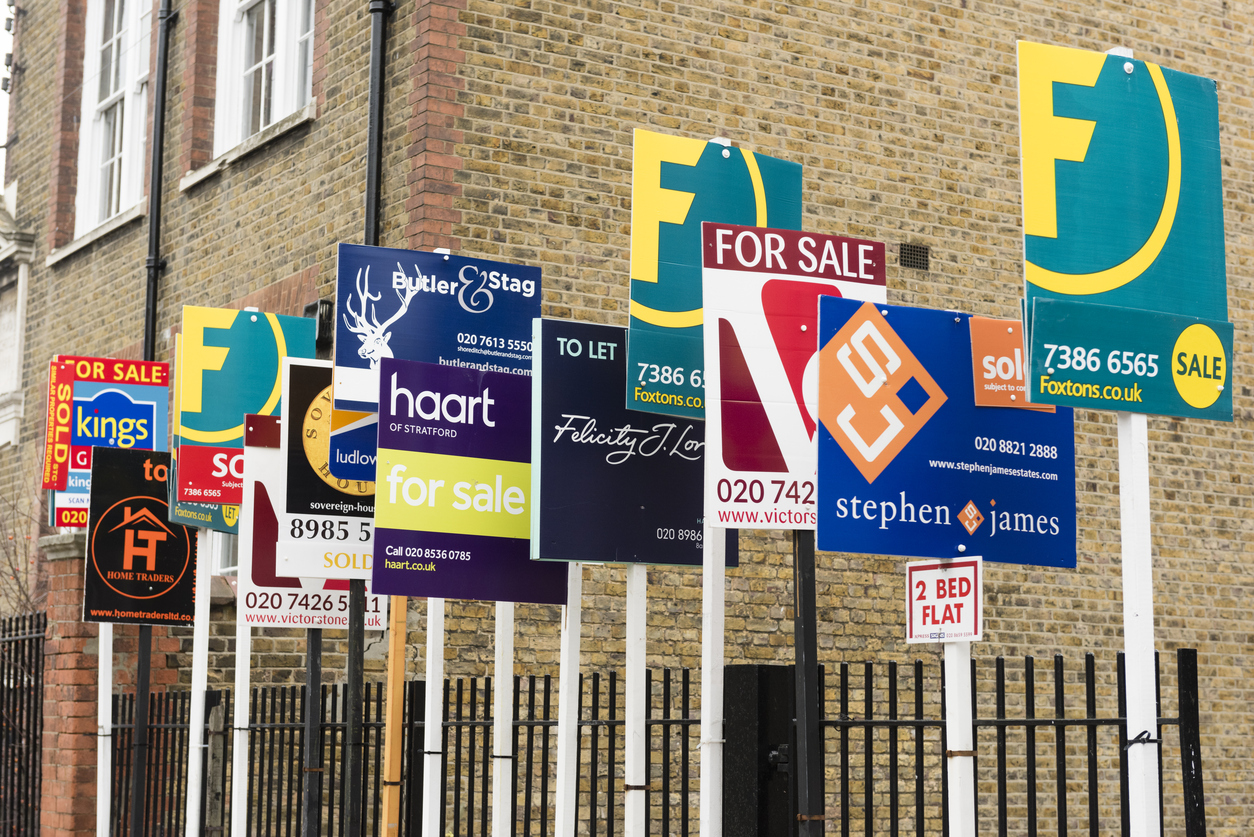
London, England, United Kingdom - February 11, 2015: FOR SALE and TO LET real estate agent signs outside residential housing development in Hackney. Many house rental and sales agency signs in a row. Multiple sign boards.

Landlords are banning people who receive housing benefits from renting their properties, data shows.

A BBC investigation analysing listings on OpenRent followed a judge ruling that discriminating against people on Local Housing Allowance (LHA) was unlawful.

It found that up to 75 per cent of listings on the property site said they would not accept tenants who received benefits.

Last month housing charity Shelter secured the landmark ruling when a York County Court judge declared the practice in breach of the Equality Act 2010 after a disabled single mum of two was rejected by a letting agency and brought her case to court.

The charity called the win a “clear warning” to letting agents and landlords that they risk legal action if they discriminate against people on benefits.

But the BBC’s research, surveying more than 9,000 listings, showed LHA claimants continue to face ‘no DSS’ discrimination.


Advertising helps fund Big Issue’s mission to end poverty

Shelter chief executive Polly Neate said landlords should “clean up their act” and treat renters equally.

She added: “We won’t stop fighting DSS discrimination until it’s banished for good.

“OpenRent should ban landlords from advertising their properties as ‘DSS not accepted’ – and remind them of their legal duty not to discriminate.”

The website said it encouraged landlords and estate agents to review tenant applications “on their own merits”.

Up to 63 per cent of private landlords previously said they do not or prefer not to let to people on housing benefits, a so-called no DSS policy which Shelter said has stopped hundreds of thousands of people from getting homes they could afford.

Advertising helps fund Big Issue’s mission to end poverty

The practice disproportionately affects women, who are one-and-a-half times more likely to receive LHA than men, and disabled people, who are three times more likely to need it than non-disabled people.

Writing in The Big Issue earlier this month, Rose Arnall – the Shelter lawyer who won the landmark case – said: “It is easy to see how people repeatedly turned away because they receive benefits are ending up on the brink of homelessness with nowhere to turn.

“Overstretched councils are already buckling under homelessness applications from people who cannot afford private rentals. It’s senseless that people experiencing DSS discrimination are adding to their numbers and becoming homeless – when they can afford to pay private rents.

She added: “Sadly, proving something is illegal doesn’t immediately end its practice.”

Previously, some property websites like Zoopla and RightMove scrapped ‘no DSS’ adverts from their listings and prohibited them in their terms and conditions.

Advertising helps fund Big Issue’s mission to end poverty

GIVE A GIFT THAT CHANGES A VENDOR'S LIFE THIS WINTER 🎁

For £36.99, help a vendor stay warm, earn an extra £520, and build a better future.
Grant, vendor

Recommended for you

View all
Homelessness facts and statistics: The numbers you need to know in 2026
Homelessness

Homelessness facts and statistics: The numbers you need to know in 2026

Rents in UK are at record highs. Will they keep going up?
rents uk
Renting

Rents in UK are at record highs. Will they keep going up?

Homeless people were given £2,000, no strings attached. Here’s what they spent the money on
UK pounds coins and banknotes
Homelessness

Homeless people were given £2,000, no strings attached. Here’s what they spent the money on

Labour's Planning and Infrastructure Act is now law. Here are five things it looks to change
housing secretary Steve Reed in hi-vis
Housing

Labour's Planning and Infrastructure Act is now law. Here are five things it looks to change