Advertising helps fund Big Issue’s mission to end poverty
News

The poorest communities are losing cash machines at the fastest rate

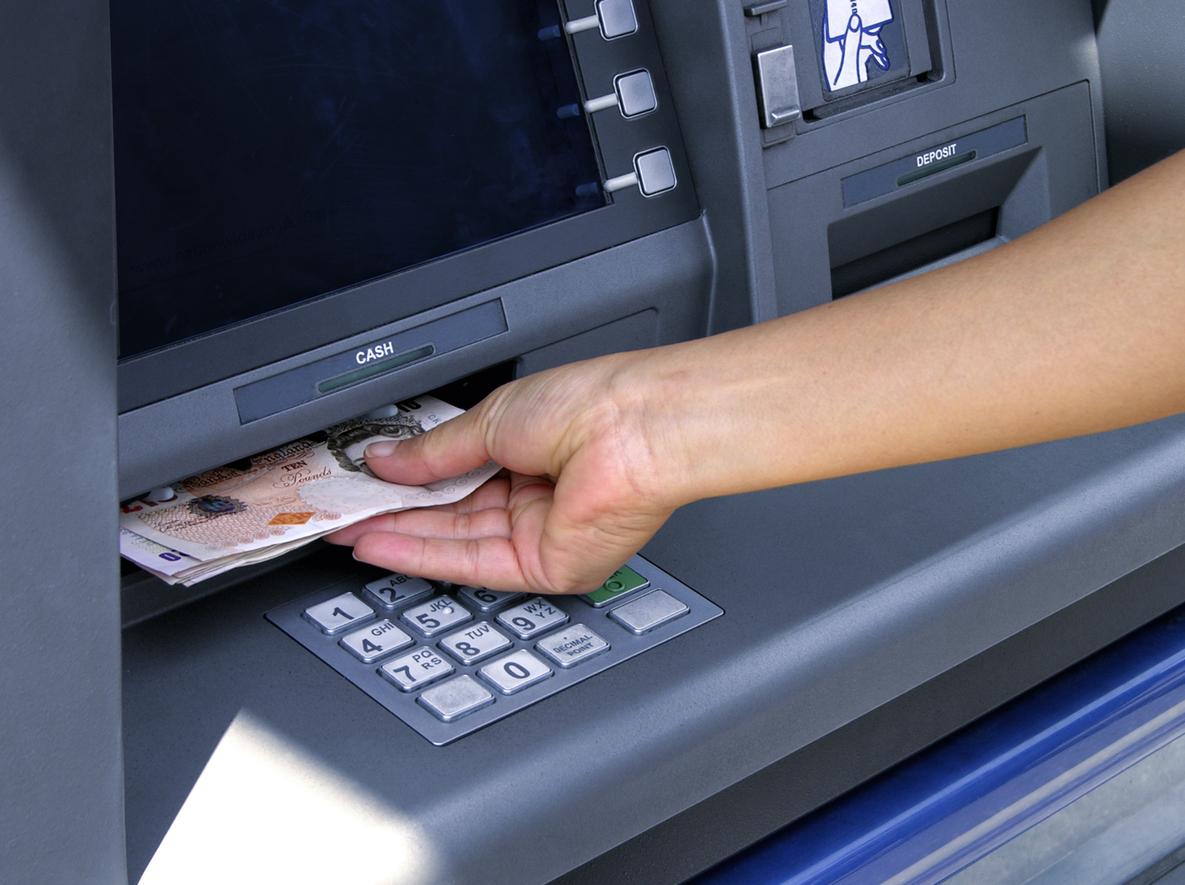
A Which? study finds one in 10 free-to-use cash machines in Britain has closed or started charging fees in the last 17 months. It’s one of the reasons why Big Issue vendors have started using contactless

The poorest communities in the UK are being hit the hardest by the loss of free-to-use cash machines, with one in 10 being axed or charging fees in the last 17 months.

A study released today, carried out by Which?, found that 8,700 machines have gone in that time, but only 223 were in the wealthiest areas.

By contrast, the most deprived areas lost 979 machines with a further 15 per cent set to go if network operator NoteMachine carries out plans to start charging fees on 1,500 ATMs.

Great Yarmouth was the location where the loss was felt the most, with almost half the cash machines there charging a fee, while there have been significant increases in Vauxhall, Birmingham Hodge Hill and Nuneaton.

These charges soon add up, particularly for those on the lowest household incomes who still use cash – 78 per cent in this group still use cash three times a week.


Advertising helps fund Big Issue’s mission to end poverty

The issue was flagged up in last year’s Access to Cash Review but Which? is asking new Chancellor of the Exchequer Sajid Javid to introduce a minimum service guarantee that cash will be accessible and continue to be accepted.

They said: “We know that people in more deprived communities tend to rely heavily on cash, so it’s deeply concerning that those who can least afford it are being hit with the extra burden of hefty fees to access their own money as free cashpoints close at an alarming rate.

“The government and regulators must urgently get a grip on these rapid changes to the cash landscape and guarantee people across the UK can continue to access this important payment method for as long as it is required.”

In response to the Which? study a spokesperson for the Payment Systems Regulator said: “Banks need to make sure their customers can access their cash when and where they need it.

“It is important that banks engage closely with local communities and their customers to understand their needs for cash so that well designed and suitably tailored solutions can be put in place to meet those needs.”

Cash’s decline in accessibility and use is one of the reasons why The Big Issue has launched a cashless revolution by working with iZettle to allow our vendors to sell the magazine with contactless card readers.

Our vendors were becoming financially excluded by only accepting cash, with one in five Brits ditching notes and coins entirely while contactless was used for 5.6 billion payments last year.

Take the experiences of Emma Ford, 46, who sells The Big Issue outside London Victoria Station. She said: “So many people never carry cash so I had to get the card reader, for me it is a big plus because we had to make a move to keep up.”

Advertising helps fund Big Issue’s mission to end poverty

GIVE A GIFT THAT CHANGES A VENDOR'S LIFE THIS CHRISTMAS 🎁

For £36.99, help a vendor stay warm, earn an extra £520, and build a better future.
Grant, vendor

Recommended for you

View all
Insecure work and the gig economy: Employment in Britain worse than reported, study finds
a delivery driver carrying boxes to a van
Work

Insecure work and the gig economy: Employment in Britain worse than reported, study finds

Has Starmer been naughty or nice? Here's Matt Chorley's gift guide for politicians this Christmas
Christmas

Has Starmer been naughty or nice? Here's Matt Chorley's gift guide for politicians this Christmas

Big Issue turns 35 in 2026 – help us celebrate at our Big Dinner
Big Issue 35th anniversary

Big Issue turns 35 in 2026 – help us celebrate at our Big Dinner

Labour's Planning and Infrastructure Act is now law. Here are five things it looks to change
housing secretary Steve Reed in hi-vis
Housing

Labour's Planning and Infrastructure Act is now law. Here are five things it looks to change