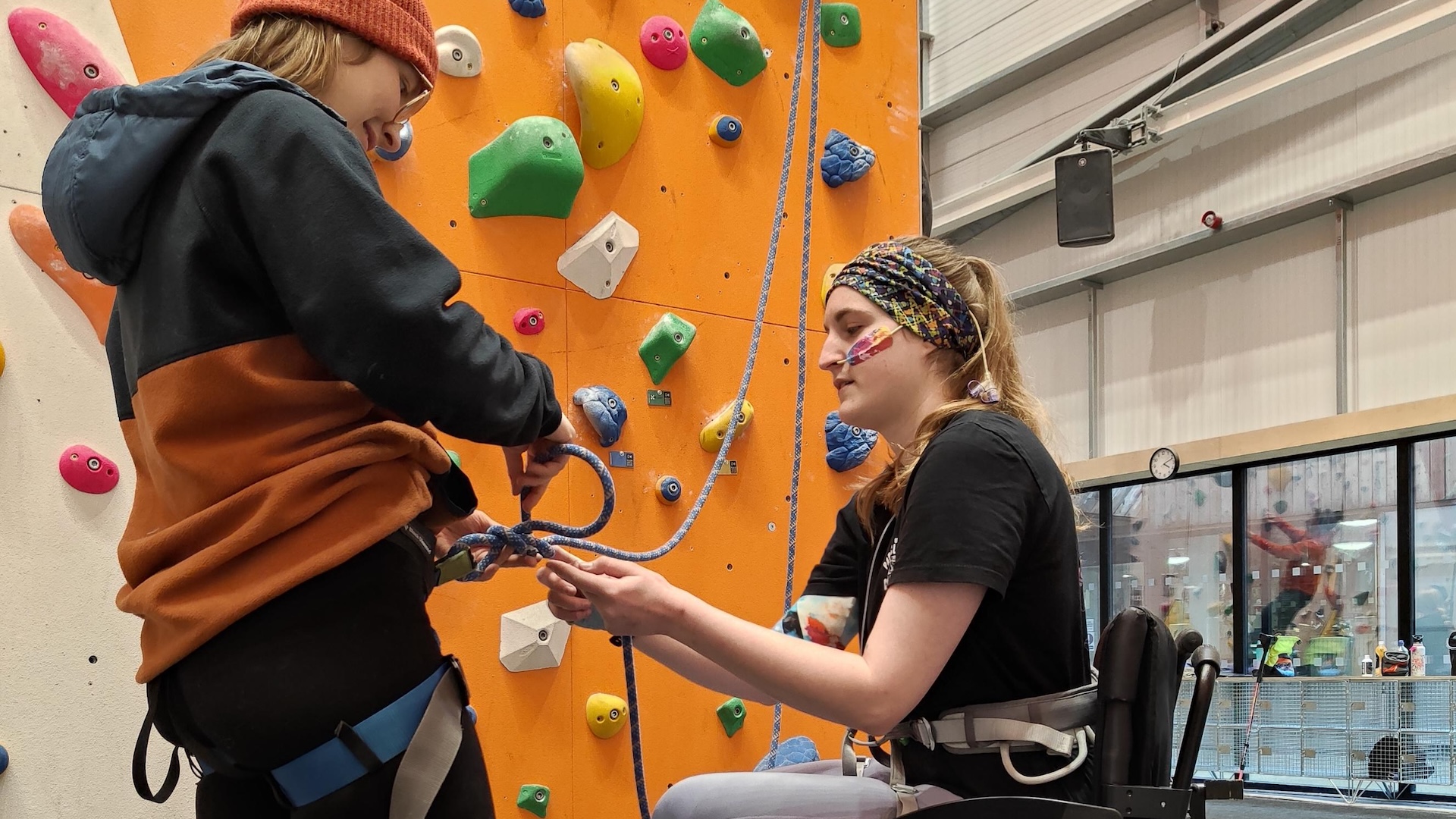
Going into a gym for the first time can be nerve racking for anyone, but when you are disabled, those anxieties are amplified. Will the gym be accessible? Where will I park? How will people treat me? Will there be an accessible toilet? Is there a lift? These are the questions that fly around my head every time I want to try out a new gym.
I have been climbing for more than six years, and as a wheelchair user that often surprises people. They look from my chair to my feeding tube and my creaky body, and they assume climbing is something that won’t be possible for me. But that couldn’t be further from the truth.
Get the latest news and insight into how the Big Issue magazine is made by signing up for the Inside Big Issue newsletter
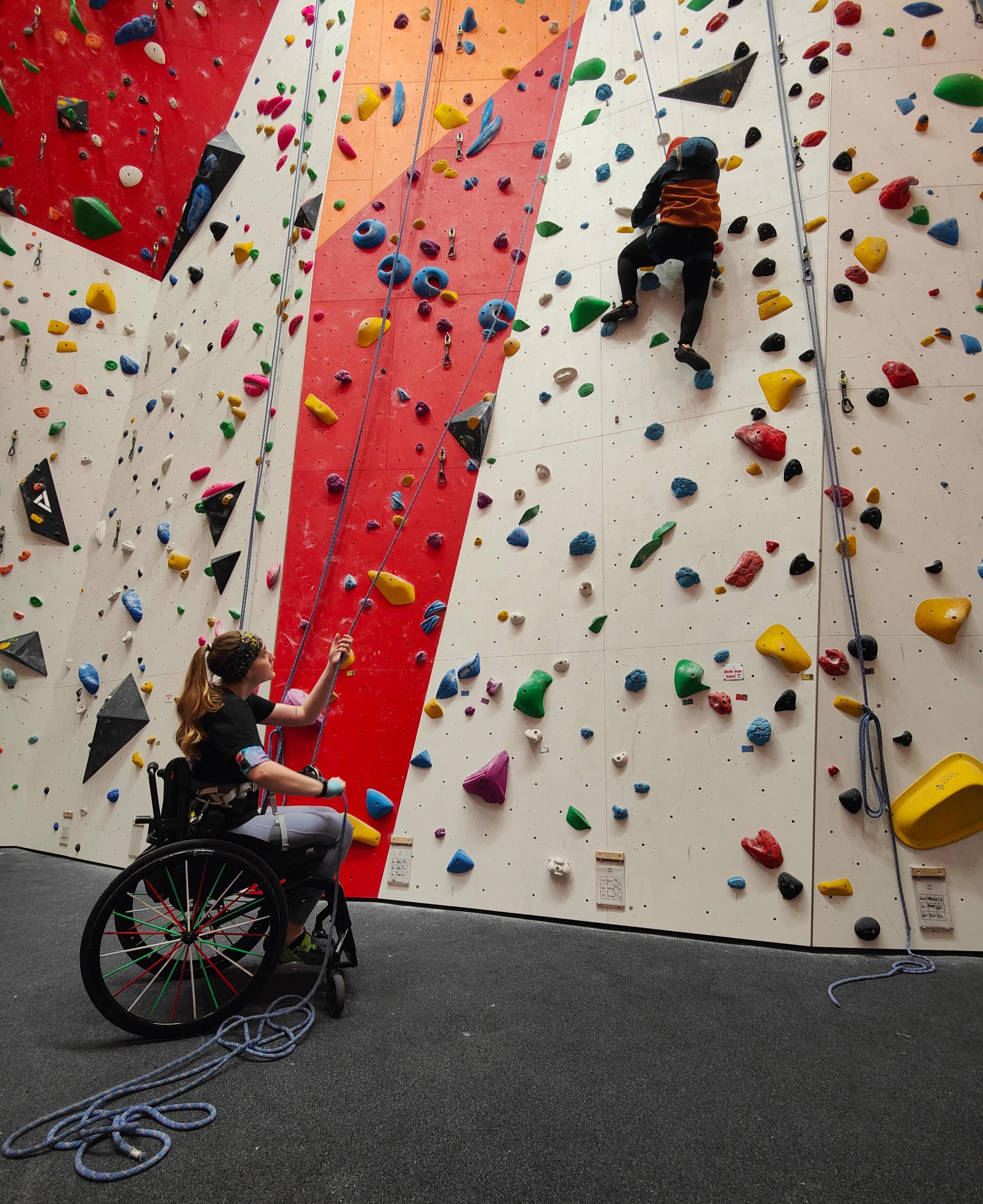
Climbing is a fantastically inclusive sport, with countless ways it can be adapted to suit many different disabilities. Over the years I have met many disabled climbers, from people just starting out to paraclimbers who represent their country on the international stage. The UK paraclimbing community is thriving.
But it’s not all sunshine and rainbows. Because the biggest barrier many disabled climbers are facing isn’t climbing the walls, it’s getting through the front door.
Inaccessibility is a common issue in climbing gyms across the UK. The culmination of inaccessible buildings, poor planning and design, lack of funding and not enough awareness means that many disabled climbers are not able to engage in the sport like their non-disabled counterparts. And we think it’s about time that changed.