Advertising helps fund Big Issue’s mission to end poverty
Life

Microchimerism: When the cells in your body are not your own

Microchimerism challenges traditional thinking, disrupts our vision of ourselves and complicates our genetic ties

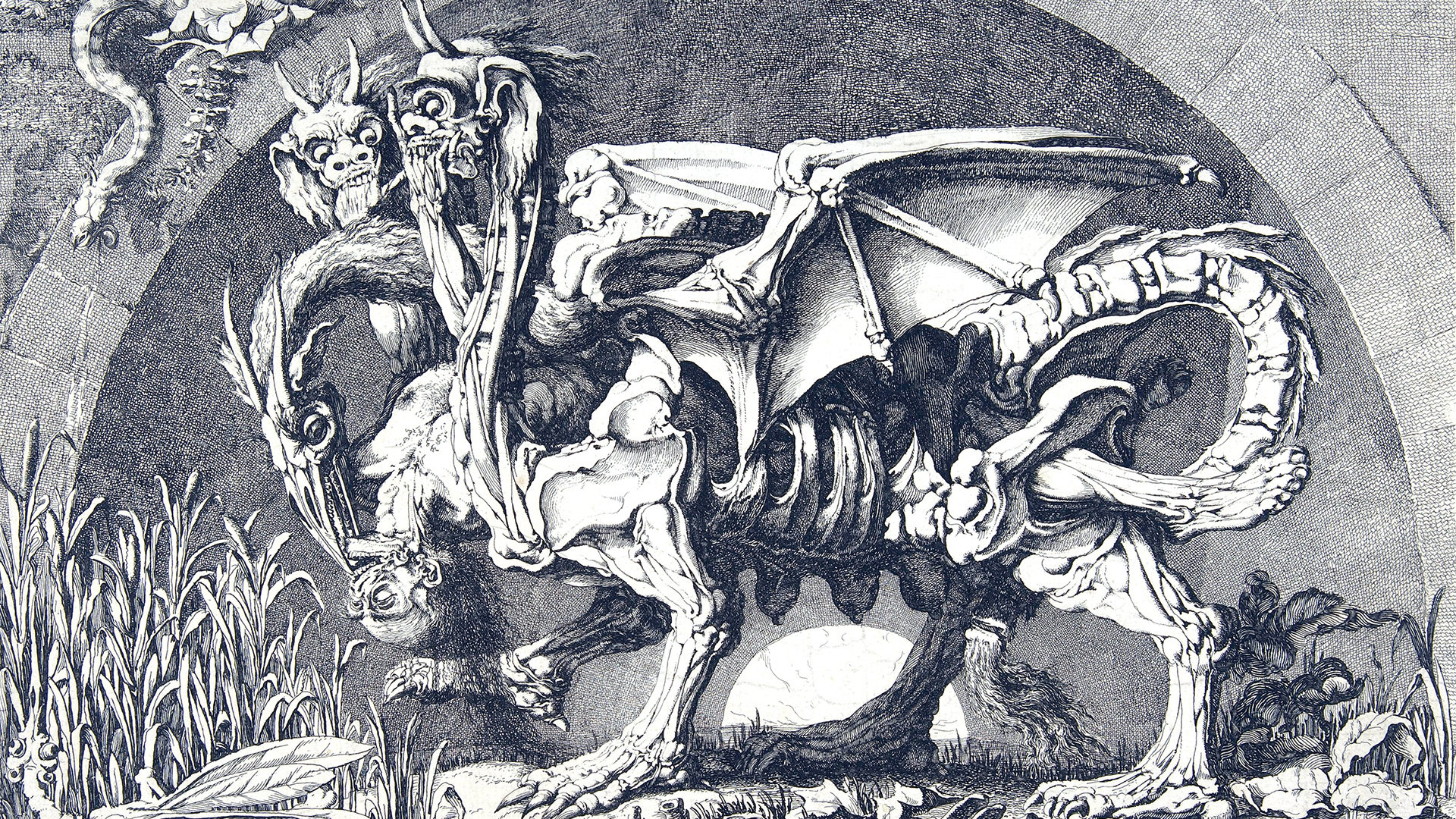
The Chimera, an etching by Louis Jean Desprez, c. 1777-84. Image: Science History Images / Alamy

We are all told the same story as children: that we grew from a single cell into a human being. We learn that all of our trillions of cells developed from the first union of egg and sperm, and that we each have one unique and unvarying genetic code. But scientists are beginning to challenge that story. The oft-taught equation of “one individual, one genome” fails to capture how complex the reality is.

In fact, we all carry cells from other individuals within us. Hidden in our blood, our heart, our lungs, and even sometimes in our reproductive organs are human cells with a genome different from our own – cells that originated in another person. This phenomenon, which affects all species with a placenta, has been named microchimerism (after the chimera, a monstrous creature from Greek mythology). 

Get the latest news and insight into how the Big Issue magazine is made by signing up for the Inside Big Issue newsletter

In the womb, we are first and foremost built by and with others. The placenta is not the watertight barrier we often imagine: in fact, human cells can cross it in both directions, from the foetus to the mother and vice versa. Women can thus acquire cells from all the embryos they ever carry, whether or not they result in a birth. And they can transmit to their foetus not only their own cells but also all the microchimeric cells they carry, which might come from their mother as well as from any previous pregnancies.

We can therefore inherit cells from our maternal grandmothers as well as from our older siblings (whether they were ever born or not). In utero, some of us may also exchange cells with our twins – including vanishing twins, those embryos that disappear along the way. Even after birth, we can still inherit cells from others, particularly during breastfeeding or after a transplant: the donor’s cells can leave the graft site and establish themselves elsewhere in the recipient’s body.

There are examples of women with male cells found within their brain, or of babies with their grandmother’s cells found within their blood. One woman discovered she has two blood types, with one coming from her twin brother. In a remarkable case, a mother was found to host cells from her vanished twin sister in her ova: two of her sons were in fact her genetic ‘nephews’, whose genetic mother never lived.

Advertising helps fund Big Issue’s mission to end poverty

Then there was the man identified by DNA testing as the culprit of a crime he couldn’t possibly have committed: the cells found by the forensic police in fact came from his bone marrow donor, who was the actual offender. 

Read more:

In recent years, scientists have discovered that these cells are far from aimless drifters; instead, they actively integrate into our organs. Once there, they multiply, produce proteins, and communicate with their neighbours. For better and for worse. One study documented a case of a diabetic child who carried cells from his mother that produced insulin when his own pancreas could not do so. Other studies have shown how foetal cells in a mother’s body travel to damaged organs and help regenerate tissue. 

But sometimes microchimeric cells cross over to the dark side. There is evidence linking their presence to accelerated tumour development or chronic inflammatory reactions. “We’ve come to understand that a microchimeric cell is capable of the worst as well as the best. It’s a question of balance,” explains Nathalie Lambert, a French scientist.

Some people find microchimerism comforting. There are women who have spoken of their joy at finding out that they still hold cells from a child who died. Others can’t bear the thought of being ‘inhabited’ by their mother or older brother.

One thing is certain: these cellular interminglings are fascinating. They challenge traditional thinking, disrupt our vision of ourselves and complicate our genetic ties. 

Microchimerism revolutionises our view of what it means to be human. Far from being self-made individuals originating from a single fertilised egg, we increasingly look like a collective of human and microbial cells, whose equilibrium depends on the interactions between all of its components.

This phenomenon also blurs the boundaries of time: the past makes its way into the future, and the future into the past. And death no longer means that our cells disappear forever. It even challenges our bodily boundaries, creating a form of continuity between individuals. These cells expand our self to others, and others become our self. 

Finally, the presence of these cells calls into question our traditional view of the immune system. It’s no longer a defensive army protecting our borders and expelling any foreign element. On the contrary, it’s a system that allows us to live with others.

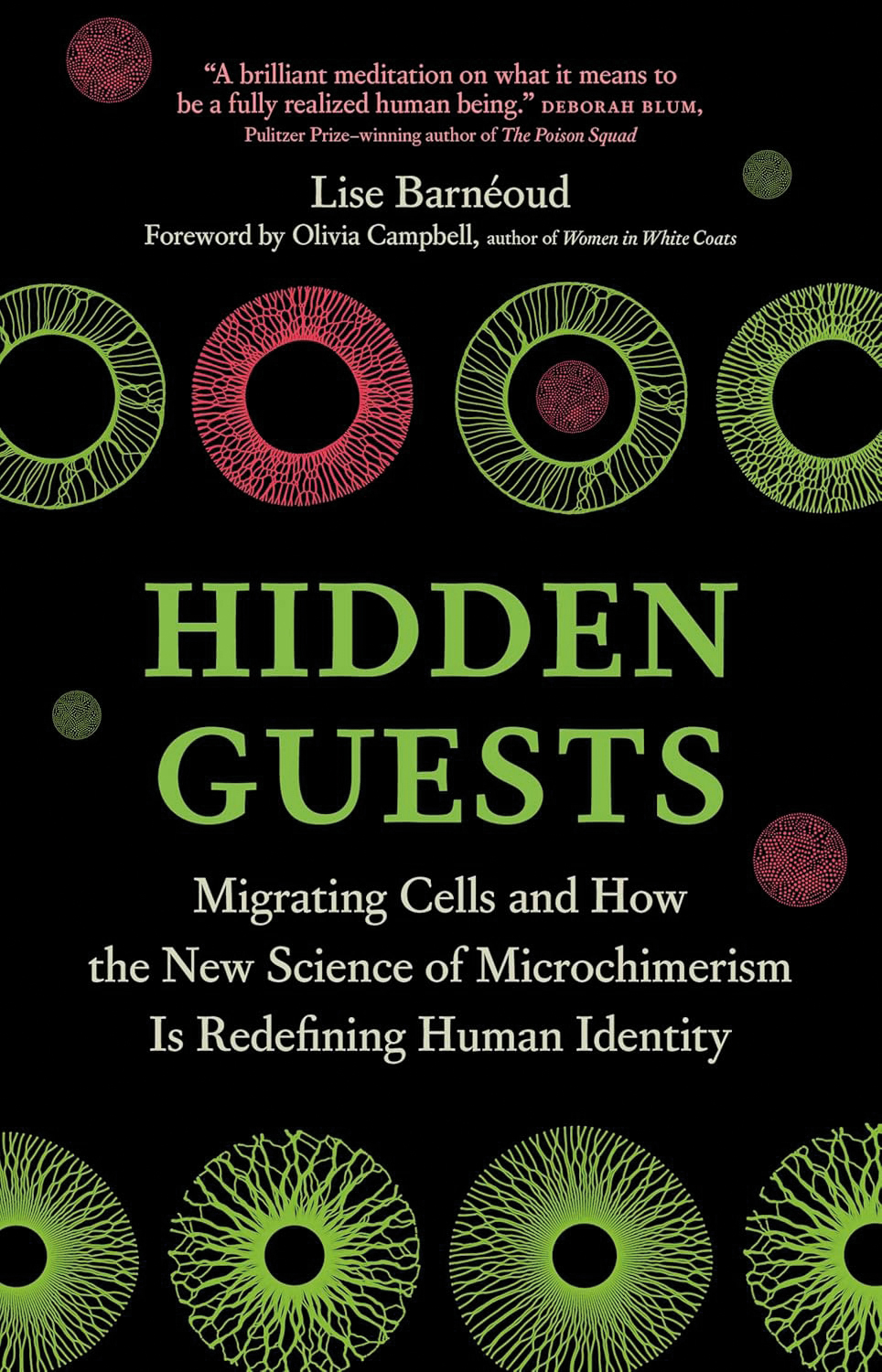
Hidden Guests by Lise Barnéoud, translated by Bronwyn Haslam, is out now (Greystone Books, £18.99). You can buy it from the Big Issue shop on bookshop.org, which helps to support Big Issue and independent bookshops.

Do you have a story to tell or opinions to share about this? Get in touch and tell us more

Change a vendor’s life this winter.

Buy from your local Big Issue vendor every week – and always take the magazine. It’s how vendors earn with dignity and how we fund our work to end poverty.

You can also support online with a vendor support kit or a magazine subscription. Thank you for standing with Big Issue vendors.

Advertising helps fund Big Issue’s mission to end poverty

GIVE A GIFT THAT CHANGES A VENDOR'S LIFE THIS WINTER 🎁

For £36.99, help a vendor stay warm, earn an extra £520, and build a better future.
Grant, vendor

Recommended for you

View all
What do the government's vet prices reforms mean for pet owners?
Vet bills

What do the government's vet prices reforms mean for pet owners?

More than half of people with mental health problems regularly run out of money
empty wallet
Money

More than half of people with mental health problems regularly run out of money

Animal Friends Insurance launches new charity mission to support animals
Advertorial

Animal Friends Insurance launches new charity mission to support animals

Letters: Every homeless person wants a better life
Letters

Letters: Every homeless person wants a better life