Advertising helps fund Big Issue’s mission to end poverty
Employment

Boris Johnson accused of 'a knowing and repeated lie' over employment figures

"You have failed to correct the record — and failed to correct the record about having corrected the record," Boris Johnson was told.

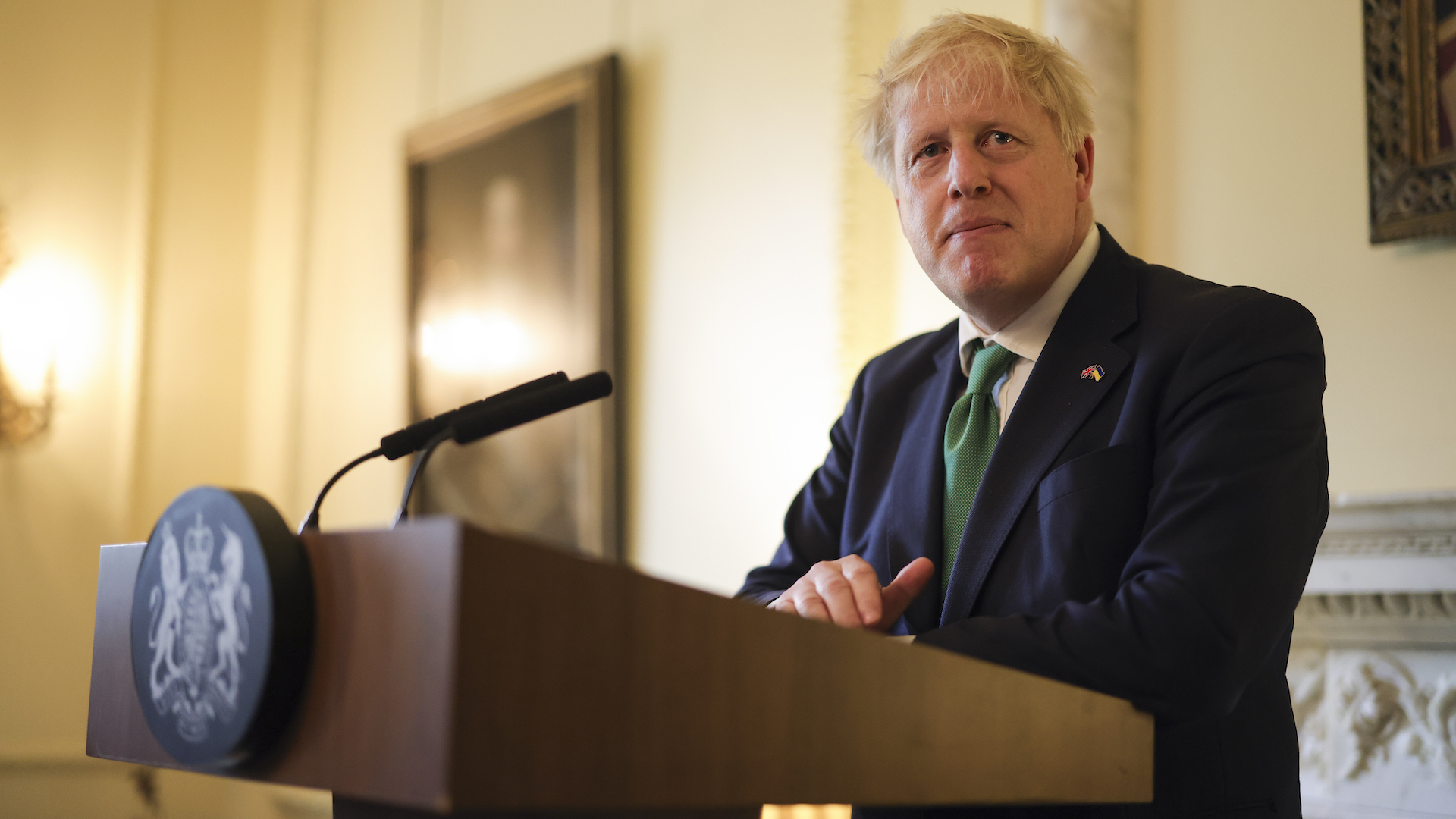
Boris Johnson speaks at a reception to leading figures in the fashion industry ahead of British Fashion Week in 10 Downing Street. Picture by Simon Dawson / No 10 Downing Street

Boris Johnson has been accused of a “knowing and repeated lie” by the chair of the committee on standards and privileges over employment claims made in parliament.

Labour MP Chris Bryant wrote to the PM listing the eight instances when he made inaccurate statements about the number of people in work.

While there are more people on employee payrolls now compared to the start of the pandemic, there has been a large drop in self-employed people, meaning there are fewer people in work overall.

Bryant detailed how the prime minister was made aware of the inaccuracy of his statements on at least two occasions, yet continued to repeat the claim.

In March, Johnson claimed he “took steps to correct the record” when questioned by MPs over the matter at the liaison committee. Ministers are required to submit corrections in writing, something Bryant said the PM has failed to do.

“You have failed to correct the record, and failed to correct the record about failing to correct the record,” Bryant wrote.


Advertising helps fund Big Issue’s mission to end poverty

The prime minister has repeated the incorrect claim there are “record numbers of people now back in work” eight times, most recently during prime minister’s questions on April 20

Fact-checking organisation Full Fact has stated that “There are *not* more people in work now than there were before the pandemic began. There are half a million fewer.”

The independent organisation first wrote to Johnson to alert him to his error in November 2021. Chief executive of Full Fact Will Moy called on the prime minister to correct the record because “the public deserves statistics they can believe”.

The official statistics watchdog has, twice, urged the prime minister to stop repeating the “misleading” claim in parliament, as it refers only to the increase in the number of people on payrolls, failing to convey the large drop in number of people who are self-employed

In his second letter of intervention, sent on February 24, Sir David Norgrove wrote: “If, as seems to be the case, your statement referred only to the increase in the number of people on payrolls, it would be a selective use of data that is likely to give a misleading impression of trends in the labour market unless that distinction is carefully explained.”

Norgrove said he hopes the prime minister “will agree that public trust requires a complete statement of this important measure of the economy.”

Downing Street has been contacted for comment.

Advertising helps fund Big Issue’s mission to end poverty

HELP VENDORS KEEP WORKING THROUGH THE COLD

For £36.99, help a vendor stay warm, earn an extra £520, and build a better future.
Grant, vendor

Recommended for you

View all
Grand Theft Auto workers sacked in ‘union-busting’ move: 'I don’t know how I’ll pay my bills'
Protests outside Rockstar Games' parent company Take Two Interactive's London headquarters
Employment

Grand Theft Auto workers sacked in ‘union-busting’ move: 'I don’t know how I’ll pay my bills'

Can apprenticeships fix the housing crisis? ‘I worked in childcare, now I fix social homes’
apprentices at PfP Thrive
Housing

Can apprenticeships fix the housing crisis? ‘I worked in childcare, now I fix social homes’

Access to Work delays double in four years leaving disabled people at risk of losing jobs
A miniature figurine businessman looking down on an information booklet for department for work and pensions
benefits

Access to Work delays double in four years leaving disabled people at risk of losing jobs

It's early January and FTSE 100 CEOs have already earned more than an average worker's yearly pay
Stock photo of UK bank notes and coins
Wages

It's early January and FTSE 100 CEOs have already earned more than an average worker's yearly pay