Advertising helps fund Big Issue’s mission to end poverty
Social Justice

Millions face paying more in energy bills than height of cost of living crisis. Here's why

The typical household will pay £238 less for their energy bills a year from April. But debt acquired during the cost of living crisis means many are worse off than when inflation and energy bills were at their highest

energy bills/ worry

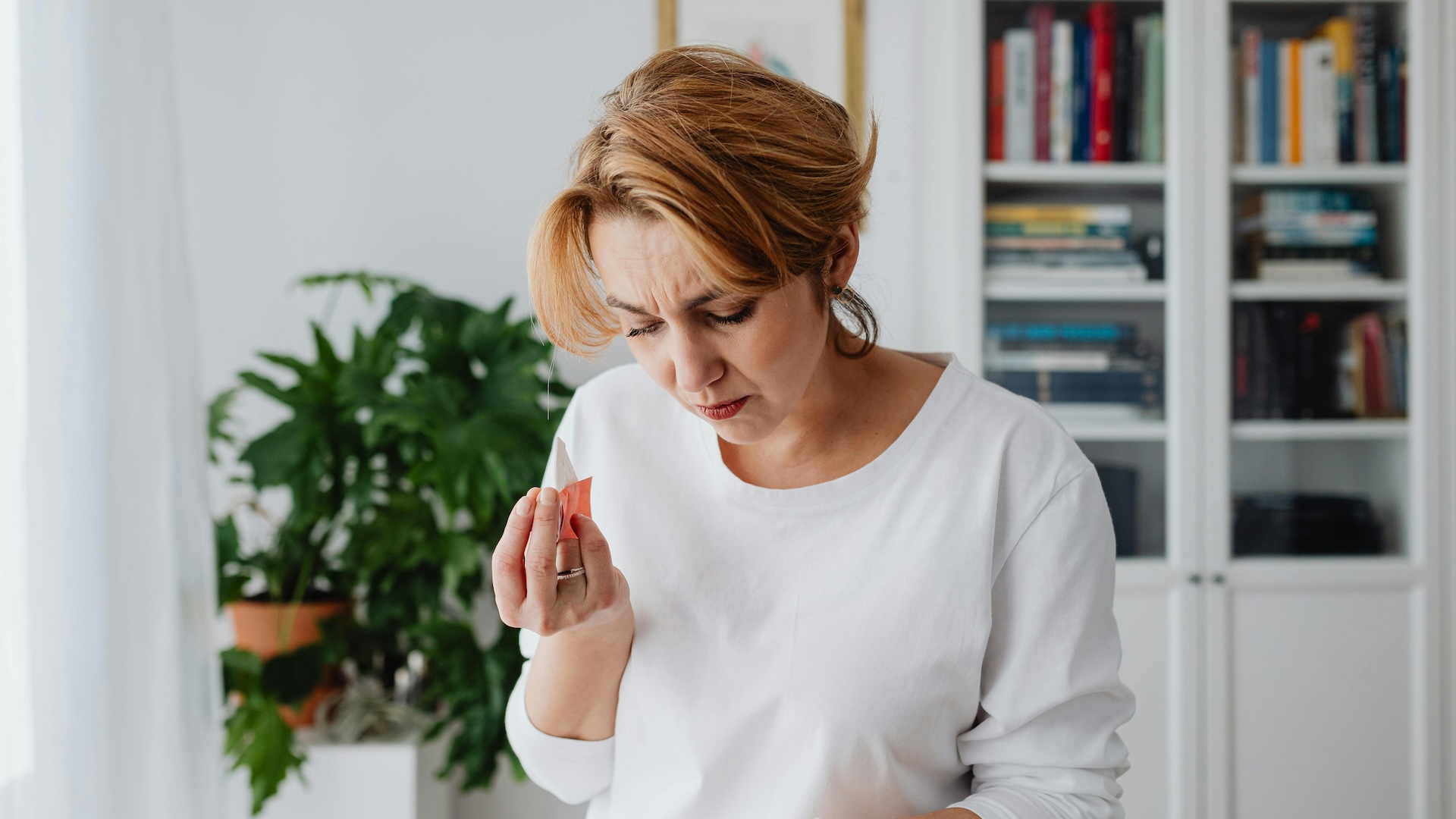
It might feel as though the cost of living crisis is coming to an end, but people are still battling with the aftermath. Image: Pexels

Around 2.3 million households could be paying more for their energy bills than at the height of the cost of living crisis because of debt, a charity has warned.

National Energy Action’s analysis of Ofgem data shows that UK households owe energy firms a total of more than £3bn. It works out at an average of £1,200 per household in debt.

It means when bills drop in April, millions of people could be worse off than when energy bills were at there highest.

According to Ofgem’s energy price cap, typical households will pay £1,690 each year for energy from April, a drop of £238. Some people may end up paying more, depending on how much energy they use.

Adam Scorer, chief executive of National Energy Action, said: “Any decrease in prices is to be welcomed. But households are not just paying for their current usage – millions are still paying for last winter too. The lasting impacts of price shocks are yet to be dealt with.”

New polling from the charity has found that three in five people (59%) rationed their heating in the last three months. Half (49%) of people had gone to bed to stay warm, with one in five (19%) doing that every day.


Advertising helps fund Big Issue’s mission to end poverty

National Energy Action estimates that six million households will be in fuel poverty from April.

Benefits are rising in April which will come as a relief, but much of the cost of living support from the government has come to an end. Cost of living payments totalling £900 for those on means-tested benefits have ended, and the energy rebate was only in place for winter 2022/2023.

There are also increases in energy standing charges, which households pay regardless of how much energy they use. It tends to make up a higher proportion of bills for people facing fuel poverty.

Keep reading the journalism that powers our mission

Register free to continue and learn more about the stories, campaigns and the support we provide, helping people facing poverty across the UK.


Scorer added: “Two years of household budgets being whittled down to nothing, and an ever-expanding ocean of debt that the poorest are expected to pay off, simply isn’t sustainable and leading people to desperate measures like going without clean clothes, without warm food and without heating. 

“The energy crisis is not over, especially for the poorest, who remain exposed to the greatest jeopardy. There are levers this government and the next can pull to help those in fuel poverty now and ending it in the long-term – this crisis cannot be the new normal.”

Do you have a story to tell or opinions to share about this? We want to hear from you. Get in touch and tell us more.

Advertising helps fund Big Issue’s mission to end poverty

There’s more than one way to make a difference

Big Issue vendors need you more than ever this Christmas.

Recommended for you

View all
'I wish I'd smacked Russell Brand's teeth in when I had the chance'
Russell Brand
Sam Delaney

'I wish I'd smacked Russell Brand's teeth in when I had the chance'

What January's £400 energy bills hike means for struggling families: 'Christmas is off the cards'
an old man sat looking sad at the end of his bed
energy bills

What January's £400 energy bills hike means for struggling families: 'Christmas is off the cards'

Don Letts: 'Not voting doesn't mean you're opting out of politics'
Don Letts
PM For The PM

Don Letts: 'Not voting doesn't mean you're opting out of politics'

'Digital hostile environment': How artificial intelligence is secretly changing the Home Office
home secretary Shabana Mahmood
Home Office

'Digital hostile environment': How artificial intelligence is secretly changing the Home Office