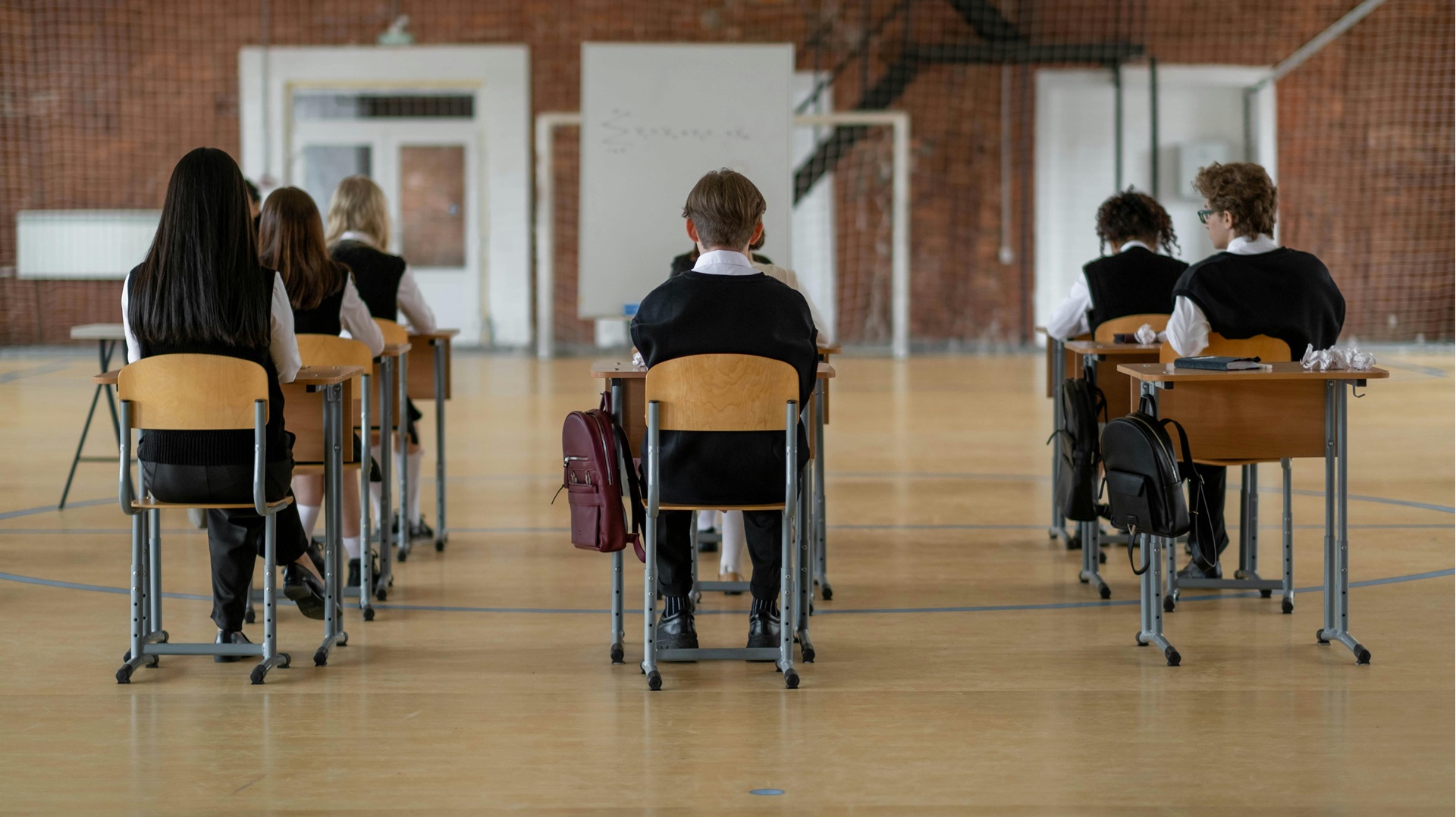
Research released last year found a 68% year-on-year increase in state school teachers reporting daily instances of pupils’ families being unable to afford hygiene items. The study, by charity The Hygiene Bank and laundry brand smol, also found that children experiencing hygiene poverty are 85% more likely to be bullied and 75% more likely to underperform academically.
“Children very much say it how it is,” says Smith. “You stink.”
“There’s no ‘do you know that Mrs. Lee has got a couple of shirts in the cupboard that you could have?’ They’re just going to say ‘there’s a horrible smell’.”
Where children can be brutally blunt, adults often stay silent. A new study by laundry brand smol’s Suds in Schools programme found that four in five (82%) state school teachers find it difficult to raise the issue of hygiene with pupils. Nearly six in 10 (59%) have never received training on how to identify or support children affected by hygiene poverty.
It can be a “tricky area” for teachers, says developmental neuroscientist professor Sam Wass, who warns that fear of causing embarrassment can lead to inaction.
“Teachers are seeing and noticing children presenting a little bit differently in their class, but they’re not raising it because they feel awkward because they’re worried about saying the wrong thing,” he tells Big Issue.
Advertising helps fund Big Issue’s mission to end poverty
“This type of thing can have such a massive impact on all aspects of a child’s kind of pathway through school.”
Help is at hand. The National Headteachers Association has partnered with smol to produce new guidance for schools tackling hygiene poverty. The guide is the first to offer a “professional script” to help staff raise concerns sensitively.
Wass is a co-author of the report. While practical measures such as hygiene packs and in-school laundrettes matter, he says they only work if children feel able to access them.
“it’s a combination of both ‘software’ and ‘hardware’. So it’s putting the practical stuff in place as much as we can, but then also putting the software, the knowledge and the confidence in how to deal with it.”
The guide includes advice on responding when a child asks for help, managing peer comments, and framing hygiene poverty in the classroom.
Smith’s school already does this – for example, if teachers have to give a child a bag of clothes washed in the school laundrette, they shouldn’t “make a song and dance of it.”
Advertising helps fund Big Issue’s mission to end poverty
“Hang it quietly on their peg,” Smith says.
“We need to recognise how difficult it is for these children. It is not their fault. They have not chosen this life. They have been brought into it.”
Her Blackpool school sits in one of the “top 10 most deprived wards in the country”. Hygiene poverty is not about apathy, instead reflecting the difficult choices endured by poorer families.
“Now, traditionally, when you think about deprived places, you would maybe think that, ‘oh, it’s the great unwashed’. That’s kind of the phrase that springs to mind. And it’s not that at all,” she says. “It is simply that these people our community, not all of them, but some of them, cannot afford to do the basics.”
“That deprivation factor creates is a challenge for families on a daily basis about how they spend their money.”
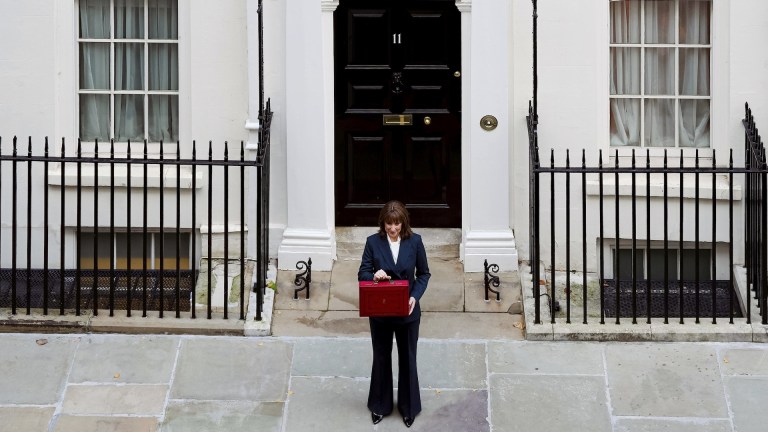
Despite its impact, hygiene poverty is mostly absent from national policy. The government’s child poverty strategy, published in December, made no reference to it. Campaigners from The Hygiene Bank have said that relatively modest interventions could make a difference: removing VAT from soap, for example, could save families £20–£40 a year.
Advertising helps fund Big Issue’s mission to end poverty
Sadly, the problem is only getting bigger.
“I have been a teacher for 30 years,” Smith said. “I genuinely think that the gap between the haves and the have nots in our in our society is broader than ever.”
Do you have a story to tell or opinions to share about this? Get in touch and tell us more.
Change a vendor’s life this winter.
Buy from your local Big Issue vendor every week – and always take the magazine. It’s how vendors earn with dignity and how we fund our work to end poverty.
You can also support online with a vendor support kit or a magazine subscription. Thank you for standing with Big Issue vendors.
Advertising helps fund Big Issue’s mission to end poverty