Advertising helps fund Big Issue’s mission to end poverty
Social Justice

Rich-poor divide set to widen in next 20 years as value of inheritance rockets

Fewer than one in three people will benefit from an inheritance - and the highest earners are twice as likely to do so.

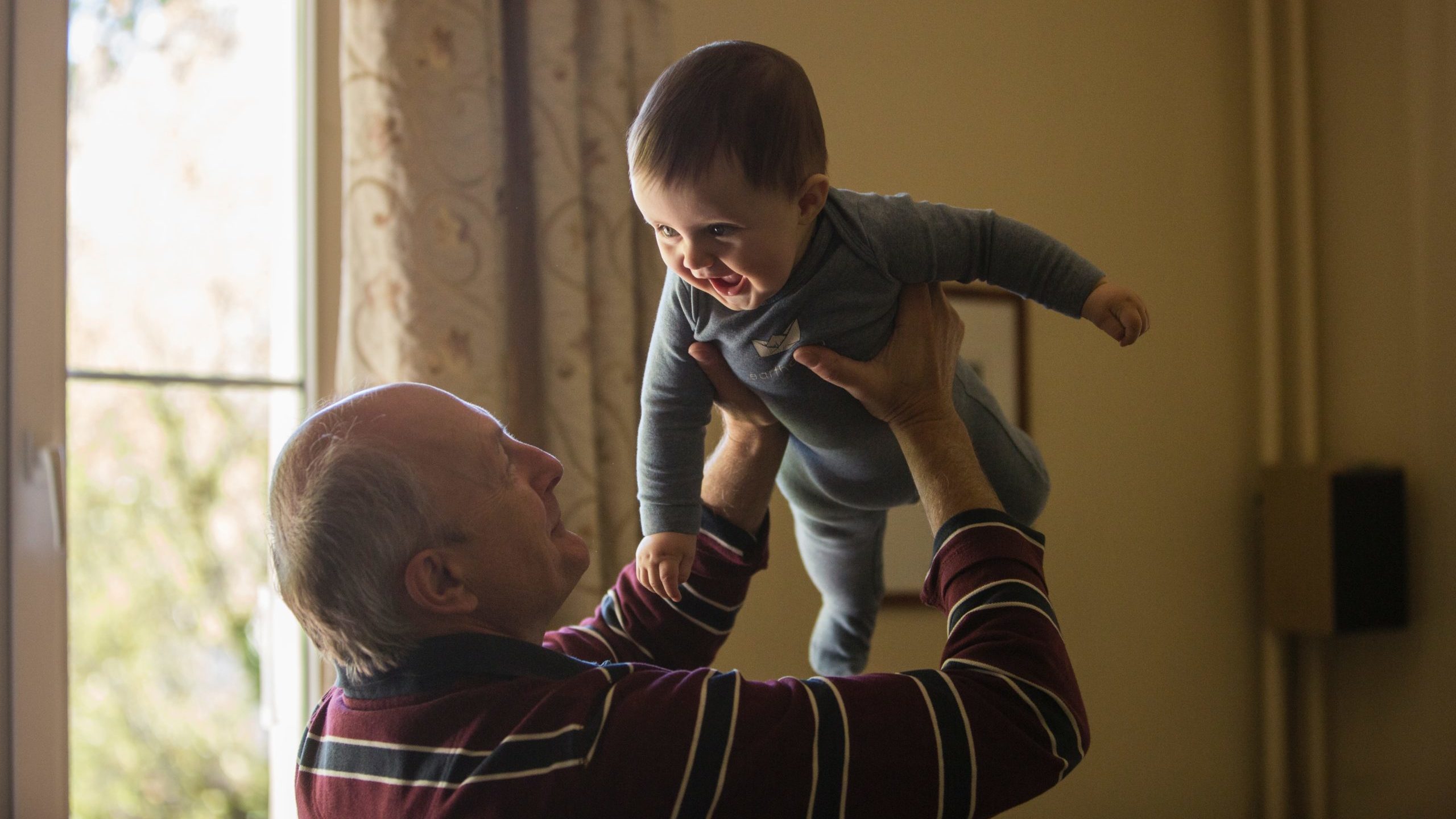
Image: Unsplash / Johnny Cohen

The divide between rich and poor will widen further over the next 20 years as the value of inheritance doubles, new research shows.

Around a third of people can expect to benefit from a big inheritance windfall, thinktank the Resolution Foundation has found, with the highest earners in society twice as likely to do so than the lowest.

Inheritances is becoming increasingly relied upon as a way to in to home ownership – with just one in 12 people aged 25 to 34 having sufficient savings to afford a standard deposit on the average first-time buyer home in their area.

It has been argued that the decline in homeownership among younger people is not a long-term problem because inheritances will allow them to eventually buy a home. Yet the typical age when 20- to 35-year-olds are projected to receive an inheritance is 61, according to the new research. 

Demand for houses and a continuing low supply has caused house prices to rise at the fastest annual pace for a January in 17 years, according to lender Nationwide.

“A 10 per cent deposit on a typical first-time buyer home is now equivalent to 56 per cent of total gross annual earnings, a record high,” said Robert Gardner, the building society’s chief economist.

Advertising helps fund Big Issue’s mission to end poverty

The likelihood that an individual will receive an inheritance is twice as high if they are in the richest fifth of earners compared to the poorest fifth, the Resolution Foundation report found, further exacerbating the divide between rich and poor and adding “significant amounts of luck into younger generations’ living standards.”

“A boom in household wealth over recent decades has led to expectations of a huge inheritance windfall. But inheritances go to too few – and too late – to resolve Britain’s youth home ownership crisis, with just a third of people having received or expecting to receive an inheritance,” said Jack Leslie, senior economist at the Resolution Foundation. 

“These wealth transfers often have a significant impact on the lives of recipients, enabling 1.6 million households to own a property that they wouldn’t have been able to otherwise. But with the highest-income families twice as likely to be recipients as the lowest, the benefits are far from evenly distributed.”

Advertising helps fund Big Issue’s mission to end poverty

Do you know how Big Issue 'really' works?

Watch this simple explanation.

Recommended for you

View all
I spent 60 hours sat in a bathtub in Leeds to show how my soap company can tackle addiction
Getting Clean's Chris Sylvester in the shower
Rehabilitation

I spent 60 hours sat in a bathtub in Leeds to show how my soap company can tackle addiction

British public don't back cuts to disability benefits – even Reform and Tory voters
The Disabled People Against Cuts (DPAC) in Norwich demonstrated outside the PIP offices in central Norwich in 2016
Disability benefits

British public don't back cuts to disability benefits – even Reform and Tory voters

Inside the charity warehouse offering thousands of families a cost of living lifeline every month
Keely Dalfen at Multibank North West's warehouse
Social Justice

Inside the charity warehouse offering thousands of families a cost of living lifeline every month

Do food banks need to exist until we end hunger? We'd rather live in a Food Bank Free Britain
campaign imagery showing woman holding up a sign calling for a food bank free britain
Stef Lake, Ronald Ranta and Carl Walker

Do food banks need to exist until we end hunger? We'd rather live in a Food Bank Free Britain