Advertising helps fund Big Issue’s mission to end poverty
News

Windrush child Don Letts: "Our parents were getting screwed"

The musical icon on why it took 'Top of The Pops' for his parents to understand his Rasta rebellion

Punky reggae pioneer Don Letts has told The Big Issue about his upbringing as a child of the Windrush generation.

In a Letter To My Younger Self the 62-year-old spoke about how his parents came to Britain with “their hopes and their dreams and their culture”and “basically got through by denying their roots, completely assimilating.” 

He goes on to recall his musical epiphany in 1971 seeing The Who, and why his musical ambitions caused tension at home:

“My ambitions, my rebellion in my exams, they drove an ever-growing wedge between me and my parents. It was a rocky road. When I first got my dreads they kicked me out of the house. From their perspective Rasta was something to be shunned. In the Fifties and Sixties Rastas were social pariahs in Jamaica. It wasn’t until the arrival of Bob Marley that they began to see it differently. And once they saw me on Top of the Pops, on TV, all of a sudden I made some sense to them. I was being accepted by white people and the mainstream and that had value to them.”

Letts also talks about musicians he misses, such as Amy Winehouse, Joe Strummer, and Ariane from The Slits. “Thankfully John Lydon’s still around. I owe him big time. Not only for the whole Sex Pistols thing, he was the first person to take me to Jamaica,” he said.

Read the full Letter To My Younger Self in this week’s Big Issue.

Advertising helps fund Big Issue’s mission to end poverty

Image: Dean Chalkey

Read the full article in this week's Big Issue.
Find your vendor
Prison Break
Advertising helps fund Big Issue’s mission to end poverty

Do you know how Big Issue 'really' works?

Watch this simple explanation.

Recommended for you

View all
Reacher author Lee Child: ‘What prisoners write is really interesting. Some are unbelievable’
Lee Child with his latest group in prisons
Prisons

Reacher author Lee Child: ‘What prisoners write is really interesting. Some are unbelievable’

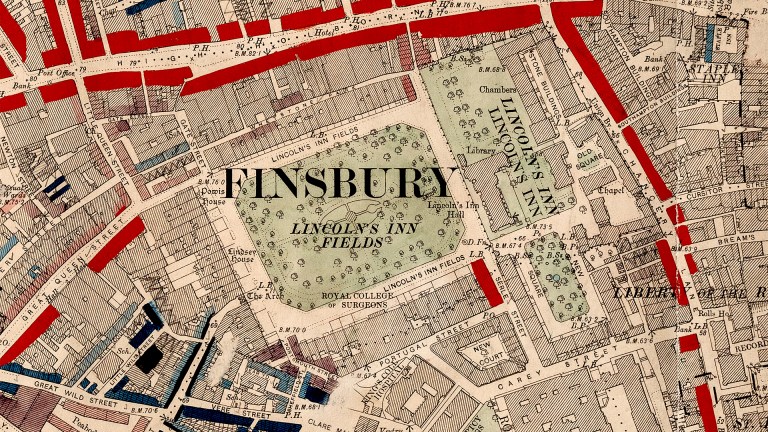
These 19th-century maps changed poverty in London. Today we have all the information we need to act
Charles Booth's 1889 colour-coded map of poverty in London
Ben Rogers

These 19th-century maps changed poverty in London. Today we have all the information we need to act

I was told I was 'too young' to have Parkinson’s when I applied for a Blue Badge
Joanne Robinson
Joanne Robinson

I was told I was 'too young' to have Parkinson’s when I applied for a Blue Badge

Meet the man whose goal is to fix the UK's faltering prison system with football
Crxssbar football
Prisons

Meet the man whose goal is to fix the UK's faltering prison system with football