Flooring isn’t just cosmetic
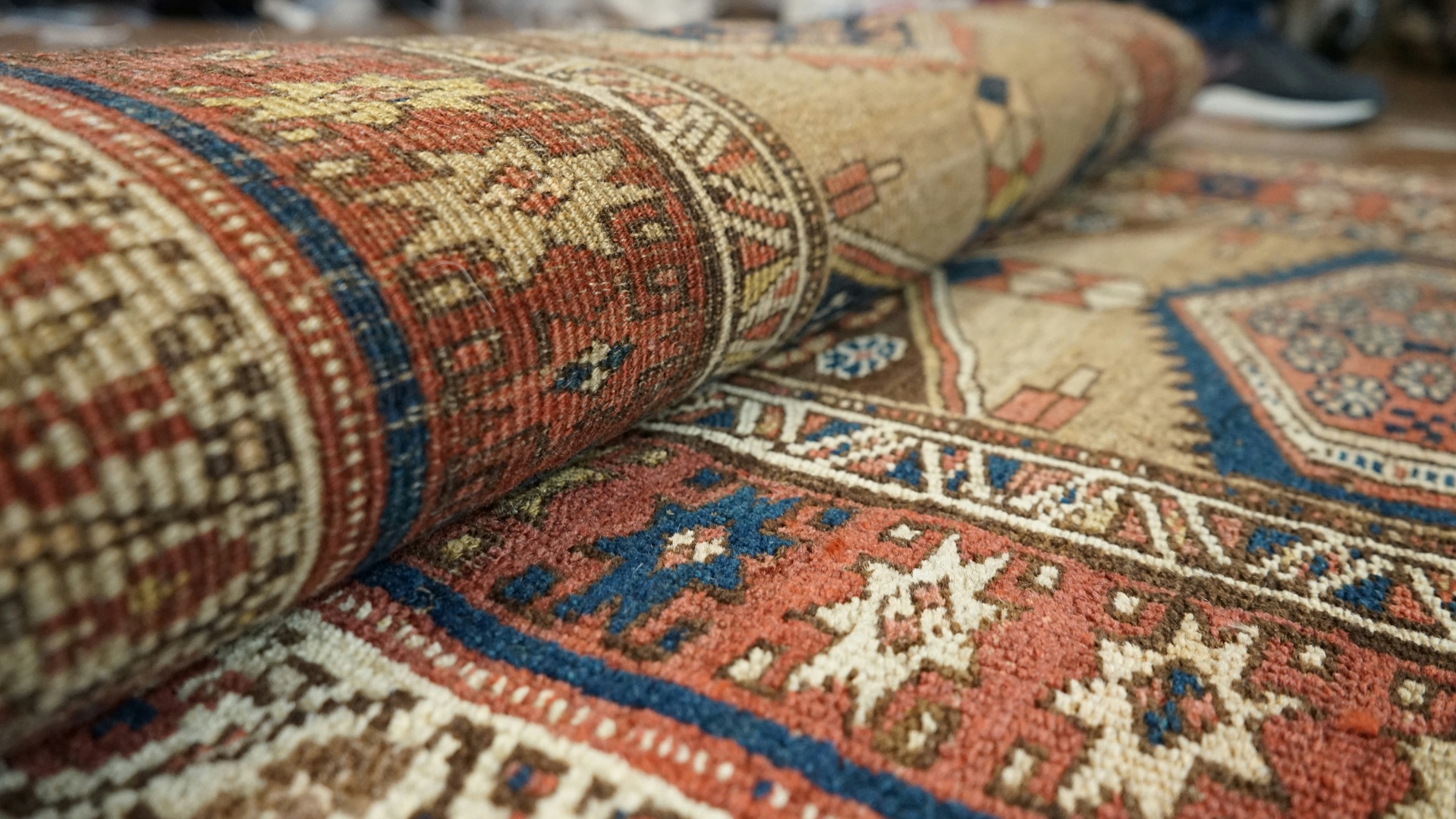
Flooring affects far more than appearance. It shapes how safe a home feels, how warm it is, how noise travels, and whether a space feels settled or temporary. For some tenants, it can be the difference between feeling able to move in with confidence or feeling they have to tread carefully, literally, from day one.
From my own experience, I’ve worked in many void properties where we were told to strip out perfectly serviceable floor coverings, not always because they were unsafe, but because if they stayed, the social landlord would be liable for them and responsible for maintaining them. I remember one ground-floor flat in particular with beautiful parquet flooring throughout the bedrooms and living areas, which we were still told to remove, which we stripped back to bare concrete. It felt like such a waste, both financially and environmentally, and left the property feeling colder and less welcoming for the next tenant. Unfortunately, this isn’t an isolated case. It often means families moving into homes with bare boards, cold and uneven concrete floors, and avoidable hazards, all in the name of policy compliance.
For many tenants, the impact doesn’t stop at inconvenience or safety concerns. Faced with empty rooms and children who need somewhere safe to play or sleep, tenants often feel they have little choice but to fund flooring themselves. That frequently means taking on debt, using high-interest credit, borrowing from family, or sacrificing other essential household costs simply to make a property liveable, reinforcing wider cycles of financial hardship that social housing is often meant to relieve.
Read more:
When a home is ‘ready’ but not liveable
The real impact of housing standards becomes clear when you look beyond policy documents and listen to the experiences of tenants themselves.
Last September, the BBC highlighted the experience of Kassie, a mother who moved into a social housing property in Halifax with her three children, only to discover the home had been left with bare and uneven floorboards. The property had been deemed ready for occupation despite the poor flooring. Facing a previous no-fault eviction and unable to afford carpets, with quotes reportedly reaching up to £1,700, Kassie described the situation as extremely stressful and emotionally overwhelming.
Advertising helps fund Big Issue’s mission to end poverty
Charities and community groups have increasingly stepped in to fill this gap. In Kassie’s case, the Noah’s Ark Centre arranged for donated carpets to be installed. Campaign groups estimate that more than a million homes across the UK lack adequate flooring in living areas or bedrooms, highlighting how widespread the issue has become. While support from charities is vital, it also raises questions about whether essential elements of making a property liveable should rely on voluntary or third-sector intervention.
Last June in Brighton, The Argus reported that Valentina, a single mother with a two-year-old, refused a council flat after viewing it and raising concerns about its condition. The property had bare floorboards with protruding nails and other features she felt were unsafe for her child. Despite this, the flat was initially deemed suitable, and unbelievably, Valentina was classed as intentionally homeless for refusing it.
Looking at the images published alongside the reporting, the condition of the flooring stood out immediately. Exposed gripper rods on the stairs, patches of old underlay still fixed down with nails or staples, and uneven latex that would continue to deteriorate under foot traffic. From a practical point of view, many reputable carpet fitters would refuse to lay flooring over surfaces like that without remedial work first.
These are not cosmetic issues. They are hazards, particularly for children, older people, or anyone with mobility issues. Yet they often fall into the grey space between what is technically compliant and what is genuinely safe or welcoming.
With the support of Acorn, Valentina’s case was eventually resolved: the council accepted the property was unsuitable, withdrew the eviction notice, and reinstated her on the housing register. But many tenants don’t have the confidence, support, or visibility to challenge decisions like this. They move in anyway, because refusing feels too risky.
A different way of thinking
Last year, I wrote an article about ‘carpet poverty’ after reading coverage that echoed what I’ve seen repeatedly on the ground. What struck me then, and still does, is how often flooring is treated as a non-issue, even though for tenants it can shape whether a property feels truly habitable. Yet despite this clear reality, the upcoming revision of the decent homes standard has decided not to make floor coverings mandatory.
Advertising helps fund Big Issue’s mission to end poverty
I know some social landlords do the right thing and do actually provide floor coverings, so hats off to them. But for others, it’s now going to be a case of working with what they’ve got.
Small, practical measures could make a significant difference in improving tenants’ experiences. These include retaining serviceable flooring where it is safe and hygienic to do so, rather than stripping it out unnecessarily. Using simple waivers could help clarify who is responsible for maintenance and repairs, reducing confusion for both landlords and tenants. Removing gripper rods and fixings from floors, but keeping them safely stored and available for future use, would eliminate avoidable hazards while preserving options for later carpet fitting. Most importantly, ensuring floors are genuinely safe and secure to walk on, even if unfurnished, is a fundamental step toward creating a home that tenants can move into with at least some confidence and peace of mind.
One further issue is that many tenants only get the chance to view empty properties once refurbishment work has already started, which makes the idea of gifting existing flooring challenging without much better planning and coordination. In voids, too often, existing floor coverings are removed and discarded early in the process by rubbish clearance teams, sometimes before void operatives even begin their work. This not only wastes perfectly serviceable materials but also removes options that could save time, money, and reduce environmental impact.
This situation points to a wider problem of poor communication and coordination within housing management teams, where scheduling and handovers between different contractors and departments are not aligned. Improving these processes could make a real difference in preserving flooring and ultimately providing tenants with safer, more comfortable homes from day one.
Beyond compliance
Every family deserves a home that is safe, comfortable, and welcoming from the moment they move in. That isn’t just about meeting a standard on paper; it’s about dignity, well-being, and the ability to feel settled.
The decision to drop mandatory floor coverings under the decent homes standard shouldnot be read as a signal that flooring doesn’t matter. If anything, it highlights how far we still have to go in aligning policy, practice, and lived experience.
Advertising helps fund Big Issue’s mission to end poverty
So it’s a disappointing decision in my eyes. The social housing sector exists to provide people with warm, comfortable, affordable homes and often prides itself on its charitable mission. But how can that mission be fulfilled when, for example, a young family with a baby is handed keys to a home with splintering floorboards and cold, bare concrete floors?
It’s a failure to meet the basic standards of decency and dignity that people deserve.
Joe Carpenter* is the author of ebook Middle Ground: A Frontline Journey In Social Housing. Find his work at linktr.ee/fromthemiddleground.
*Not his real name.
Do you have a story to tell or opinions to share about this? Get in touch and tell us more.
Change a vendor’s life this winter.
Advertising helps fund Big Issue’s mission to end poverty
Buy from your local Big Issue vendor every week – and always take the magazine. It’s how vendors earn with dignity and how we fund our work to end poverty.
You can also support online with a vendor support kit or a magazine subscription. Thank you for standing with Big Issue vendors.