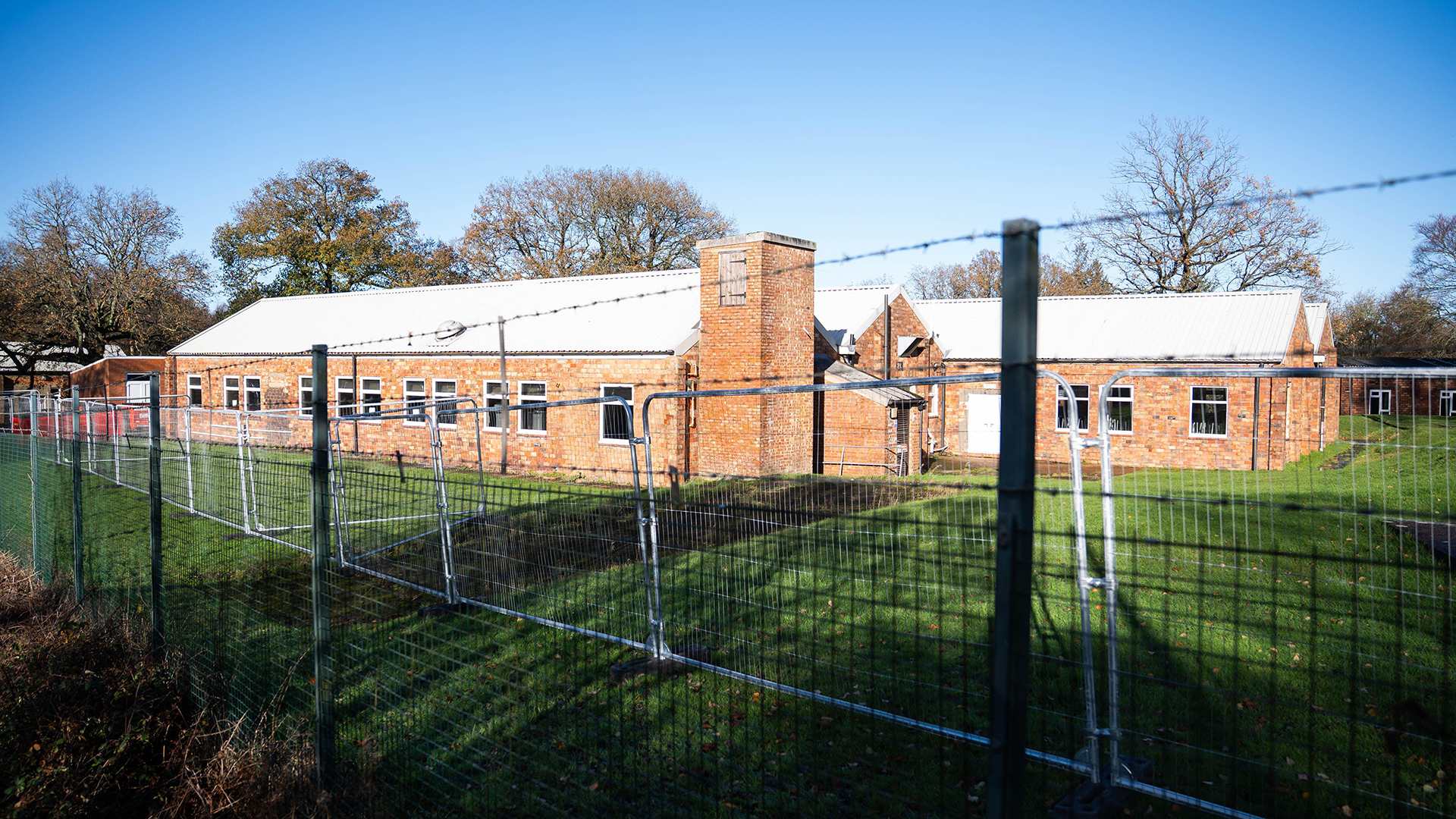
Human rights organisations have repeatedly warned about these problems. Just Fair and Human Rights Watch’s research warning that converting military sites into mass, institutional accommodation compounds the worst features of the government’s failed efforts to house people in hotels for long periods with the very real risks of securitised, large-scale settings.
The people housed there reported that they were depressed, that their mental health had deteriorated, that they were exposed to disease outbreaks, and that they had little access to legal advice or information about their futures. These conditions are wholly incompatible with the human rights to housing, health and an adequate standard of living. This was not an abstract warning on paper, but lived realities that stripped people of dignity.
The political context matters. Voters regularly cite immigration as a top concern, and the issue is regularly amplified in the media and used as a wedge to divide communities. Politicians of all parties feel compelled to respond. But quick-fix optics should not come at the expense of basic human rights, nor should they obscure the evidence that measures designed to deter people from seeking safety in the UK fail while causing serious harm.
When the previous Conservative government announced its intention to resume use of military barracks in 2023, Labour called it “an admission of failure,” and pledged that once in power they would “set out a new fast track system…so we can end hotel use, the barges, the [military] bases, all of that and get back to a proper functioning system.”
The new Home Affairs Committee report, underscores the same point: ministers cannot fix a broken system by doubling down on failed, harmful measures. Instead of learning from the past, the government risks repeating it, at the expense of people’s safety, dignity, and rights.
Read more:
Advertising helps fund Big Issue’s mission to end poverty
If ministers are serious about reducing reliance on costly hotels and improving outcomes, the solution is not barracks. It is investing in community-based accommodation, scaling up legal support, and speeding up fair decisions so people are not left destitute and invisible.
Another obvious step would be to let people seeking asylum work while their claims are processed. This would reduce pressure on the public purse, allow people to support themselves, and help them integrate, a humane and practical alternative to indefinite warehousing. Human rights organisations, service providers and MPs across the political spectrum have repeatedly flagged the human cost of large-scale, securitised accommodation. The UK government should treat those voices as evidence, not inconvenience. The moral test of our asylum system is how it treats the most vulnerable. Barracks fail that test.
Once upon a time, Labour denounced the Tories for cramming people seeking asylum into military camps. Now, in government, they’re dusting off the very same failed playbook.
If the UK is to regain legal and moral credibility on asylum, ministers need to abandon plans to repurpose military sites and instead commit to a rights-based overhaul, restoring properly funded support services and ensuring that every person has access to legal advice and health care while their claim is considered.
Anything less will be a choice for harm, not a solution.
Alex Firth is advocacy and communications officer at Just Fair, and Michael Bochenek is a senior legal advisor at Human Rights Watch.
Advertising helps fund Big Issue’s mission to end poverty
Do you have a story to tell or opinions to share about this? Get in touch and tell us more.
Change a vendor’s life this winter.
Buy from your local Big Issue vendor every week – and always take the magazine. It’s how vendors earn with dignity and how we fund our work to end poverty.
You can also support online with a vendor support kit or a magazine subscription. Thank you for standing with Big Issue vendors.