Homelessness is a growing global problem that has a catastrophic impact on the lives of the people and communities affected by it.
The global picture is stark. Estimates of the number of people experiencing homelessness vary, but if the global population of people thought to be living on the streets or in temporary shelter were counted as a single country, they would number in the hundreds of millions, comparable in size to the United States of America.
As the climate crisis intensifies, this number is at risk of growing. Already, over 20 million people are forced to leave their homes each year due to extreme weather events, including heavy rainfall, droughts and cyclones. The World Bank projects that, by 2050, climate change could drive up to 216 million internal displacements.
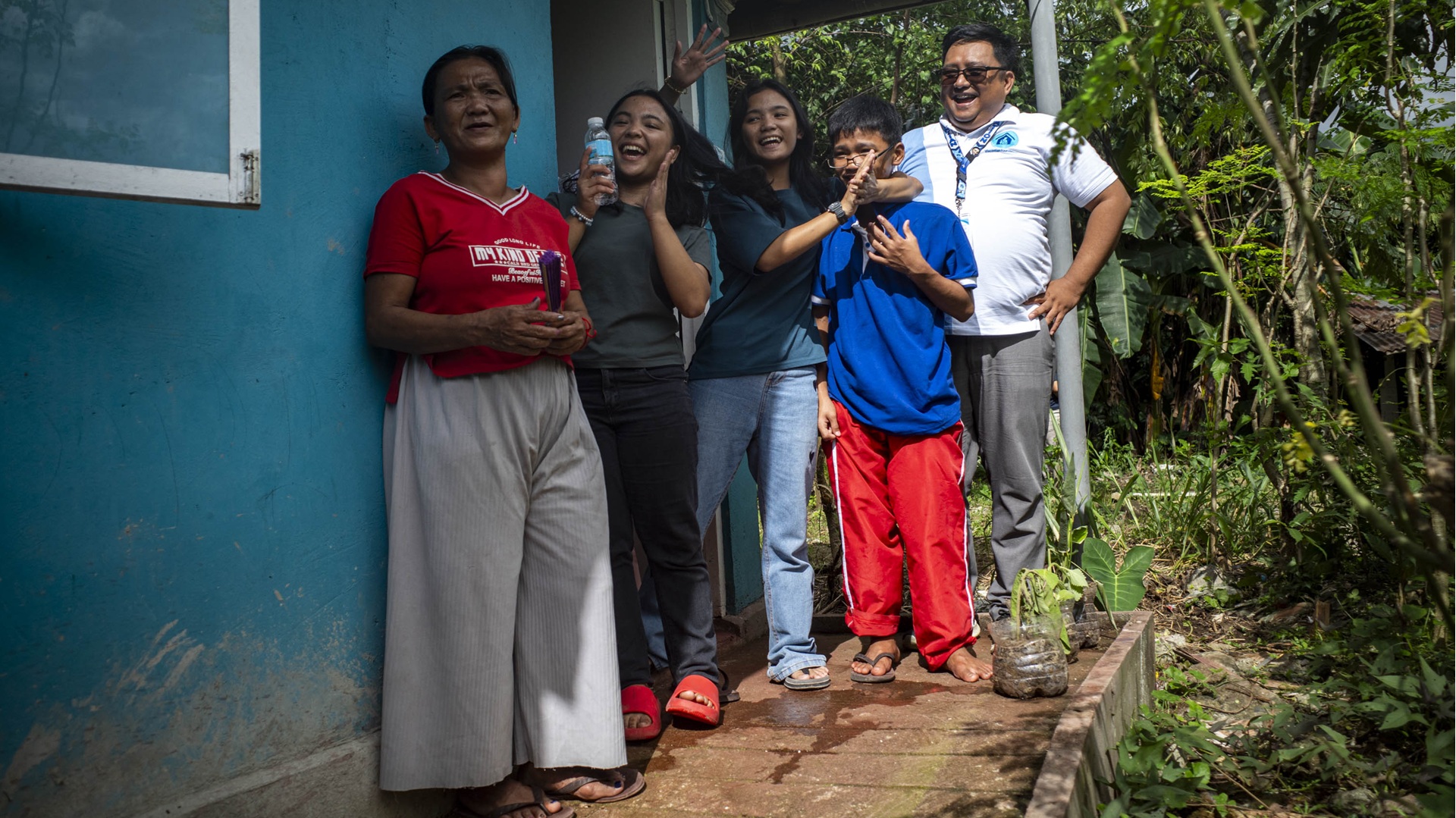
Whilst on a recent trip to the Philippines, the most disaster-risk country in the world, I saw the impact of this crisis first-hand. One family I spoke with told me about heavy rains which had caused their shelter to collapse, killing their father; with nowhere else to go and no access to safe, quality housing, they had no choice but to rebuild a makeshift shelter on the same site.
Sadly, their story is not unique. It is repeated time and again around the world, as those with the fewest resources are left most vulnerable to the impacts of climate change.
It’s something our Depaul teams around the world are seeing more often as temperatures increase. 2024 was the hottest year on record, and those sleeping on the street are more exposed to overheating due to a lack of access to shelter.