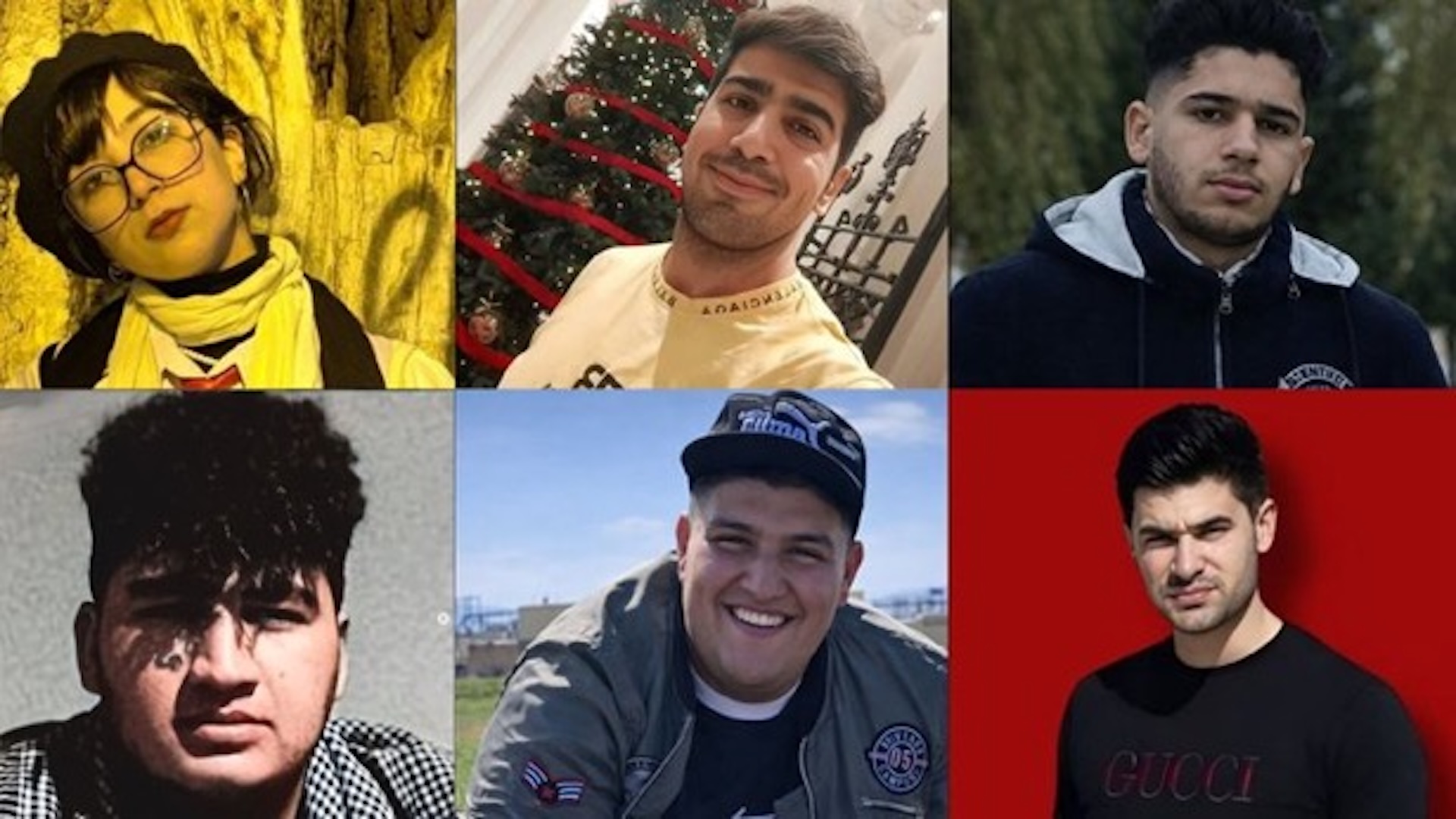
Human rights groups including Amnesty International and Human Rights Watch have independently documented the violent crackdown by Iranian authorities, which has included unlawful firearm use, metal pellet shotguns, tear gas, beatings and widespread arbitrary arrests targeting largely peaceful demonstrators.
Despite a brutal security response that has included heavy deployment of the Islamic Revolutionary Guard Corps (IRGC) and other state forces, demonstrators have continued to mobilise. Reports have emerged of hospitals being raided and wounded protesters and medical staff targeted including inside Imam Khomeini Hospital in Ilam, where security forces reportedly fired tear gas and bullets at patients and staff treating the injured. These actions, condemned by international observers as violations of international humanitarian law, have added to the breadth of documented abuses.
In response to the crackdown, the global community has begun to speak out. The United Kingdom has publicly condemned the “horrendous and brutal killing” of protesters, summoned the Iranian ambassador and announced expanded sanctions targeting Iranian authorities and sectors connected to repression. The European Union has rejected violence against protestors and called for respect for the rights of peaceful demonstrators.
Amid this backdrop of repression and resilience, the Anglo-Iranian community in the United Kingdom stands with the Iranian people. We have watched with grief and determination as our compatriots faced unrelenting violence for exercising their fundamental rights. Iranian voices from working families to students, women, men and young people have echoed an unmistakable message: they do not want the current theocratic regime, and they reject any return to past monarchic regime. Their chants and slogans make clear that the future they seek is one of freedom, equality, dignity, and democratic governance. The people in Iran want a republic, democratic, secular and free Iran. They are chanting: “Death to the oppressor: be it the Shah (the former dictator in Iran), be it the supreme leader (Khamenie).”
In the face of such a profound and courageous struggle, we urge the UK government to take decisive actions that reflect both our values and the urgent human rights crisis in Iran:
We want it to proscribe the IRGC (Islamic Revolutionary Guard Corps) without further delay recognising it as an organisation directly involved in severe human rights abuses and violent repression of peaceful protestors across Iran.
Advertising helps fund Big Issue’s mission to end poverty
It should close the Iranian regime’s embassies in the UK, as long as they function as instruments of state repression abroad and serve as hubs for propaganda and espionage activity aimed at Iranian communities and dissidents.
The UK should expel the regime’s official and unofficial agents who lobby on its behalf in the UK, including those engaged in undermining legitimate protest movements and spreading misinformation that seeks to divide and weaken the resolve of demonstrators.
And it should recognise the right of the Iranian people, rebellious youth, and Resistance Units to defend the protestors against suppression and to offer sanctuary and support to those fleeing persecution.
The crisis in Iran is not static. Despite near-total internet blackouts imposed by the regime, credible reporting continues to emerge from inside the country and through diaspora networks, revealing the persistence of protest activity, the bravery of demonstrators, and the extent of state violence.
The Iranian people’s demands resound with clarity: they seek a future free from repression, where their voices cannot be silenced by force or censorship. The UK must stand not only in condemnation but in concrete support of those aspirations, aligning its policies with the moral imperative to protect human rights, uphold democratic values, and support the legitimate struggle of a people yearning for freedom.
Dr Ela Zabihi is a lecturer at City, University of London and a committee member of Women for a Free Iran, a network of professional women in the UK campaigning for women’s rights in Iran.
Advertising helps fund Big Issue’s mission to end poverty
Do you have a story to tell or opinions to share about this? Get in touch and tell us more.
Change a vendor’s life this winter.
Buy from your local Big Issue vendor every week – and always take the magazine. It’s how vendors earn with dignity and how we fund our work to end poverty.
You can also support online with a vendor support kit or a magazine subscription. Thank you for standing with Big Issue vendors.