Advertising helps fund Big Issue’s mission to end poverty
Opinion

The UK is one of the most nature-depleted countries on Earth – here's what needs to change

When ecosystems unravel, it affects everything from food security to public health, to protecting homes from floods

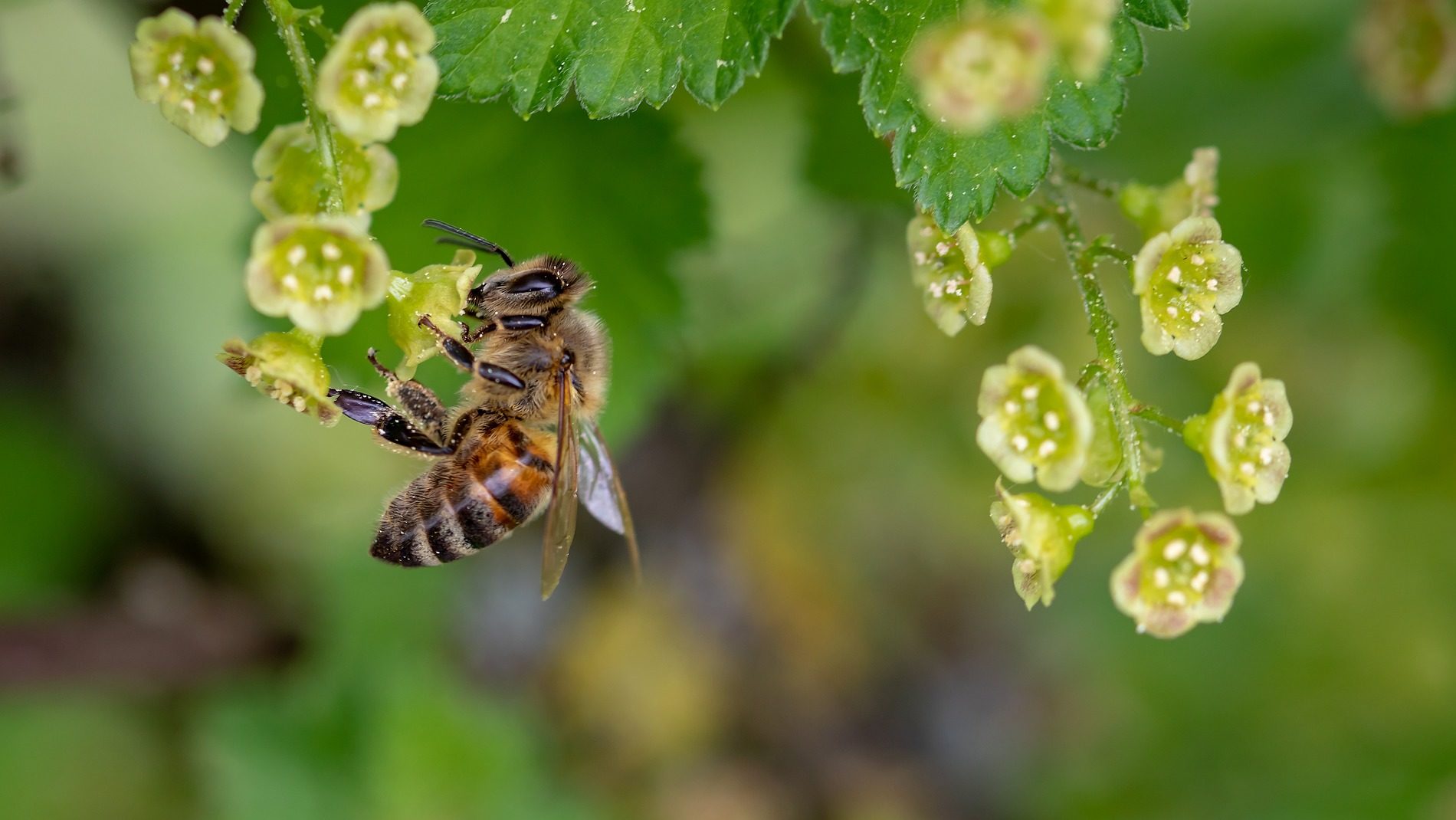
A bee on a plant.

The approval comes just days after the IPCC warned that biodiversity is in severe danger. (Image: Pixabay)

The latest update of the UK’s Biodiversity Indicators – published last week – tells a familiar and worrying story: we live in one of the most nature-depleted countries on Earth. Birds and butterflies continue to decline, while the condition of protected wildlife areas see virtually no improvement. Without a major shift in how we build and invest, nature will keep deteriorating with huge consequences for our collective future.

Research shows the UK has just 53% of its biodiversity intact, placing us in the bottom 10% of countries worldwide – and the lowest in the G7. This means that one in six species across Great Britain is now at risk of extinction.

These numbers are not abstract warnings; they represent quieter dawns, emptier skies and hedgerows, and rivers that fail to support even once-common wildlife. And when ecosystems unravel, it affects everything from food security to public health, to protecting homes from floods.

The government’s updated Environmental Improvement Plan (EIP) acknowledges the crisis and offers more structure than its predecessor. Yet it still falls short. While the plan includes welcome commitments on habitat creation and protected sites, it leans heavily on future consultations, voluntary measures and untested private finance – risking a repeat of past failures to halt nature’s decline.

If ministers are serious about the UK’s legally binding 2030 targets then nature-positive planning must guide the whole system. That starts with the government’s housebuilding agenda. The choice is not between building and nature, but between outdated, sprawling development and climate-resilient homes with nature woven meaningfully into every street. High-quality green space, wildlife corridors and sustainable transport must be considered integral, not optionally tacked on down the line.

There are easy wins too. Mandating swift bricks (simple nestboxes built into walls) provides homes for a declining migratory bird. Gaps in fences can create ‘hedgehog highways’ and reconnect urban habitats. Tree-lined streets cool neighbourhoods, improve air quality and offer refuge for birds and insects. These practical, popular measures should be universal requirements.

Advertising helps fund Big Issue’s mission to end poverty

Beyond the neighbourhood scale, the UK needs to step up its commitment to protect 30% of land and sea for nature by 2030 – and ensure these areas are properly funded, monitored and protected from damaging development. The latest calculations show under 6% of the UK’s land is currently well managed for nature. As the Office for Environmental Protection noted last week, these places can play a “pivotal role” in nature recovery, while also providing major economic and social benefits.

Connecting wild areas is also crucial because nature cannot recover in isolated pockets. Local Nature Recovery Strategies offer a promising way to link wetlands, woodlands and meadows – but planning authorities need clear rules so that growth works with nature, not against it.

Sustainable transport routes offer more opportunities for creating habitat. Well-designed cycling and walking routes can double as green corridors, boosting pollinators and urban biodiversity.

The alternative to this green shift is bleak: worsening floods, more polluted rivers, disappearing wildlife and another decade of missed environmental targets. People want cleaner, greener, healthier places to live. Nature-positive planning is one of the fastest, most effective ways to deliver that, with additional boosts to wellbeing and climate resilience.

The new environmental plan sketches the outline of a more ambitious approach. But unless the government strengthens protections, properly funds regulators and stops projecting nature laws as obstacles to development, UK biodiversity will remain on a downward curve.

The choice is simple: put nature at the heart of decision-making or continue to preside over its decline.

Sienna Somers is a nature campaigner for Friends of the Earth.

Do you have a story to tell or opinions to share about this? Get in touch and tell us more

Change a vendor’s life this Christmas.

Buy from your local Big Issue vendor every week – or support online with a vendor support kit or a subscription – and help people work their way out of poverty with dignity.

Advertising helps fund Big Issue’s mission to end poverty

GIVE A GIFT THAT CHANGES A VENDOR'S LIFE THIS CHRISTMAS 🎁

For £36.99, help a vendor stay warm, earn an extra £520, and build a better future.
Grant, vendor

Recommended for you

View all
Every child deserves the chance to dream, learn and play – without poverty holding them back
A group of children sitting on a bench together.
Lynn Perry

Every child deserves the chance to dream, learn and play – without poverty holding them back

Is social media finally losing its grip on us?
Paul McNamee

Is social media finally losing its grip on us?

What's the most important part of any urban landscape? The people who inhabit it
Julie Adams

What's the most important part of any urban landscape? The people who inhabit it

To avoid climate catastrophe we must reimagine our relationship with nature – and with each other
Cameron Saul

To avoid climate catastrophe we must reimagine our relationship with nature – and with each other