Read more:
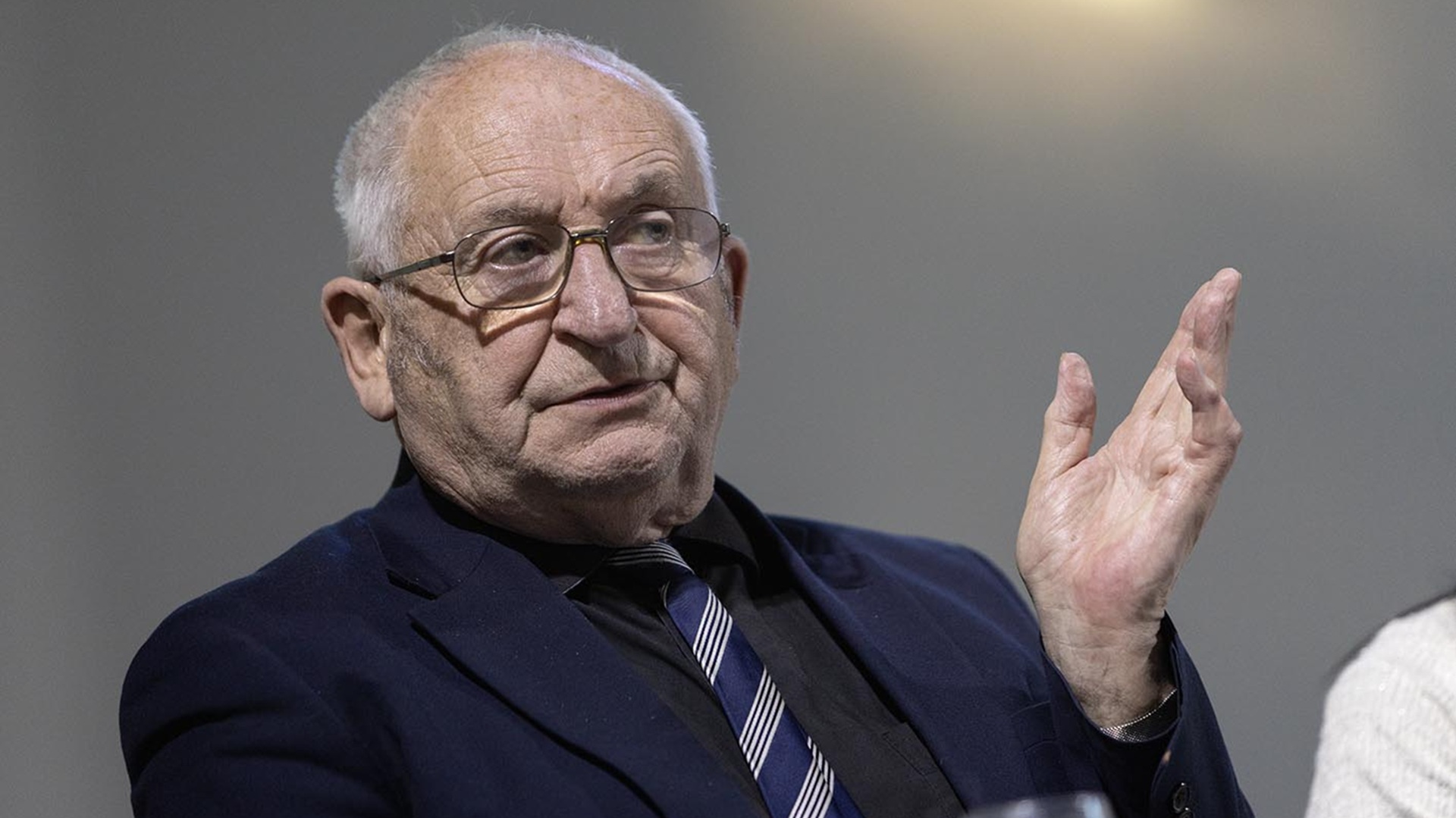
“The absence of ambitious targets to propel forward this government’s mission to reduce child poverty is deeply concerning,” the crossbench peer said. “In this challenging economic climate, there is every reason to worry warm words will not translate into tangible progress.”
There are legal targets for other policies – climate change, air quality, and biodiversity, for example. The net-zero target is a legally binding target to reduce net greenhouse gas emissions to zero by 2050.
Keep reading the journalism that powers our mission
Register free to continue and learn more about the stories, campaigns and the support we provide, helping people facing poverty across the UK.
Without similar targets for child poverty reductions, delivery could be threatened, the Institute for Fiscal Studies (IFS) warned.
“The government has not set an explicit numerical target for child poverty, beyond stating that it wants child poverty to fall,” said Tom Wernham, a senior research economist at the IFS.
The Institute’s analysis added that there is “considerable uncertainty over how large a reduction in measured poverty these policies will ultimately deliver, partly due to genuine economic uncertainty.”
Advertising helps fund Big Issue’s mission to end poverty
In October, Big Issue led an open letter calling on the government to set measurable targets to track progress on child poverty.
The letter had the backing of more than 50 signatories – including the actor Emilia Clarke, broadcaster Chris Packham and presenter George Clarke, as well as dozens of children’s charities and MPs.
“Quite simply, we’re worried that the government does not want its homework marked when it comes to child poverty,” the letter read.
Today, letter signatories said that they feared this had become the case.
The National Children’s Bureau said it wanted to see “binding targets for further reductions over 10 years but this level of ambition is sadly missing”.
Previously, the children’s charity Barnardo’s has urged the government to set a target to reduce child poverty to no more than 28% in this parliament, down from the current level of 31%, and to halve child poverty in 10 years.
Advertising helps fund Big Issue’s mission to end poverty
These targets are missing in the strategy, as are regular updates to parliament.
Barnardo’s chief executive Lynn Perry “warmly welcomed” the strategy but indicated that it does not go far enough.
“Whist this is a landmark moment, we must also remember that even with these important changes, close to four million children are still set to be living in poverty in 2029,” said Perry. “We must work together as a society to change this. Every child deserves the chance to dream, learn and play without poverty holding them back.”
Earlier this year, Lord Bird proposed an amendment to the Children’s Wellbeing and Schools Bill that would have placed a duty on government to set legally binding targets
The government rejected the amendment at committee stage. The minister argued that such targets were “not an effective means of binding government to a specific course of action”.
However, this will not be the government’s last opportunity to adopt binding goals.
Advertising helps fund Big Issue’s mission to end poverty
Lord Bird will reintroduce his child poverty target amendment to the Children’s Wellbeing and Schools Bill when it returns for its report stage in the House of Lords. He has the support of a number of leading peers, including Baroness Ruth Lister, honorary president of the Child Poverty Action Group.
“Surely there is no greater threat to a child’s wellbeing than poverty,” Lord Bird said. “Any legislation that overlooks this fact is not worth its salt.”
Do you have a story to tell or opinions to share about this? Get in touch and tell us more.
Change a vendor’s life this Christmas.
Buy from your local Big Issue vendor every week – or support online with a vendor support kit or a subscription – and help people work their way out of poverty with dignity.