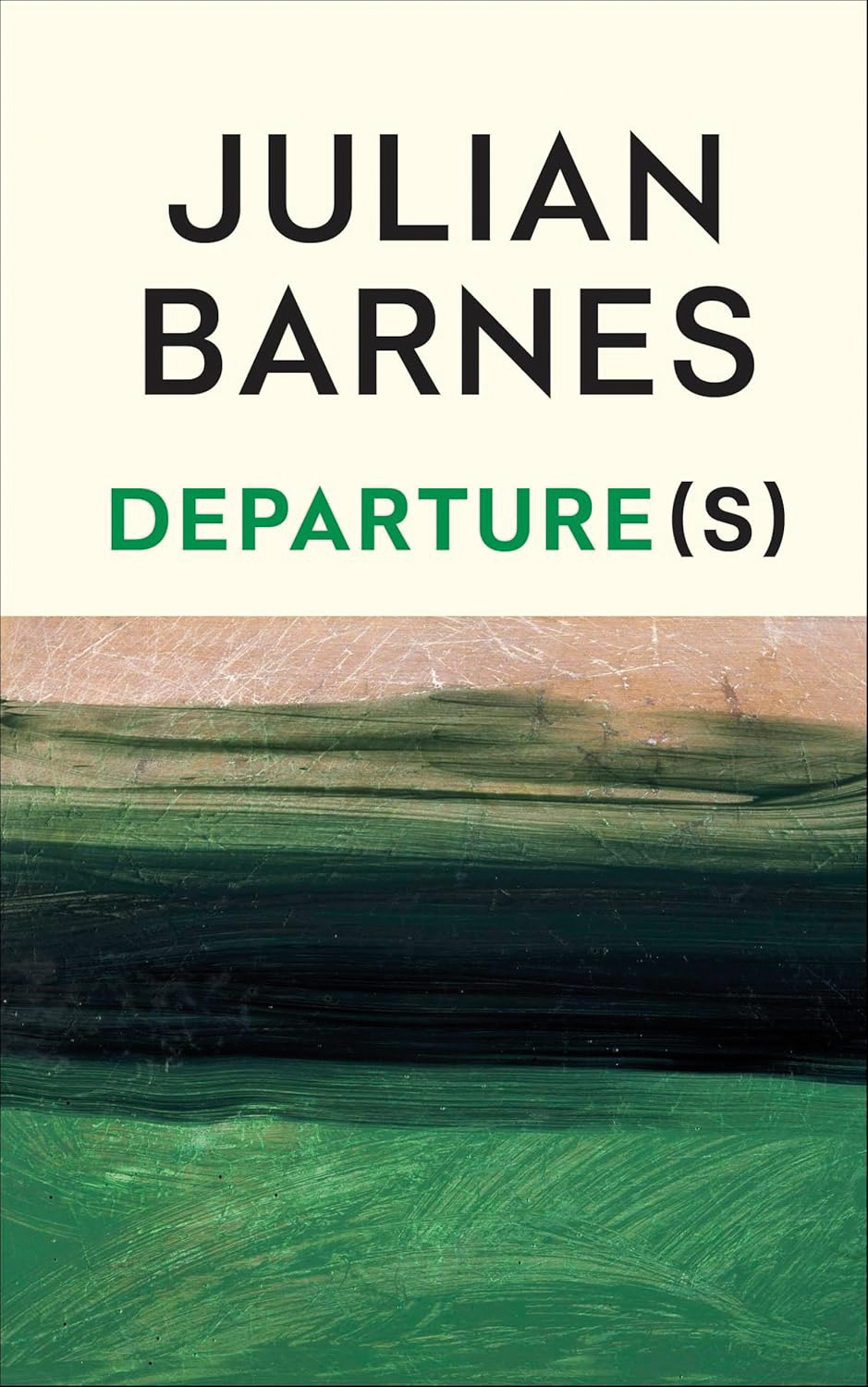
All of the famous literary ‘mafia’ of 1970s London seem to have written their swan songs. They would, of course, resist the cliched idea of such a genre, and the notion that Martin Amis, Christopher Hitchens, Ian McEwan and Julian Barnes constituted anything like a ‘mafia’. But readers often like to follow their writers’ work through their own lives. And it’s useful to compare.
Barnes has long been obsessed with death. As in many of his books, this universal topic is dealt with in structurally unique ways in his new book, Departure(s). We have four sections, a diary-like progression through time, but interspersed with long and unannounced diversions at the whim of our narrator.
We saw the same all through his wonderfully erudite and entertaining Flaubert’s Parrot, which made his name in 1984. His latest novel is not really a novel, and more a memoir with the names changed. The hero of Departure(s) is the novelist himself.
Julian has two friends from university, Jean and Stephen, who fall in love. Their journey from youth to old age is the main thread of our sketchy narrative, though quite what it has to do with Barnes’s main leitmotif – death and its coming – is not quite clear.
Stephen and Jean are both perfectly amiable characters, though left frustratingly underdeveloped and voiceless by the end of this short book. Barnes specialises in bringing together diverse threads: reflections on literature, politics, contemporary morality, pop science. But I don’t think he’s quite so successful here.
The narrator breathes a certain sentimentality missing from the wonderfully written The Sense of an Ending, which shares a similar subject matter. The simplicity of the plot is not quite offcut by the intricacy of the links that bind together his best works.