Families face a bitter fight for SEND support in the UK: 'It nearly killed us emotionally and financially'
Big Issue has spoken to seven families about their fights for educational support for their disabled children, as the government prepares to announce plans to overhaul the system
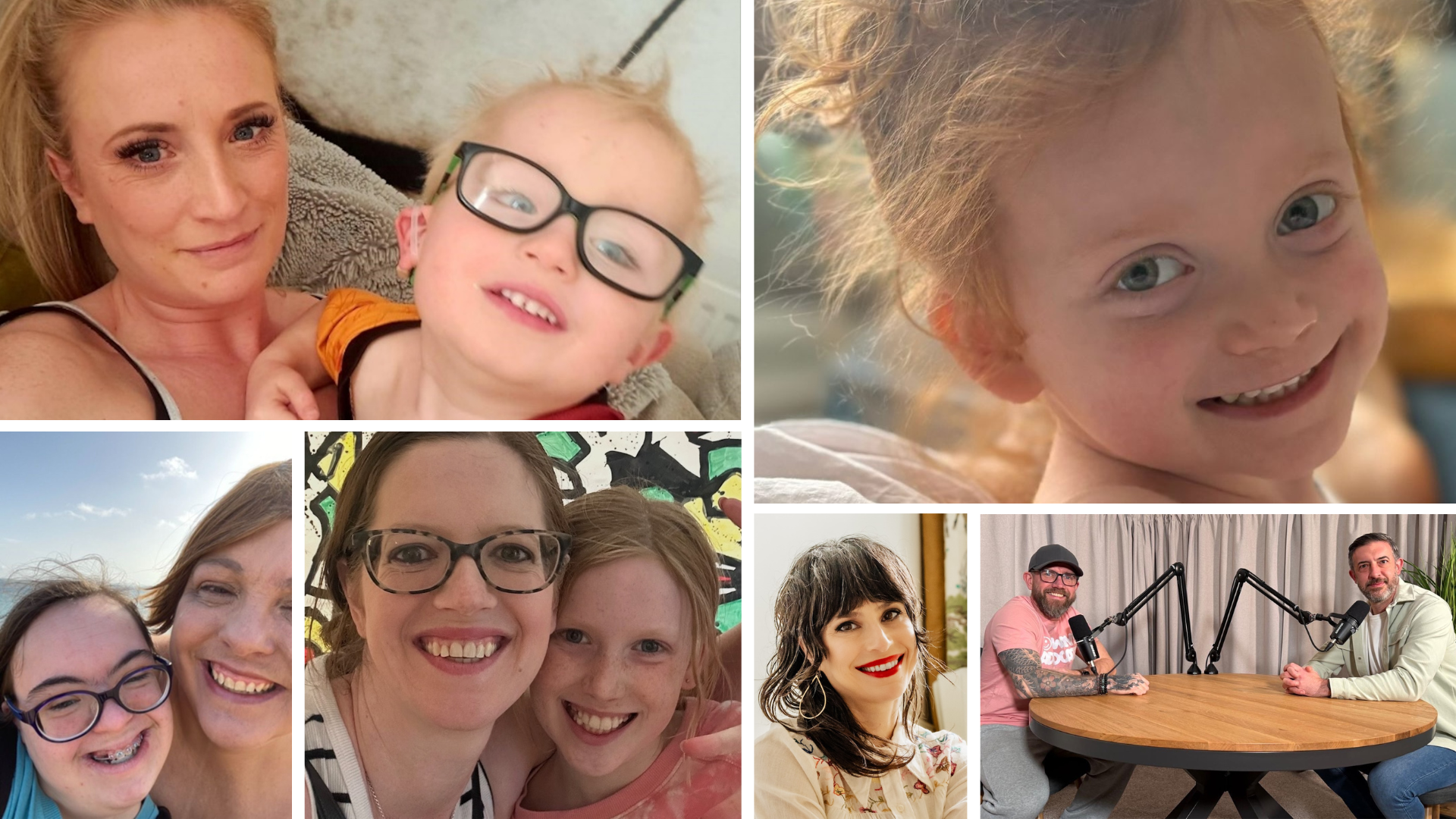
Big Issue has spoken to a number of families with children with SEND who have struggled to navigate the system. Images: Supplied
Share
Children with special educational needs and difficulties (SEND) are going months – sometimes years – without education because there is not enough provision to support them in schools.
The Big Issue has spoken to families across the UK whose disabled children have experienced “trauma” and “significant emotional distress” in an education system which is not designed to meet their needs.
The government is preparing to announce a series of reforms to overhaul the system, with a long-awaited white paper on plans for SEND expected to be published in a matter of weeks.
The Department for Education has said it is on a “mission to reform the SEND system so that schools can take children from forgotten to included and give parents the confidence that the right support will be there at every stage of their child’s education”.
However, while details of the plans are yet to be published, there are fears that some of the measures may be focused on cost-cutting rather than genuine support for SEND children.
Advertising helps fund Big Issue’s mission to end poverty
Advertising helps fund Big Issue’s mission to end poverty
Nearly half (47%) of parents fear the current educational support for their disabled children could be reduced further, according to recent research from national disability charity Sense.
Families have raised concerns about long-waiting times, inconsistent decisions and costly processes which leave children without the support they need – and support to which they are legally entitled.
James Watson-O’Neill, chief executive of Sense, said: “A shocking number of children are being failed by a baffling and underfunded SEND system. Too many are falling through the cracks – at the cost of their happiness, wellbeing and future life chances.
Keep reading the journalism that powers our mission
Register free to continue and learn more about the stories, campaigns and the support we provide, helping people facing poverty across the UK.
“So it’s little surprise that parents feel deep anxiety and distrust about the upcoming education reforms. If their children’s legal rights are weakened any further or there’s an attempt to cut spending, the consequences could be devastating.”
Disturbingly, the Big Issue has heard from parents with children as young as four who are causing themselves harm because they are so distressed in school.
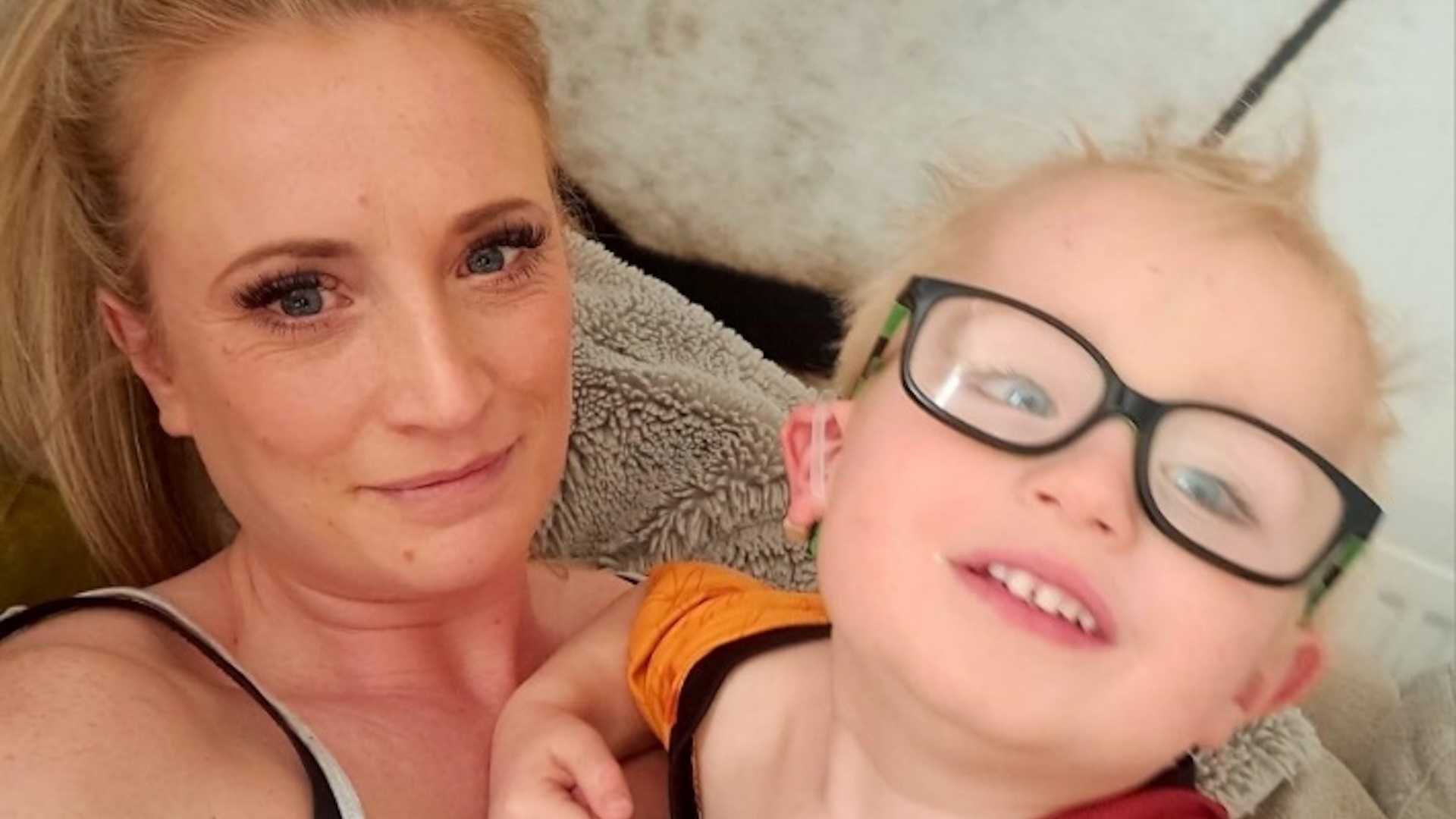
Kimberly Hind and her five-year-old son Harvey. Image: Supplied
Kimberly Hind, whose five-year-old son Harvey is deafblind, describes how he would make himself sick and pull out his bilateral cochlear implants because he was so stressed by the thought of going to nursery. He stopped sleeping and eating, and he was “sad all the time”.
Advertising helps fund Big Issue’s mission to end poverty
“He’s never done that in any other situation,” Hind recalls. “He’s not that type of child who releases frustration through hurting himself or being sick. He’d just never done it. It affected the whole family.”
It took the family 18 months of fighting to secure an Education, Health and Care Plan (ECHP), a legally-binding document which sets out what support a child or young person with SEND needs. Hind had to give up work to support him.
Two in five parents (40%) surveyed by Sense said they had been forced to reduce their working hours due to a lack of appropriate support for their child, while more than a third (35%) had left their job altogether.
After Harvey received his EHCP, it was seven more months of waiting before he started his place at his specialist school.
“He’s like a different child,” Hind says now that he has started at the school. He is excited to go to school.
But Hind fears that the trauma that he experienced in those two pivotal years of his childhood – from the age of two to four – will be with him for a “long time, if not forever”.
Advertising helps fund Big Issue’s mission to end poverty
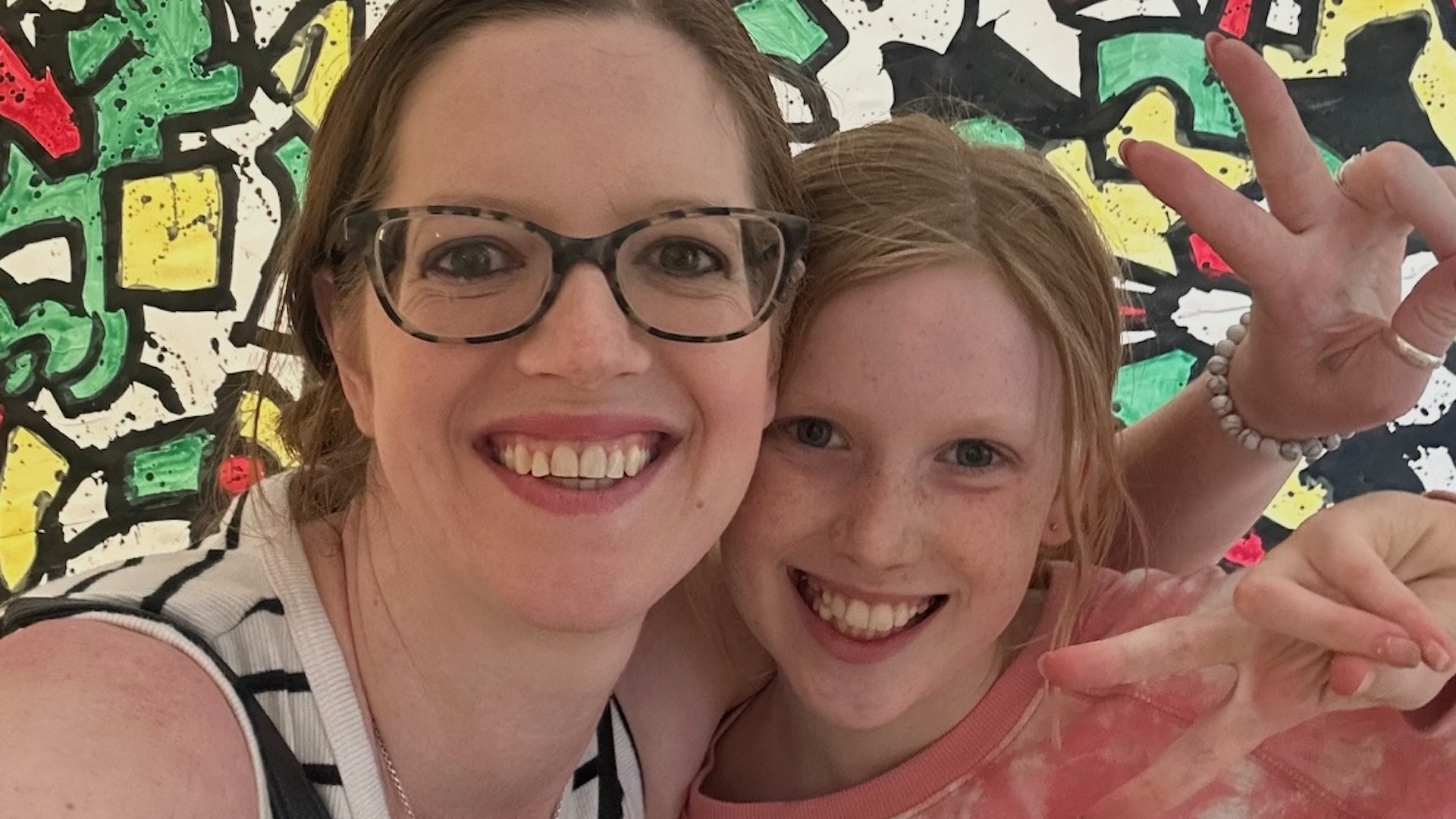
Sara Donnelly and her daughter Ava. Image: Supplied
Sara Donnelly is a former headteacher and mother of two children with SEND. Her daughter Ava, who is 10 and autistic, has been out of school since April because her mainstream setting caused her turmoil.
“A lot of her difficulties are sensory, so she’s very sensitive to noise, people’s tone of voice, smells, and you just can’t control that in a mainstream school. We reached the point where she was experiencing significant emotional distress,” Donnelly explains.
Around 92% of cases of emotionally-based school avoidance are children who are neurodivergent, according to a widely-cited study published in 2023.
Ava has now been awarded a place at a specialist school and is in a positive place and ready to return to school, but her mother feels that “the mainstream setting was significantly traumatic for her and had a lasting impact”.
A Department for Education spokesperson said: “These heartbreaking cases show why it’s so crucial we strengthen support for children with SEND and ensure families get help earlier and closer to home.
“We know too many parents are forced to fight for support, with rising demand meaning children’s needs can escalate to crisis point before help arrives. That is not good enough – and our reforms will mean more support for children, not less.”
Advertising helps fund Big Issue’s mission to end poverty
However, there remain fears that the reforms will not be enough to meet the scale of need.
Anna Bird, chair of the Disabled Children’s Partnership, says: “We want to see disabled children have the chance to learn and make friends in a nursery, school or college that’s safe and where staff understand their needs.
“Right now that very ordinary expectation is out of reach for too many young people. Parents have to sacrifice their jobs and physical and mental health to support their children because the SEND system has been allowed to fail in plain sight, potentially driving families into crisis and poverty.
“Reform must mean stronger support, earlier intervention, health, social care and education working together and enforceable rights. Anything less risks deepening the existing crisis and failing a further generation of children.”
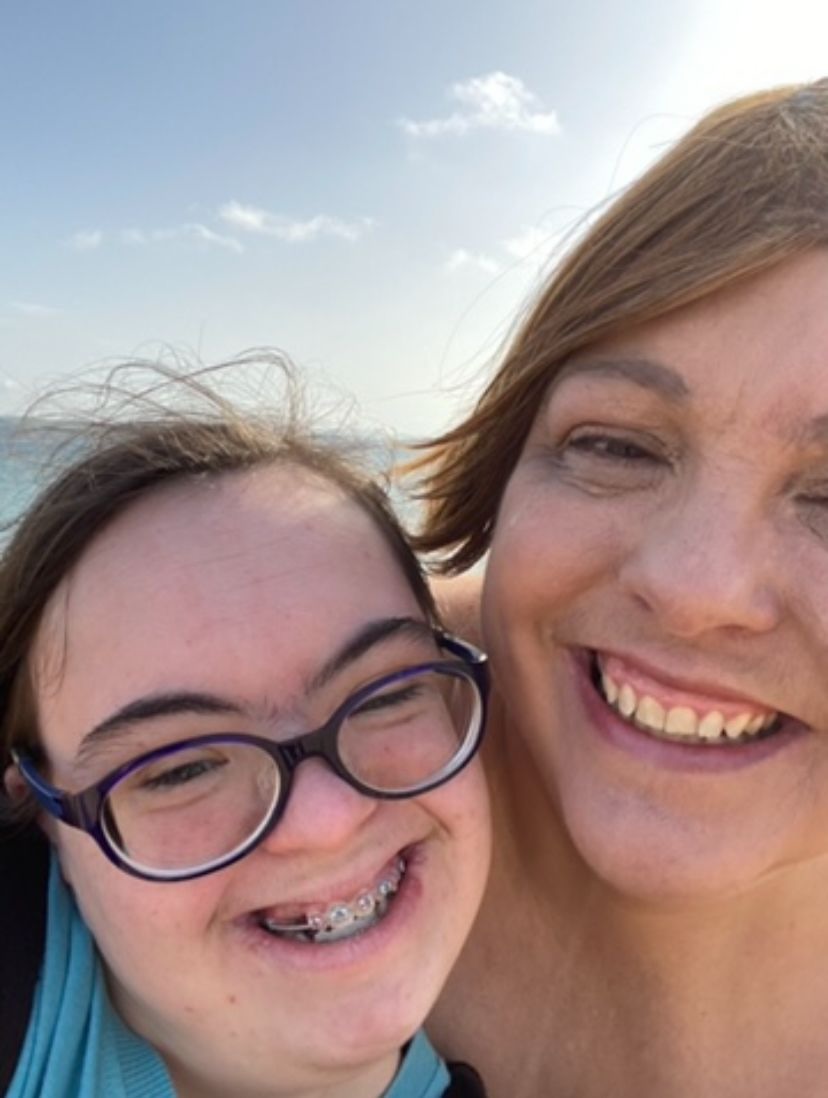
Sharon Smith and her daughter Tanzie. Image: Supplied
For some children with SEND, mainstream education is the right choice. Sharon Smith, policy and parliamentary lead at the Down’s Syndrome Association, felt that mainstream school was the best fit for her daughter Tanzie, who is now 21.
It is a journey that has not been without its challenges. Tanzie has faced “exclusion” and “segregation” since she was young, but she has also come to thrive. She has worked part-time in H&M for nearly three years and will be taking on a second part-time role at Nando’s when she leaves college this summer.
Advertising helps fund Big Issue’s mission to end poverty
ALLFIE, the Alliance for Inclusive Education, has campaigned for a “complete dismantling of the structural and systemic barriers that force disabled children and young people out of mainstream school”.
“We are demanding a white paper that ends seclusion, restraint and force, abolishes SEND units and removes all segregated provision that treat disabled children’s education less favourably,” says ALLFIE’s chairperson Navin Kikabhai and director Michelle Daley.
However, without significant reforms to mainstream schools, children with SEND will continue to struggle.
Elizabeth Padilla, mother of twins who are autistic. Image: Nicole Saunders
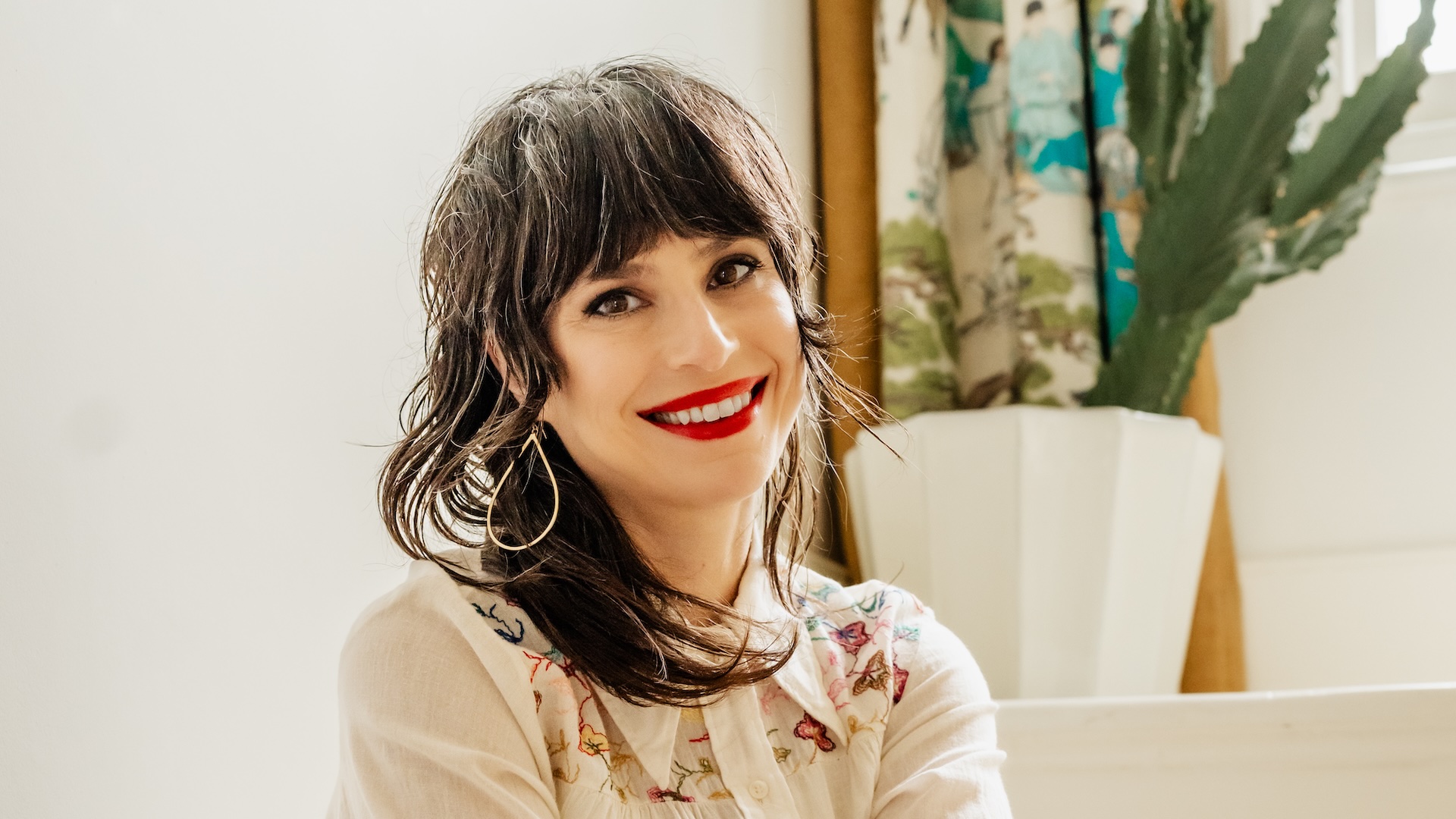
Elizabeth Padilla describes how her 13-year-old twins, both of whom have autism, were “throwing up at the gates of the school” because they were so anxious.
“It was hell. All our lives were hell. We were quite lucky that we weren’t getting threatened with fines for school absence. The school was pretty understanding in that sense, but we all knew that the school was not right. It just was not the right setting for them. They need a small, loving, caring setting,” Padilla says.
They were out of school for more than a year and Padilla had to take time away from work to care for them and fight for more support. She fears she may have to close her business, Hues Clothing, which sells sustainable and sensory-friendly kidswear.
Advertising helps fund Big Issue’s mission to end poverty
Padilla’s twins started at a new specialist school in January and she believes it has been “life-changing”.
Gee Eltringham, psychotherapist and the founder of parental support platform for SEND parents twigged, says: “However we dress it up, emotional-based school avoidance is a trauma response. I see it over and over again in my clinic. These are not children who don’t care about school – usually, they desperately want to go. They want to learn, to fit in, to have friends and a future.
“But for many neurodiverse children, school can feel like a relentless assault on their nervous system. It’s too noisy, too bright, too fast. Instructions are unclear. Transitions are overwhelming. What may look small to a neurotypical adult can feel like repeated micro-traumas to a neurodiverse child. Over time, that compound trauma builds until the child simply cannot walk through the school gates.”
Other parents described the emotional turmoil of having to send a child to a mainstream setting simply to prove it is not the right fit.
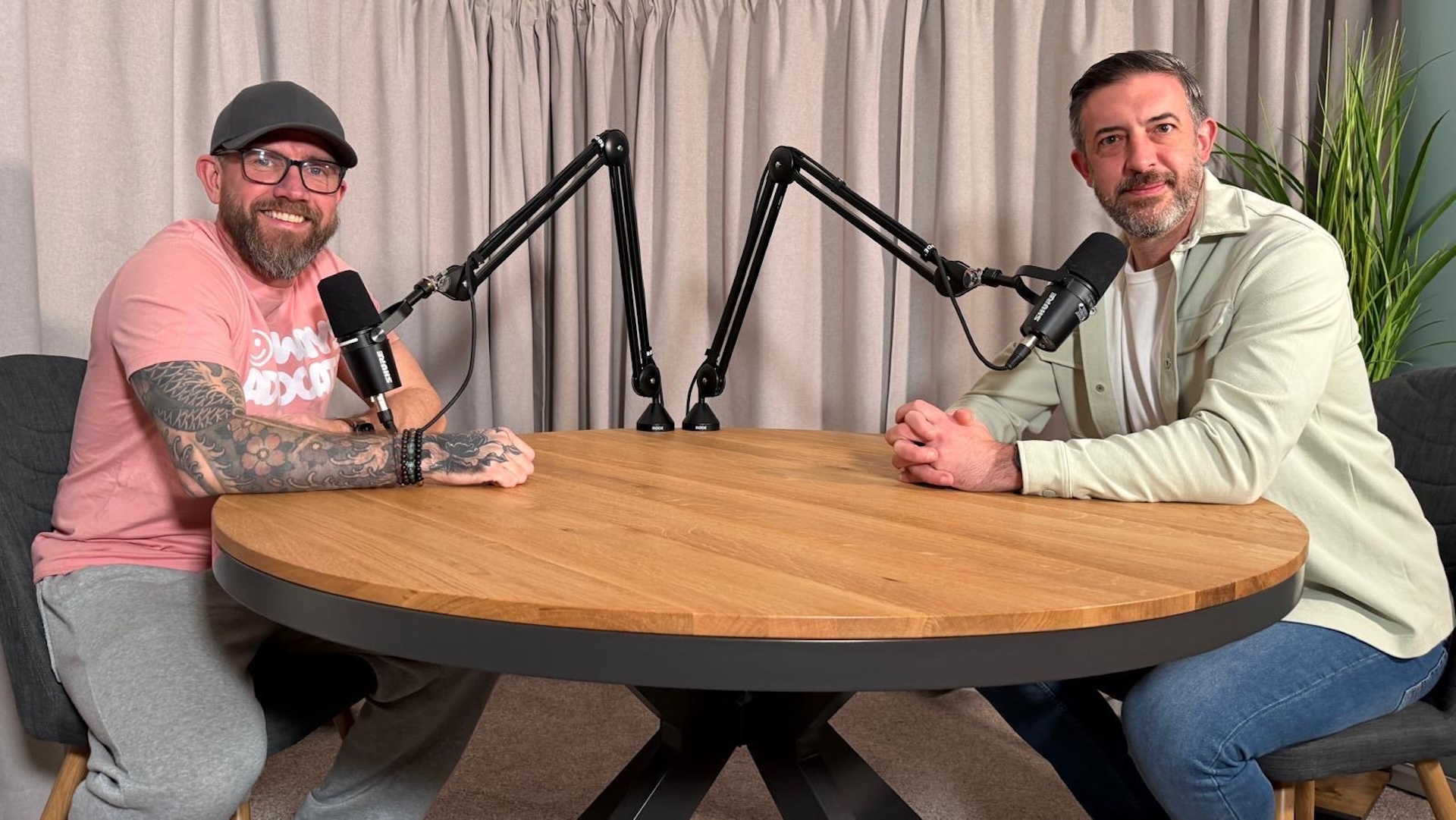
Gaz Hitchin and Andy Williams. Image: Autism Dadcast
Gaz Hitchin and Andy Williams, fathers who host Autism Dadcast and speak openly about their experiences with raising autistic children, describe how the early years are often a “particular struggle”. Both their children are profoundly autistic and non-verbal.
“You almost have to put your child up to fail to prove that something is going on. We put Thomas into a mainstream nursery knowing it wasn’t going to work,” Hitchin says.
Advertising helps fund Big Issue’s mission to end poverty
“You want to get the best support you can for your child, but the only way he’s going to get it is by putting him through a situation that he’s going to find extremely challenging. You’re putting him through hell and he can’t understand why.”
Psychotherapist Eltringham said structural change is needed – calmer corridors, more thoughtful timetables, different lesson designs – but she said that above all, children need emotional safety.
“Children who feel understood and heard are far less likely to reach crisis point. If we could create that emotional safety in our schools, we would see a profound reduction in emotional-based school avoidance,” she said.
There are believed to be thousands of children on waiting lists for specialist school places across the country, with ITV finding that more than 4,000 children were in this position in May 2024.
Fazilet Hadi, head of policy at Disability Rights UK, says: “Education is a right for all children and young people, yet so often young disabled people are badly failed by a system which is exclusionary and inaccessible.”
Hadi said she would like to see investment in “radical transformation that makes every school truly inclusive”, whether that be in leadership values, accessible buildings and information, or attitudes and curriculum.
Advertising helps fund Big Issue’s mission to end poverty
“This will be a long process and we cannot afford to defund additional provisions whilst mainstream settings remain inaccessible to many disabled children,” Hadi added.
There are particular concerns about the government’s plans for EHCPs. Although all of the families spoke about long waiting times for EHCPs and the challenges with accessing them, they also recognised the importance of these plans.
Legally, an EHCP process is only meant to take 20 weeks, but government data shows that fewer than half of new plans were issued within this timeframe in 2025. Some of the families who spoke to the Big Issue said they waited months.
While an EHCP should guarantee support, it does not always happen this way, with families accusing local authorities of “breaking the law” by not abiding by their child’s plan and refusing to provide support.
The Department for Education spokesperson says reforms will be designed to “strengthen support for children and ensure help is delivered earlier and more consistently”, adding that the government has committed to “unprecedented long-term investment”.
This includes £200 million to train teachers in SEND and at least £3 billion to create 50,000 new specialist places. “There will always be a legal right to additional support for children with SEND,” the spokesperson said.
Advertising helps fund Big Issue’s mission to end poverty
Yet almost a quarter (22%) of parents surveyed by Sense said their child’s school was not delivering the legally-binding support set out in their EHCP.
Hadi said that the government should retain the rights to EHCPs and make the process simpler and easier to use. She also suggested that it should go further by introducing a new-style plan for every disabled child with additional needs, embedding accountability for all.
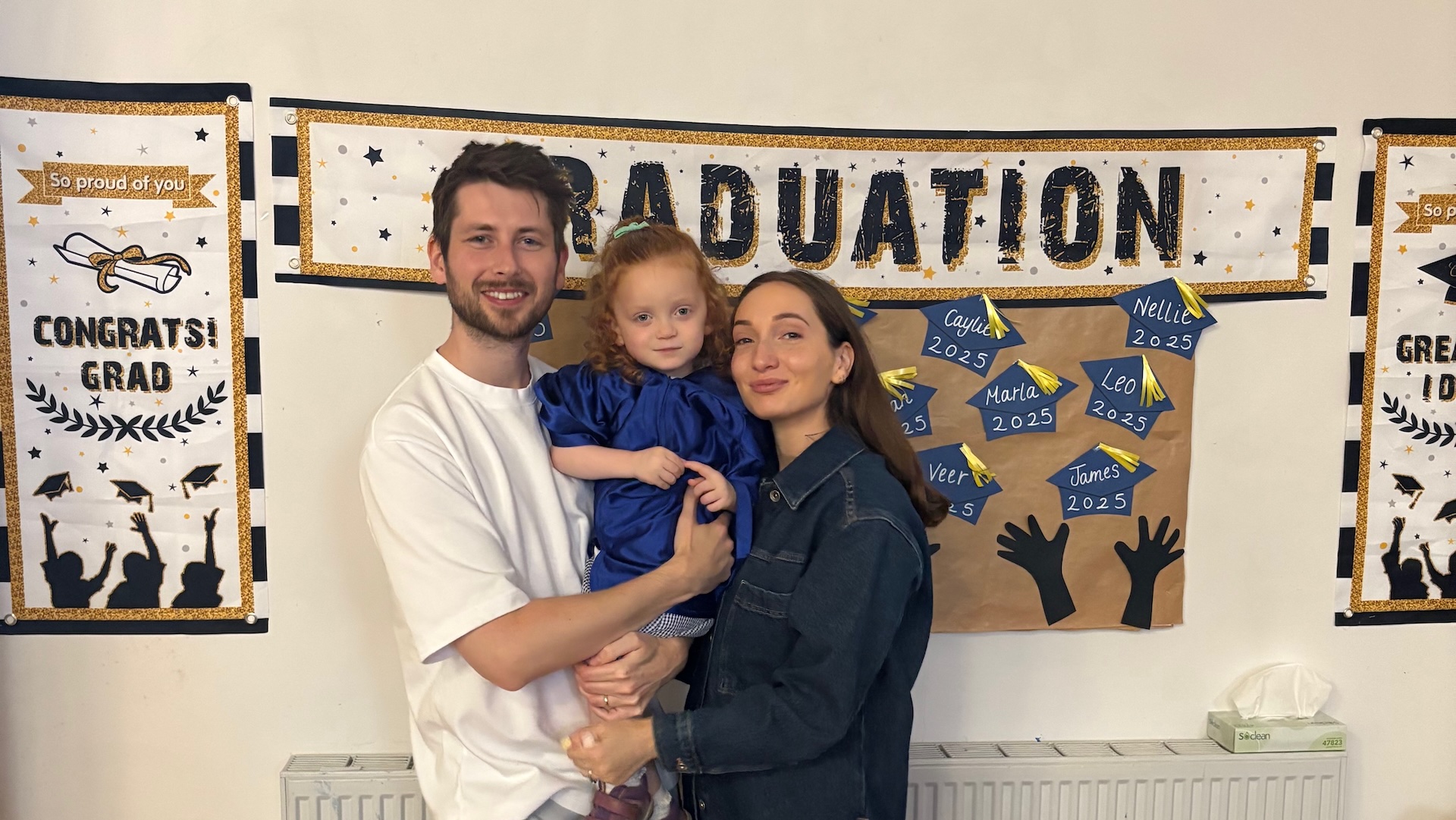
Gaby and David Boast and their daughter Nellie. Image: Supplied
Gaby Boast, parent to five-year-old Nellie, says: “When you have a child with additional needs, you have to become a lawyer, an advocate, a speech therapist, an occupational therapist, a carer.
“It shouldn’t be that people are having to get legal support to get what they are legally entitled to. An EHCP is legally-binding. I’ll never understand how money has been mismanaged so terribly that there is nothing for these children.”
A few of the parents, including Boast, expressed concern for those from marginalised backgrounds, who have disabilities and who are unable to afford to fight against the system.
“We have a nice family. We have a nice home. We have lots of support and it nearly killed us emotionally and financially. I can’t imagine how it would be for single-parent families or a parent who has a disability themselves. It’s impossible,” Boast says.
Advertising helps fund Big Issue’s mission to end poverty
Nellie was allocated a special school that was 45-minutes away, with transport paid for by the council, but her parents were concerned that she would have to get into a car with a stranger – as a five-year-old with significant health needs. Her cardiologist raised concerns that the anxiety would put pressure on her heart, as she has a heart defect.
It was a year-long battle before Nellie was confirmed to have a place at a local special school in September 2026. Until then, she will receive one-to-one support in a mainstream primary school.
“We did get a good outcome for Nellie, but we had to go through such a traumatic fight to get to that point. It was hell for us and such a stress for our family. It was such a cost. We got there eventually, but I know there are children out of education for years.”
Big Issue will publish the stories of these families in full as part of a series on the SEND system in the coming days and weeks leading up to the white paper.
Advertising helps fund Big Issue’s mission to end poverty
Buy from your local Big Issue vendor every week – and always take the magazine. It’s how vendors earn with dignity and how we fund our work to end poverty.