“Gas prices are currently rising faster than around the Ukraine war, but the policies the UK put in place to reduce reliance on gas and to diversify its supply should help reduce their impact,” said Alvis. “We are far less exposed to oil prices than other countries as our demand is lower, but it’s the secondary impacts – slowing global investment and rising inflation – that will bite.
“Food prices – which were already rising faster than inflation – could further increase due to many inputs, like fertiliser travel through the Strait of Hormuz.”
Alvis added that the price cap for energy bills will “keep prices flat for the quarter”. However, after the new cap comes into place in July, the outlook for energy prices is “highly uncertain”.
Keep reading the journalism that powers our mission
Register free to continue and learn more about the stories, campaigns and the support we provide, helping people facing poverty across the UK.
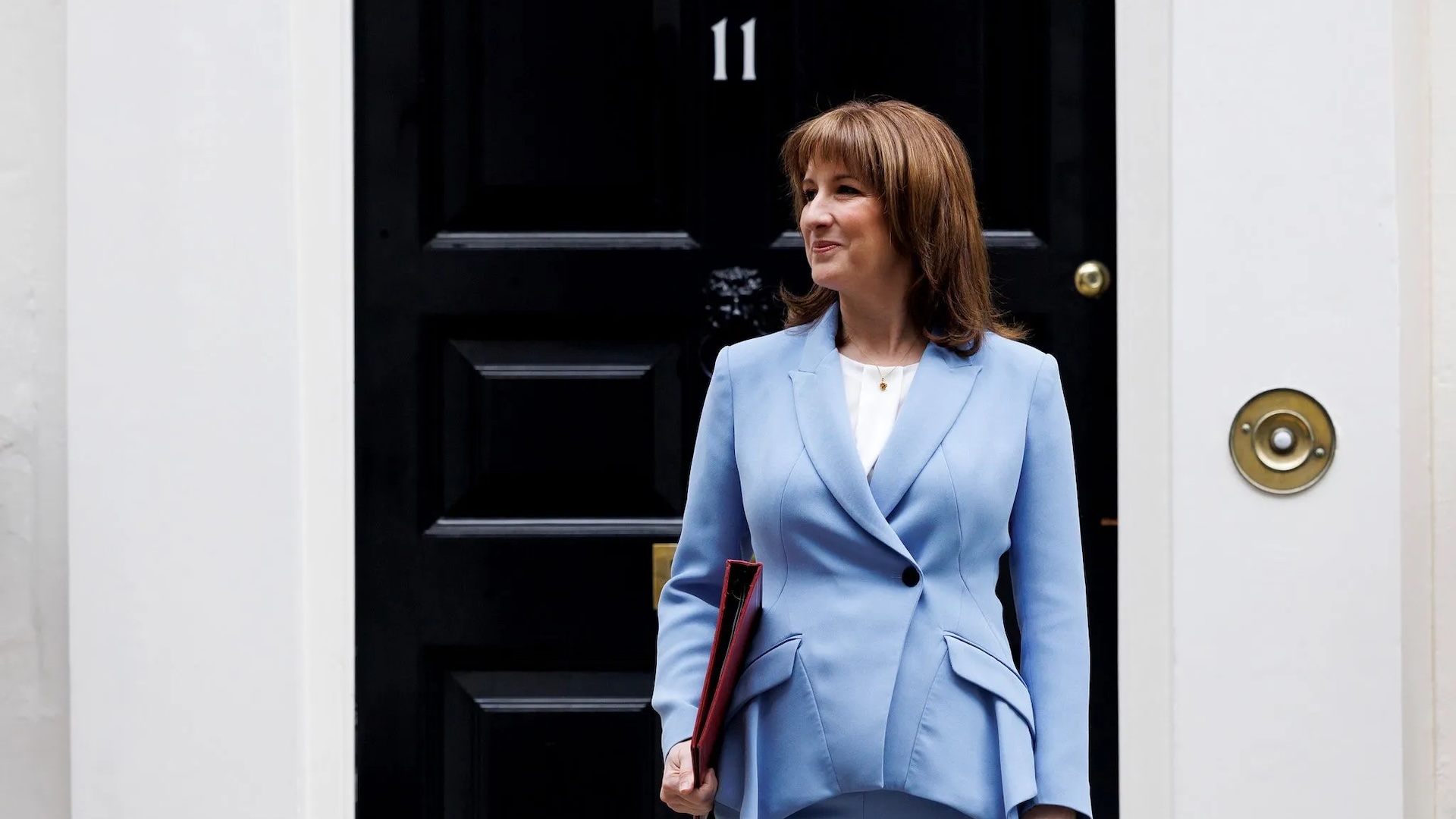
Describing Reeves’ statement as a “keep calm and carry on” message, Susannah Streeter, chief investment strategist at Wealth Club – a non-advisory investment service for high-wealth individuals – explained that her forecasts “don’t take into account the rapidly developing situation in the Middle East”.
“Even though Rachel Reeves championed forecasts of a further fall in inflation, there’s a clear and present danger of the price spiral taking off again due to escalating conflict with Iran,” said Streeter.
“The potential wiggle room identified in the OBR‘s latest projections also risks being swallowed up by the economic repercussions of war in the Middle East,” she added. “Hopes for an interest rate cut later this month are being dramatically scaled back due to the spike in energy prices.
“It means servicing the UK’s debt pile could prove more costly than current forecasts suggest.”
Shifting geopolitics create a ‘volatile’ economic environment
Dr Daniella Jenkins, executive director at the Women’s Budget Group (WBG), told Big Issue that falling inflation and lower energy bills will “bring some relief – especially for low-income families – and show that targeted action to bring down the cost of living works”.
“But the US and Israel’s military action in Iran and the escalating conflict make it only too real how shifting geopolitics continue to create a volatile external economic environment,” she continued.
“We are already seeing increased oil and gas prices, likely to drive up inflation and, therefore, the costs for everyday goods for us all. Now is the time for the chancellor to lay the groundwork for reforming the government’s fiscal framework to strengthen our social infrastructure and economy in the long term and shore up our resilience to such external shocks.
“Otherwise, we risk reversing back to debates about the size of a short term ‘fiscal gap’ while the foundations of our economy continue to buckle.”
Dr Jenkins explained that despite the positive Spring Statement, the reality for most Brits is a struggle, claiming that “only today we have seen food inflation increasing again”.
“NHS waiting lists, still at 7.29 million in England, continue to keep people out of work, and our broken social care system strips people of their independence,” she said. “Recent IPPR research shows a decline in healthy life expectancy. Expensive childcare continues to stretch many families’ budgets too far and pushes women out of the labour market or into debt. With an aging population, the cost of inaction will only grow.”
Do you have a story to tell or opinions to share about this? Get in touch and tell us more.
Change a vendor’s life this winter.
Buy from your local Big Issue vendor every week – and always take the magazine. It’s how vendors earn with dignity and how we fund our work to end poverty.
You can also support online with a vendor support kit or a magazine subscription. Thank you for standing with Big Issue vendors.