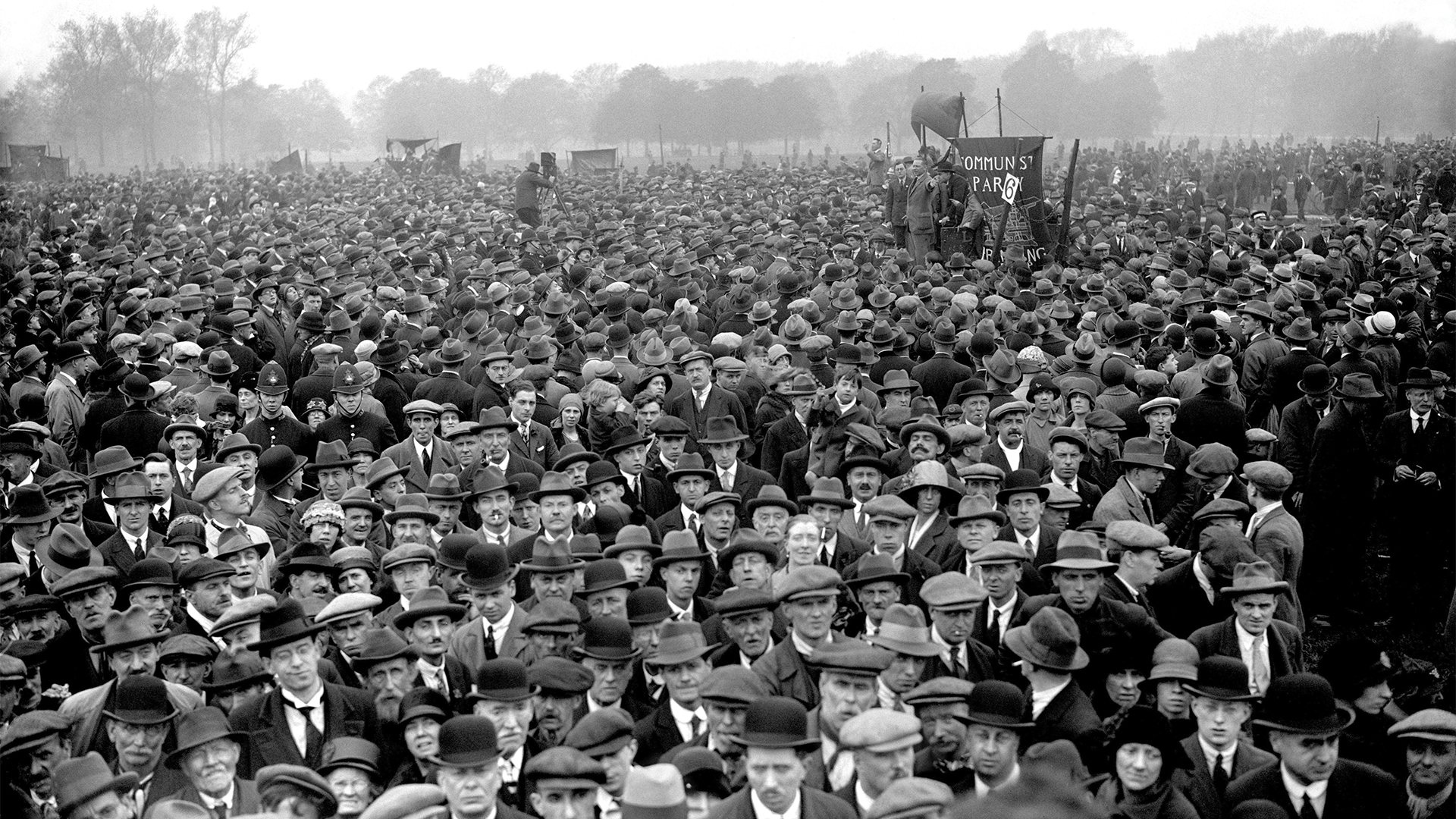
The legal position of the strike itself was ambiguous. There were arguments on the floor of the House of Commons about whether it was a “legitimate trade dispute” or a political action. Many on the Tory right wanted to explicitly ban the strike while it was happening.
A short bill was drafted but scrapped after the prime minister Stanley Baldwin was advised that passing it would cause the situation in the country, already febrile, to become explosive.
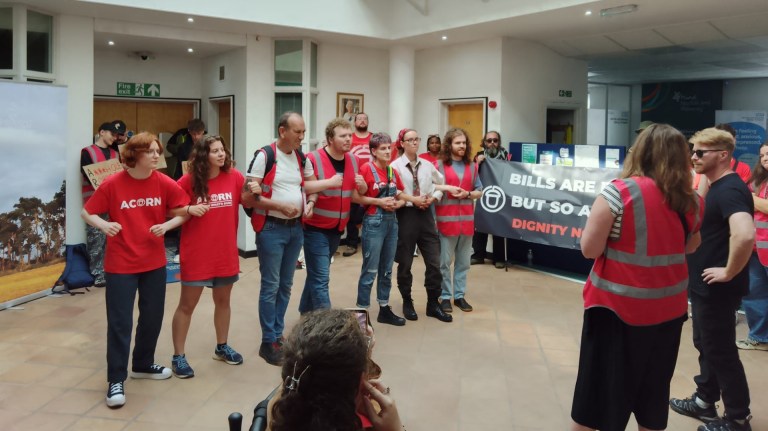
Despite the passage of the Employment Rights Act, we still have some of the most restrictive anti-union legislation in Europe. Some of this can be traced back to the Trade Disputes and Trade Unions Act 1927, passed in the aftermath of the strike, which effectively banned secondary action. Our modern anti-protest laws are, if anything, even more restrictive than the old Emergency Powers Act. Baldwin would have baulked at the use of anti-terrorism law against peaceful protesters.
Keep reading the journalism that powers our mission
Register free to continue and learn more about the stories, campaigns and the support we provide, helping people facing poverty across the UK.
Read more:
As the days of the strike wore on and the government’s emergency tactics kicked into gear, the unions began looking for a way out. Most of their leaders saw the strike as simply a means to get back round the negotiating table with the government. They were afraid of their organisations’ latent power and had almost immediately established backchannels for unofficial talks.
When the eminent Liberal politician Sir Herbert Samuel appeared to offer a compromise formula, they jumped at the chance to call the strike off. Samuel, however, was not acting in any official capacity. The miners rejected his suggestions and the government ignored them. There followed months of a bitter lockout in the coalfields, the collective memory of which is still felt to this day.
Advertising helps fund Big Issue’s mission to end poverty
After the strike’s apparent failure, ‘never again’ became a mantra in both the corridors of power and in the labour movement. The years that followed saw a decline in industrial action and a turn towards partnership that laid the foundations for the post-1945 settlement.
But the idea of the general strike has stubbornly refused to die since 1926. In 1972, five London dockers were jailed for defying an anti-picketing law. The TUC was pushed to call for a ‘day of action’ for their release – a general strike in all but name. The mere threat of this was successful, the dockers were released and Ted Heath’s Industrial Relations Act was dead in the water. During the great Miners’
Strike of 1984-85, there were numerous calls for a general strike, which the TUC resisted.
More recently there have been huge set-piece strikes in which different unions collaborated, like during the public sector pensions dispute in 2011. In March 2023, about half a million civil servants, teachers and tube workers coordinated a one-day strike. Periodically, the slogan of the General Strike was raised at the TUC as a response to coalition and Tory austerity but not acted on.
Were a general strike to occur in today’s Britain it would look very different. Mining as an industry has nearly died out; there were one million coalminers in 1926 and there are now fewer than 300. Teachers, doctors and nurses have been at the forefront of industrial action in recent years. In 1926 these professional occupations would not have dreamed of joining the action. The centre of gravity of the trade union movement has shifted, with the economy, to white-collar work.
But workers in transport and logistics still play as crucial a role as ever, perhaps more so with the rise of international supply chains and online retail. There are a few hundred dockers in the Port of Liverpool today as opposed to tens of thousands in the early-20th century, yet they handle around 30 million tonnes of cargo each year.
The latent power of such workforces is immense. A general strike today would have to rely on a realisation of this power, on solidarity between blue- and white-collar workers, and on a rediscovery of the defiant confidence of 1926.
Advertising helps fund Big Issue’s mission to end poverty
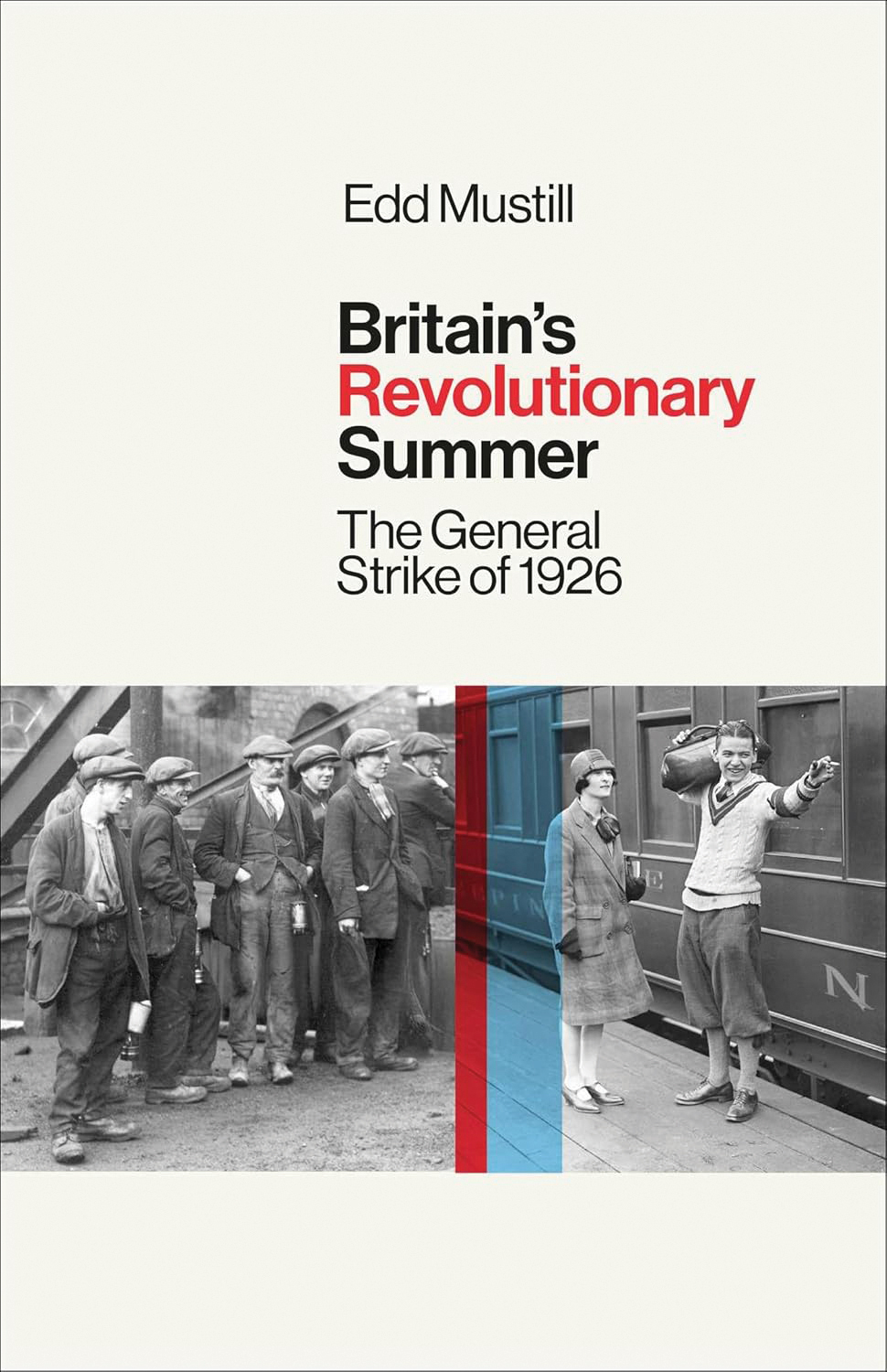
Britain’s Revolutionary Summer: The General Strike of 1926 by Edd Mustill is out now (Oneworld Publications, £16.99). You can buy it from the Big Issue shop on bookshop.org, which helps to support Big Issue and independent bookshops.
Do you have a story to tell or opinions to share about this? Get in touch and tell us more.
Change a vendor’s life.
Buy from your local Big Issue vendor every week – and always take the magazine. It’s how vendors earn with dignity and move forward.
You can also support online:
Subscribe to the magazine or support our work with a monthly gift. Your support helps vendors earn, learn and thrive while strengthening our frontline services.
Thank you for standing with Big Issue vendors.
Advertising helps fund Big Issue’s mission to end poverty